
24/7 Customer Support

Free returns

Same-day & Next-day Delivery

Quality Guaranteed

Unlock Your Welcome Offers: FREE Delivery | Up to 80% OFF | Free 30-day JoyPlus trial
Download the APP
Shopping for Chaoshan food products online can be confusing. Product names may be translated in different ways, regional flavours can vary considerably, and attractive packaging does not always explain how an ingredient should be used. For UK households, delivery size, storage requirements and allergen information also matter as much as flavour.
This guide explains the main buying pitfalls and the product details worth checking before choosing Chaoshan sauces, Chinese condiments, ready-to-eat Chinese snacks or wider Chinese cooking ingredients.
Chaoshan cuisine is not defined only by chilli. Some products are savoury, fermented, sweet, garlicky or lightly sour. A sauce described as spicy may still be suitable for dipping, while a fermented bean paste can deliver more saltiness than heat.
Check the ingredient list and serving suggestions rather than relying on words such as “traditional” or “authentic”. For example, a sweet and spicy sauce lists sugar, chilli, rice vinegar and garlic, while a Puning bean paste is based on soybean, wheat flour, water and salt.
Condiments are normally used in small quantities, but their nutritional values can differ significantly. The listed Puning bean paste contains 15g of salt per 100g, while the Chaoshan sweet and spicy sauce lists 30g of sugars per 100g. These figures do not indicate how much you will eat in one serving, but they are useful for portion planning.
Also look for preservatives, acidity regulators, sweeteners and flavour enhancers. This is particularly important if you are buying products for family meals or need to avoid specific additives.
A large bottle or multi-pack may reduce the frequency of reordering, but it can be wasteful if the product is used occasionally. Check whether it needs refrigeration after opening and how quickly it should be consumed.
For example, the 1-litre coconut water should be refrigerated after opening and consumed within seven days. Garlic crisps should be kept sealed in a cool, dry place and used soon after opening to retain their texture.
Read the full ingredient panel, especially when buying Chinese condiments or fermented products. The Puning bean paste contains soy and gluten from wheat, while the spicy ready-to-eat vegetable product lists sulphites as an allergen. Cashews are clearly identified as a nut allergen in the salted cashew product.
UK food labelling rules require allergens to be emphasised where they are present, but you should still check the current product packaging before consumption because formulations and packaging can change.
Compare pack sizes according to how you plan to cook:
A product described as ready to eat does not necessarily mean it is a complete meal. Pickled vegetables, mushrooms and radish are generally more useful as side dishes, appetisers or meal accompaniments.
Check whether a product is shelf-stable before opening and whether it requires refrigeration afterwards. Pay attention to salt, sugar, fat and allergen details, not only the front-of-pack flavour description.
For drinks, coconut water and coconut milk serve different purposes. Coconut water is a ready-to-drink beverage; coconut milk is an ingredient for curries, soups, sauces and desserts. A 165ml tin of coconut milk contains coconut extract and water, making it a portion-sized option for recipes that do not require a full tin.
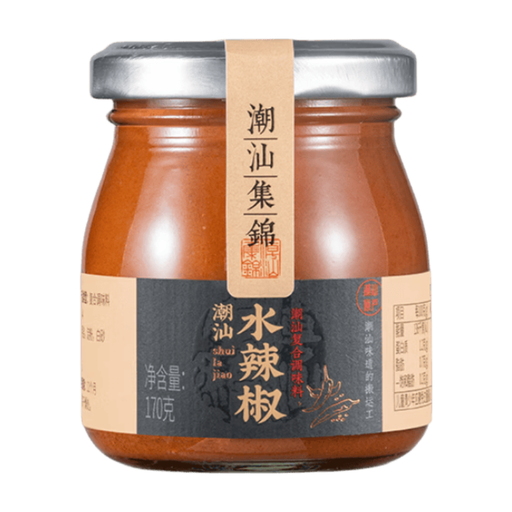
Why This Fits Their Persona: A 170g bottle provides an accessible way to try Chaoshan chilli sauce with noodles, stir-fries or dipping dishes before buying larger quantities.
The ingredient list identifies 41% chilli and gives a salt value of 5g per 100g, helping shoppers assess flavour and portion use.
Ready to eat; suitable for dipping, noodles and stir-frying; refrigerate after opening.
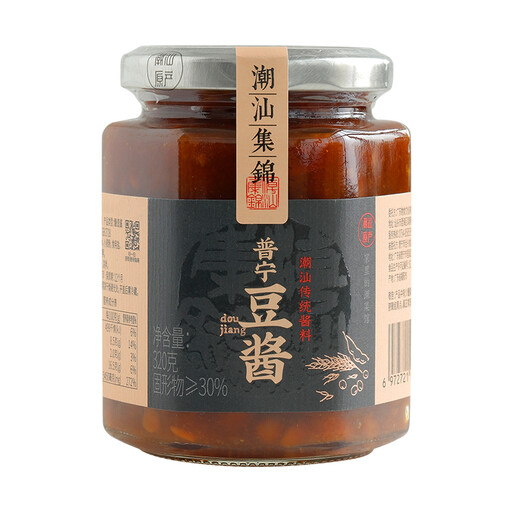
Why This Fits Their Persona: Suitable for cooks who want a fermented soybean paste for seafood, vegetables, marinades and braised dishes.
Its soybean and wheat ingredients, allergen information and high salt value are stated clearly, so it is easier to plan portions and substitutions.
320g quantity; usable as a dip, marinade or stir-fry seasoning; refrigerate after opening.
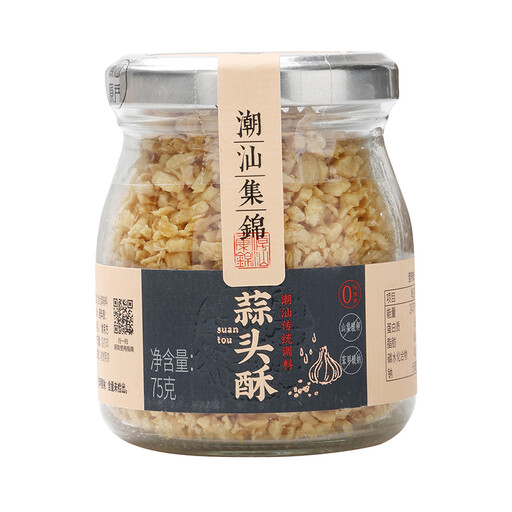
Why This Fits Their Persona: A practical finishing ingredient for frequent noodle, soup, congee, rice and stir-fry preparation.
The pack explains that it is ready to use and gives straightforward storage advice, avoiding the need for additional preparation.
Garlic, vegetable oil and salt only; 75g pack; adds a crisp topping without frying garlic at home.
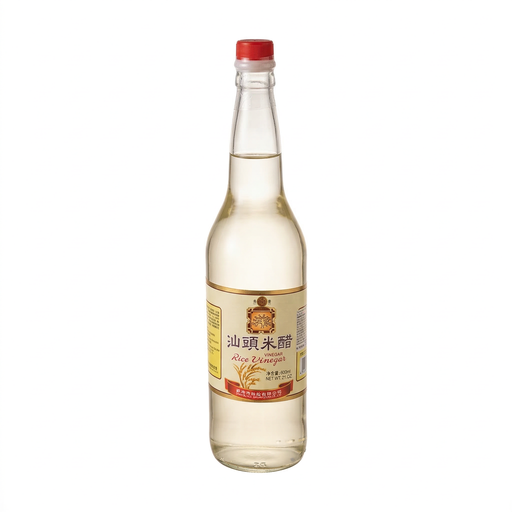
Why This Fits Their Persona: A larger bottle works for households using rice vinegar in dipping sauces, cold dishes, marinades and everyday cooking.
The 600ml size and stated uses make its intended frequency clear, while the rice content and nutrition panel support more informed comparison.
Ready-to-use rice vinegar; suitable for dipping, marinating and cold dishes; refrigeration recommended after opening.
We have compiled a complete, real-time list of products that fully satisfy these strict selection criteria and UK safety regulations.
They include regional condiments, fermented pastes, pickled vegetables, rice vinegar, garlic toppings, snacks and drinks associated with Chaoshan and the wider Teochew culinary tradition. Products can be used for dipping, seasoning, appetisers or everyday Chinese-inspired cooking.
Not necessarily. Heat depends on the recipe and chilli percentage. Sweet chilli sauce combines sugar, rice vinegar and garlic with chilli, while Puning bean paste is primarily savoury and fermented. Always read the ingredients and serving guidance before buying.
Follow the individual label. Many sauces and pastes should be refrigerated after opening, while unopened products may be stored in a cool, dry place. Garlic crisps should remain sealed and dry, and coconut water should be refrigerated after opening and consumed within the stated period.