
24/7 Customer Support

Free returns

Same-day & Next-day Delivery

Quality Guaranteed

Unlock Your Welcome Offers: FREE Delivery | Up to 80% OFF | Free 30-day JoyPlus trial
Download the APP
Choosing Chardonnay wine should be straightforward, yet supermarket shelves and online listings can make a simple white wine purchase surprisingly confusing. Descriptions such as “creamy”, “oak-aged” and “fresh” can mean very different drinking experiences, while bottle size, alcohol content and dietary information are not always compared clearly.
Before you buy Chardonnay wine, watch for three common traps:
A crisp Chardonnay typically has noticeable acidity and flavours such as lemon, grapefruit, green apple or pear. It is suitable for lighter meals, seafood, salads and warm-weather drinking.
A creamy Chardonnay usually has a softer mouthfeel, with ripe peach, melon, vanilla, toast or subtle oak. This style can work well with roast chicken, creamy pasta and richer fish dishes.
Terms such as “no oak” or “oak-aged” are useful indicators, but they do not tell the entire story. Stainless-steel fermentation tends to preserve freshness, while oak or malolactic fermentation can add texture and rounded flavours. If you prefer a refreshing white wine, prioritise acidity and citrus notes. For a fuller glass, look for stone fruit, vanilla and creamy texture.
Most Chardonnay 75cl bottles contain around 10.5% to 14.1% ABV in the selection available here. A standard 750ml bottle can therefore contain approximately 7.9 to 10.6 UK units, depending on its strength.
The UK Chief Medical Officers advise adults not to regularly exceed 14 units per week. A small 187ml bottle or can may be practical when you want to avoid opening a full bottle, while a 75cl bottle is more suitable for dinner parties or sharing.
Always check the product label for the current ABV and unit information. Do not drink during pregnancy, and never drink and drive.
Wine commonly contains sulphites, which must be declared when present above the applicable threshold. If you have a sensitivity or allergy, read the packaging carefully.
For vegan Chardonnay, look for an explicit vegan statement rather than assuming that all wine is suitable. Fining agents used during production can vary. For an alcohol-free Chardonnay, check both the alcohol percentage and the product description. McGuigan Zero Chardonnay is listed at 0.0% ABV, but it still contains sulphites and other listed ingredients, so the label should be reviewed before purchase.
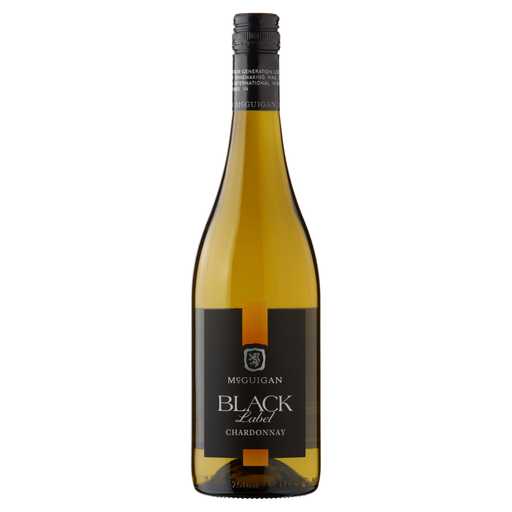
Why This Fits Their Persona: A practical Australian Chardonnay for everyday meals, casual entertaining or keeping chilled for an unplanned gathering.
Its listed profile clearly identifies peach, melon, vanilla, oak and bright acidity, making the style easier to judge than relying on vague “smooth” wording.
75cl bottle; 11.0% ABV; suitable for seafood, creamy pasta and roasted poultry; contains clearly declared sulphites.
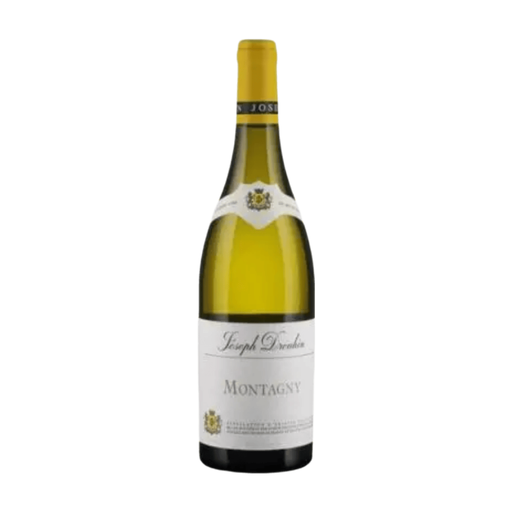
Why This Fits Their Persona: A French Chardonnay for diners who want a more structured bottle for a dinner table, seafood course or gift.
The listing provides a defined regional origin, serving guidance and a flavour description combining lemon, pear, almond and minerality.
100% Chardonnay; 13.0% ABV; listed for grilled fish, shellfish, roast chicken and creamy pasta.
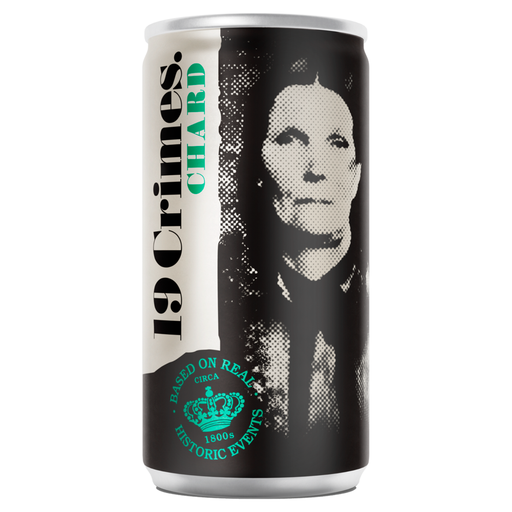
Why This Fits Their Persona: A compact can for picnics, festivals, single servings and occasions where carrying or opening a full bottle is inconvenient.
The 187ml format makes the serving size clear, helping shoppers avoid buying more wine than they intend to consume.
10.5% ABV; listed at two UK units per can; suitable for vegetarians and vegans; portable packaging.
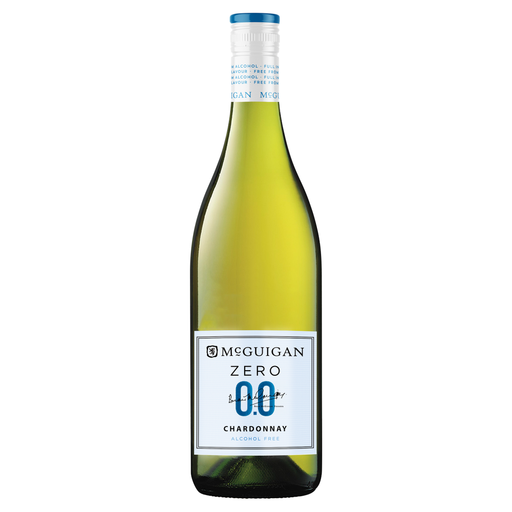
Why This Fits Their Persona: A 75cl option for drivers, alcohol-free occasions, weekday meals or guests who prefer to avoid alcohol.
The listing states 0.0% ABV and identifies it as suitable for vegans, rather than leaving dietary suitability to assumption.
0.0% ABV; vegan suitable; listed with peach, nectarine, melon and vanilla notes; refrigerate after opening.
Serve most Chardonnay lightly chilled, usually between 8°C and 12°C, depending on its body and oak character. Very cold wine can mute aromas, while warm white wine may seem overly alcoholic or flat.
Useful Chardonnay food pairing ideas include:
Once opened, reseal and refrigerate the bottle. Many white wines are most enjoyable within a few days. Store unopened bottles away from direct sunlight and heat.
We have compiled a complete, real-time list of products that fully satisfy these strict selection criteria and UK safety regulations.
No. Chardonnay can be dry, crisp and citrus-led, or fuller and fruitier with peach, melon and vanilla flavours. Check the tasting description and carbohydrate or sugar information where available.
A 75cl bottle generally provides around six 125ml glasses. The exact number depends on pouring size. Check the ABV and listed unit information before serving.
It can. Vegan suitability refers to production methods and ingredients, while sulphites are a separate labelling consideration. Always check both statements on the product page and physical bottle.