
24/7 Customer Support

Free returns

Same-day & Next-day Delivery

Quality Guaranteed

Unlock Your Welcome Offers: FREE Delivery | Up to 80% OFF | Free 30-day JoyPlus trial
Download the APP
A Chardonnay wine case deal can be a practical way to stock up for dinner parties, celebrations, gifting or relaxed evenings at home. Buying several bottles at once may also reduce the need for repeat deliveries. However, attractive case pricing does not automatically mean the wine suits your preferences or your occasion.
Before you buy a Chardonnay case, check the bottle size, country of origin, alcohol content, flavour profile and storage guidance. These details help prevent common mistakes such as ordering a mixed Chardonnay case when you wanted one consistent style, or paying for full-size bottles when smaller formats would be more suitable.
Chardonnay is a versatile grape variety, but the finished wine can differ considerably. Australian Chardonnay may offer ripe peach, melon, vanilla and creamy oak notes, while a French Chardonnay can lean towards citrus, mineral freshness and lighter texture. Chilean Chardonnay may combine citrus fruit, green apple, stone fruit and refreshing acidity.
Country of origin is not a guarantee of taste, so read the product description carefully. Look for terms such as crisp, mineral, creamy, oaked, full-bodied or fruit-forward.
Most standard wine bottles hold 75cl, but some listings include 187ml cans or bottles. A smaller format can work well for picnics, individual servings and occasions where an opened bottle may not be finished. It does not, however, provide the same volume as a 75cl Chardonnay bottle.
Check both the number of units and the net quantity per unit before comparing the apparent saving. This is particularly important when searching for Chardonnay wine delivery for a gathering.
A 75cl bottle at 13% ABV contains approximately 9.75 UK units, while a 12.5% bottle contains around 9.4 units. Lower-ABV options may contain fewer units per bottle, but the exact figure should be checked on the product page or packaging.
Wine commonly contains sulphites, which must be declared as an allergen when present above the relevant legal threshold. Vegetarian and vegan suitability can also vary between wines, depending on production methods and fining agents. Always check the label if this matters to you.
For regular home drinking or entertaining, a case of 75cl bottles is generally easier to compare and serve. A six-bottle case can suit smaller households, while a larger case may be more practical for frequent hosting. The available quantity varies by listing, so check the product specification rather than relying only on the word “case”.
For outdoor events or controlled portions, 187ml formats are more compact. They are also useful when you want to avoid storing an opened bottle, although the cost per litre may differ.
Use the tasting notes to match the wine with the way you plan to drink it:
Serving temperature matters too. Many white wines are more expressive when chilled, but over-chilling can reduce aroma. Follow the producer’s guidance where it is provided.
Store unopened bottles in a cool, dark place away from direct sunlight and temperature fluctuations. Once opened, reseal and refrigerate where appropriate, then follow the product guidance for consumption.
For Chardonnay wine delivery, check the expected dispatch and delivery window before ordering for a birthday, dinner or bank-holiday gathering. Alcohol purchases in the UK are restricted to adults aged 18 and over, and delivery services may require age verification.
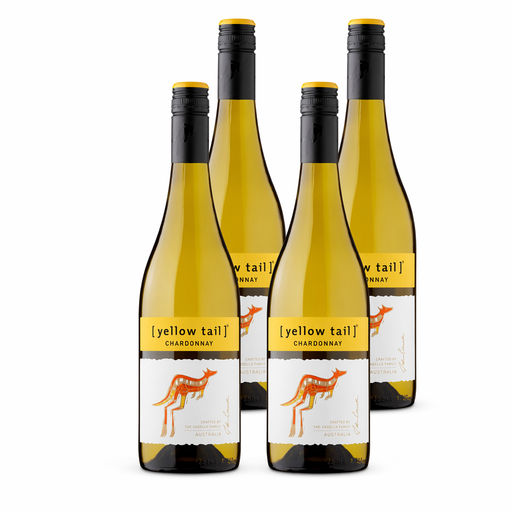
Why This Fits Their Persona: Six clearly stated 75cl bottles provide a straightforward option for shoppers comparing a familiar Australian Chardonnay case for home use, casual hosting or gifting.
The listing makes the full bottle size and case quantity visible, reducing confusion with miniature formats. The description highlights peach, melon and vanilla notes.
Six 750ml bottles; 13% ABV; suitable for vegetarian and vegan shoppers according to the supplied product information.
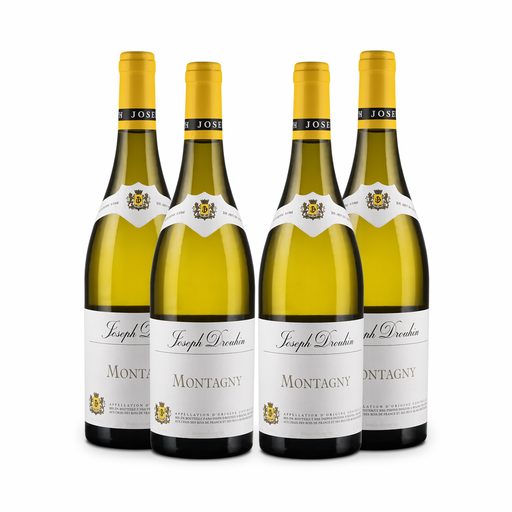
Why This Fits Their Persona: This French Burgundy Chardonnay suits shoppers looking for a more structured bottle for a dinner, celebration or considered gift.
The regional appellation and stated 75cl format provide clearer information than vague premium wording. Its listed profile includes lemon zest, pear, white flowers and minerality.
French Burgundy origin; 13% ABV; recommended serving range of 10–12°C in the supplied details.
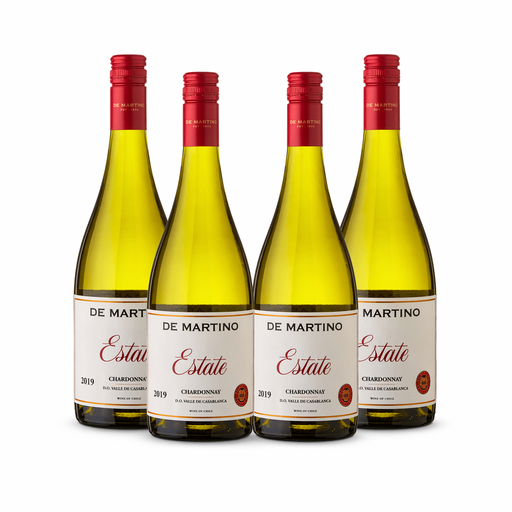
Why This Fits Their Persona: A Chilean 75cl Chardonnay for shoppers who regularly serve seafood, creamy pasta, fried chicken or Asian-inspired dishes and want bottles suitable for different meals.
The product information identifies the grape variety, country of origin, ABV and sulphite allergen, helping buyers assess the bottle beyond promotional language.
100% Chardonnay grapes; 13% ABV; listed as suitable for vegans and vegetarians.
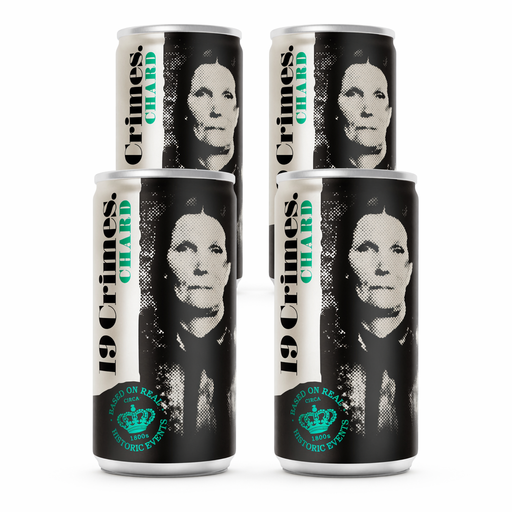
Why This Fits Their Persona: The 187ml format is suited to picnics, festivals, individual servings and shoppers who prefer not to open a full bottle.
The smaller net quantity is clearly identified, avoiding the common mistake of assuming every Chardonnay wine case contains 75cl bottles.
187ml serving format; 10.5% ABV; suitable for vegetarian and vegan shoppers according to the supplied details.
We have compiled a complete, real-time list of products that fully satisfy these strict selection criteria and UK safety regulations.
It can offer better convenience and may provide a lower price per bottle, but this depends on the listing, delivery charge, bottle size and any promotion. Divide the total cost by the number of bottles, then compare the volume as well as the headline price.
Keep unopened bottles upright in a cool, dark place away from heat, sunlight and temperature changes. Follow the product label for specific guidance. Once opened, reseal and refrigerate where appropriate, then consume within the stated period.
A 75cl bottle at 13% ABV contains approximately 9.75 UK units. A bottle at 12.5% ABV contains approximately 9.4 units. Check the product listing and packaging, and drink responsibly.