
24/7 Customer Support

Free returns

Same-day & Next-day Delivery

Quality Guaranteed

Unlock Your Welcome Offers: FREE Delivery | Up to 80% OFF | Free 30-day JoyPlus trial
Download the APP
Buying Chardonnay wine online should be straightforward, but product descriptions can make similar bottles sound completely different. Terms such as “rich”, “smooth” and “premium” may not tell you whether a wine is dry, buttery, oak-influenced or suitable for your dietary requirements.
There are also a few common buying traps:
Chardonnay is a versatile grape that can produce a wide range of styles. For a dry white wine, look for descriptions such as “crisp”, “fresh”, “mineral”, “citrus-led” or “bright acidity”. These terms usually indicate a refreshing style rather than a sweet one, although the label remains the most reliable source.
A buttery Chardonnay generally has a rounder texture, with notes such as vanilla, cream, toast, almond or shortbread. Oak maturation and malolactic fermentation can contribute to this character. If you prefer a lighter style, look for “unoaked”, “stainless steel”, “crisp” or “clean finish”.
Fruit descriptions such as peach, pear, melon and pineapple are useful for comparing styles, but they describe perceived aromas and flavours rather than added fruit or sugar.
Origin is a helpful starting point, but climate and winemaking choices matter too.
For practical Chardonnay food pairing, match the wine’s weight with the dish. Creamy or oak-influenced Chardonnay can stand up to sauces and roasted poultry, while a crisp dry white wine is usually more suitable for prawns, salads and lightly seasoned fish.
A standard white wine 75cl bottle contains approximately six 125ml glasses, although serving sizes vary. Smaller bottles, such as 187ml, offer around one and a half standard 125ml servings and can reduce opened-wine waste.
Check the ABV before ordering. For example, an 11% 75cl bottle contains about 8.25 UK units, while a 13% bottle contains about 9.75 units. The exact figure should be confirmed on the product label.
For vegan shoppers, select products explicitly marked suitable for vegans. Many wines contain sulphur dioxide or sulphites as preservatives, so review the allergen information. A non-alcoholic Chardonnay should also be checked carefully: McGuigan Zero Chardonnay is listed at 0.0% ABV and contains no more than 0.05% alcohol by volume according to the supplied product information.
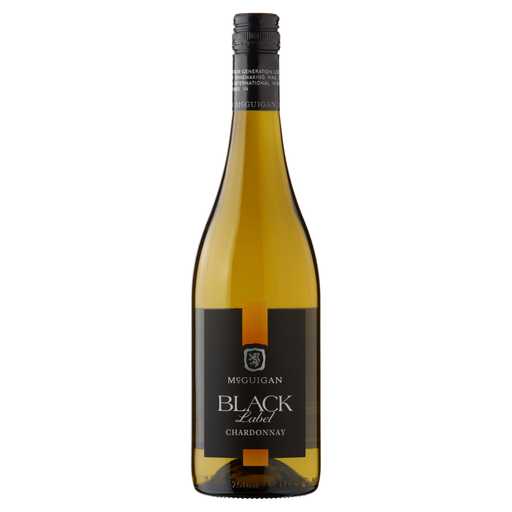
Why This Fits Their Persona: A full-size Australian bottle for shoppers wanting an approachable everyday option for meals or relaxed drinking at home.
The listing states the bottle size, 11.0% ABV, calories and sulphite allergen, helping buyers compare practical details rather than relying on flavour language alone.
Peach, melon, vanilla and oak notes; listed for seafood, creamy pasta and roasted poultry.
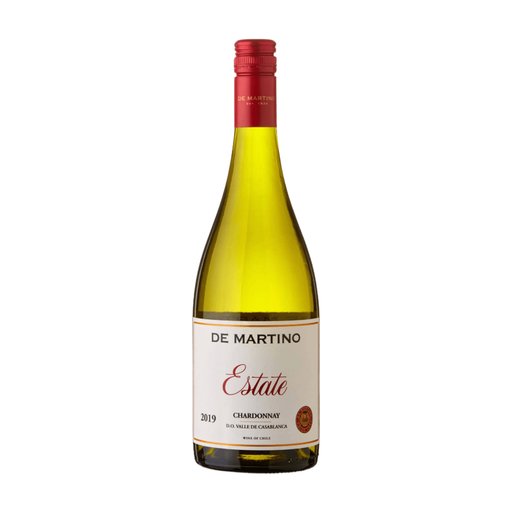
Why This Fits Their Persona: A Chilean option for diners and gift shoppers who prefer fresh acidity, mineral character and a more structured white wine.
The listing identifies the grape, 13.0% ABV, vegan suitability and sulphite allergen, making key selection points visible before purchase.
Citrus, green apple, pear and white peach notes; suitable for vegan shoppers.
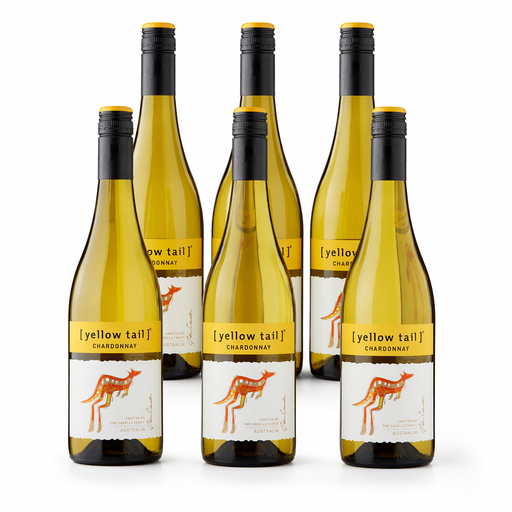
Why This Fits Their Persona: A case format for hosts, regular wine drinkers and anyone planning several meals or gatherings.
The case format is clearly identified, while the listing provides 13% ABV, approximately 9.8 units per bottle and vegan suitability.
Australian peach, melon and vanilla character; practical for repeated Chardonnay food pairing.
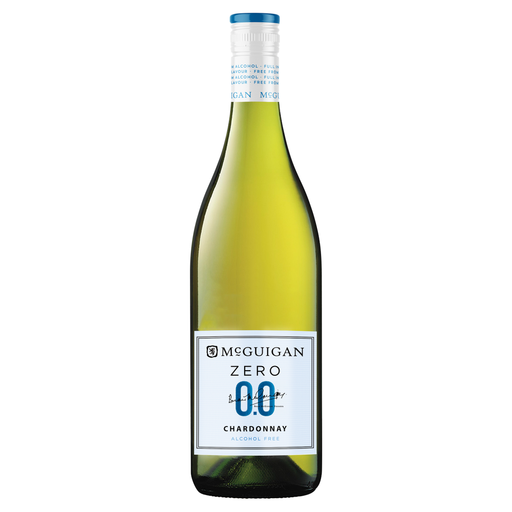
Why This Fits Their Persona: A non-alcoholic Chardonnay for weekday meals, social occasions or shoppers choosing to avoid alcohol.
The listing states 0.0% ABV, 0 UK units, vegan suitability and sulphite information, rather than leaving alcohol content unclear.
White peach, nectarine and melon notes; 24 kcal per 100ml according to the supplied information.
We have compiled a complete, real-time list of products that fully satisfy these strict selection criteria and UK safety regulations.
Often, yes, but not always. Many Chardonnay wines are dry, with crisp acidity and little residual sugar. However, fruit-forward or oak-influenced examples may taste richer or softer. Check the product description and nutritional information rather than assuming from the grape name.
Most opened white wine is best kept refrigerated and consumed within a few days. Reseal the bottle promptly and follow the storage instructions on the label. Smaller 187ml bottles can be useful if you do not expect to finish a 75cl bottle quickly.
A Chardonnay case deal can be practical for hosting or regular use, but compare the per-bottle price with single-bottle listings before ordering. Also check storage space, delivery terms and whether you genuinely want several bottles of the same style. Prices and availability can change, so review the current listing when buying Chardonnay wine online.