Travellers carrying phones, tablets or cameras
A power bank can provide backup charging between sockets. Before taking one on a flight, check its watt-hour marking and the operating airline’s rules on quantity, packing location and use on board.


Pack a power bank when you need charging away from a socket, but check its labelled watt-hours and the operating airline’s carriage rules rather than choosing by mAh alone. For a laptop or several devices, match the charger’s output, port allocation and cable rating to what those devices require. If you will use sockets abroad, check the plug type and power supply’s input rating: a travel adaptor changes plug fit, not voltage or frequency.
A power bank can provide backup charging between sockets. Before taking one on a flight, check its watt-hour marking and the operating airline’s rules on quantity, packing location and use on board.
Compare the laptop’s charging requirement with the USB-C Power Delivery (PD) output of the charger or power bank. If you charge a phone or tablet at the same time, check how power is allocated between ports and use a suitably rated cable.
Check the destination’s socket type and the input rating printed on each charger or power supply. A plug adaptor can make the plug fit, but it cannot make equipment compatible with a different supply voltage.
Start with where you will charge—away from a socket or from mains power—then check the accessory against your devices and travel arrangements.
| Priority | What to check | Your needs |
|---|---|---|
| Power-bank carriage | Read the bank’s watt-hour (Wh) marking. Check the operating airline’s current capacity, quantity, packing-location and in-flight-use rules, including for connecting flights. | I need backup power in transit without packing a battery contrary to my carrier’s rules. GOV.UK advises checking with the airline because restrictions can differ. |
| Charging output | Compare the device maker’s charging guidance with each USB-C PD port’s output. For several connected devices, check the stated total output and how it is shared. | My laptop and phone may need charging together; a headline output figure does not tell me what each occupied port supplies. |
| Cables and connectors | Match connectors to the devices and power source, then check the cable’s stated power rating against the planned charging power. | I want to pack a cable that works with the charger and device I am taking, rather than relying on its USB-C shape alone. The USB Implementers Forum specifies that higher USB PD power requires a suitably featured cable and connector. |
| Sockets abroad | Check the destination socket and read the input-voltage rating on the charger or device power supply. Do not treat a plug adaptor as a voltage converter. | At my accommodation, the plug must fit and the power supply must be rated for the local electricity supply. Electrical Safety First advises checking the equipment’s rating before use overseas. |
| Replacement accessories | Check the device maker’s compatibility guidance and choose a genuine charger from a trusted supplier. Inspect batteries and accessories for damage before packing. | If I replace a lost or damaged charger, I need one suitable for the device. London Fire Brigade advises using the supplied charger or a genuine branded replacement from a trusted supplier. |
Airline battery conditions use watt-hours and may also limit how many banks you carry and where you keep them. The mAh figure alone cannot settle whether a bank is permitted on your flight.
Read the bank’s Wh marking and compare it with the operating airline’s current policy before buying and again before travelling.
Ryanair’s Help Centre says power banks must be kept on the passenger or in an underseat cabin bag. easyJet specifies cabin-bag carriage and says power banks must not be recharged or used to charge devices on board.
Check every operating carrier on the itinerary, including connections, and pack according to each applicable rule.
A plug can fit a socket while the connected equipment remains unsuitable for the supply. Electrical Safety First says to check the rating plate when using electrical equipment overseas.
Check both the destination socket and the input rating of the charger or device power supply; an adaptor alone does not change voltage or frequency.
A replacement needs to be compatible with its device, and battery condition matters when carrying or charging equipment. London Fire Brigade advises choosing a genuine branded replacement charger from a trusted supplier.
Follow the device maker’s charging guidance, inspect the battery and accessories, and do not use or pack a swollen or damaged battery.
Anker’s UK range includes 20,000mAh-and-higher USB-C power banks marketed for charging phones and some laptops.
Belkin offers power banks for different device mixes, including USB-C options for laptop charging.
UGREEN’s Nexode listings include multi-port USB-C power banks for laptops and smaller devices.
These options cover portable power banks for charging away from a socket, a USB-C cable and a mains charger for a compatible device. Choose by your device requirements and travel arrangements; a product listing alone does not establish airline permission.
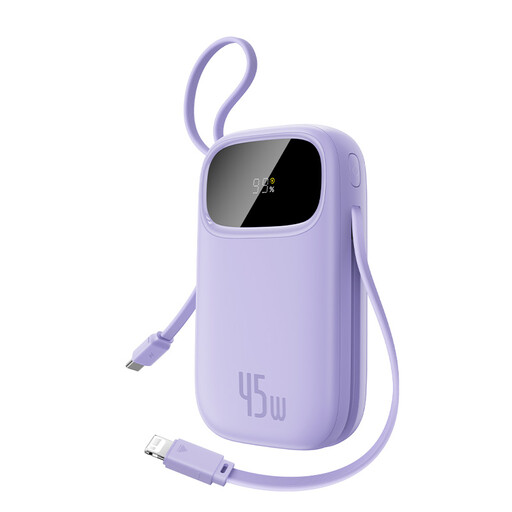 No image available
For charging away from a socket when you need USB-C and Lightning cable options. The product information states 36.5Wh and 45W for single-device output, but 15W total when multiple outputs are used; check your airline’s carriage and in-flight-use rules.
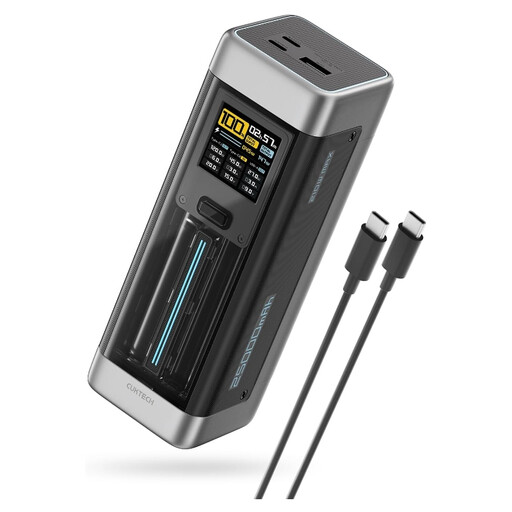 No image available
A USB-C PD 3.1 option to consider for laptop charging away from mains power, provided its output matches your laptop’s requirements. It has a stated three-port arrangement; check the output available with your intended devices connected, the bank’s labelled Wh capacity and your airline’s current rules before travelling.
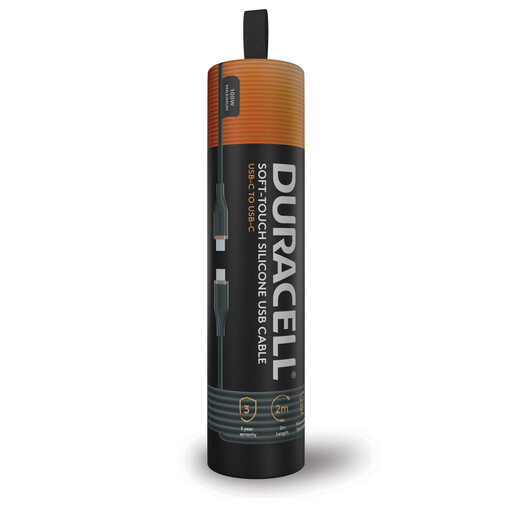 No image available
For packing or replacing a USB-C cable when your charger and device use USB-C connections. The stated charging rating is up to 100W; confirm that the power source and device also support the charging power you need. A cable does not provide power on its own.
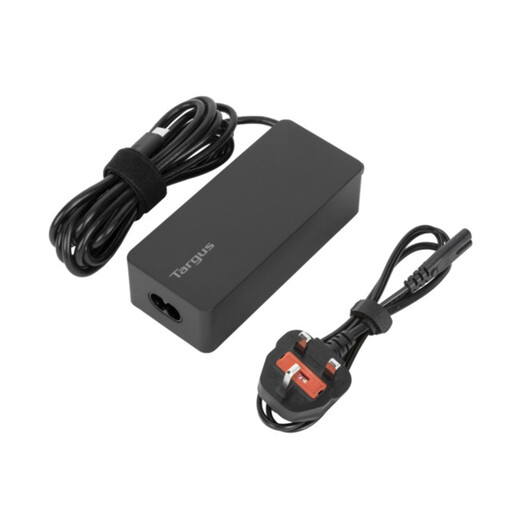 No image available
A mains-charging option for a USB-C device while staying or working away from home. The product information states USB-C PD output up to 65W and includes UK and EU power cords; compare the output with your device’s requirement and check the charger’s input rating against the destination supply.
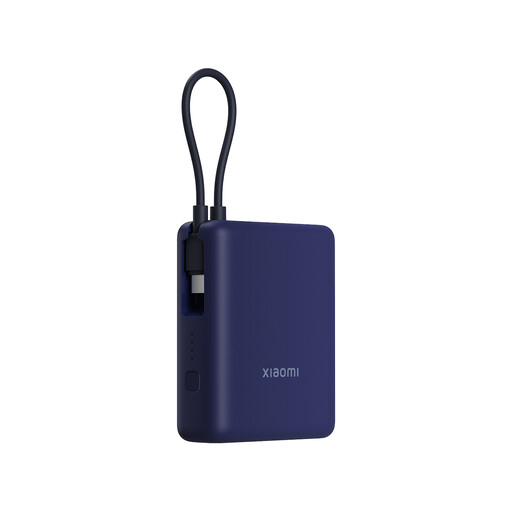 No image available
For portable charging when an integrated cable suits the device you plan to carry. Check the connector and charging requirements of that device, then read the bank’s labelled Wh capacity and the operating airline’s rules before taking it on a flight.
Check the operating airline’s current battery rules for your itinerary before treating a power bank as permitted. GOV.UK advises travellers to check with their airline because restrictions can differ; compare the bank’s Wh marking and your planned quantity and packing location with the carrier’s policy.
Ryanair’s Help Centre states that each power bank must not exceed 100Wh and that passengers may carry no more than two power banks, within its limit of 20 spare lithium batteries in total. It says power banks must be on the passenger or in an underseat cabin bag. Recheck its policy for your flight before departure.
No: easyJet’s dangerous-goods guidance says power banks must not be recharged or used to charge other devices on board. It also specifies cabin-bag carriage and a maximum of two power banks per person; check the current policy before flying.
Yes. GOV.UK says electronic devices should be charged before travel and that a device which does not switch on when requested will not be allowed onto the aircraft.
No. Electrical Safety First explains that a travel adaptor does not convert voltage or frequency. Check the destination socket type and the input rating on the charger or power supply before using it.