
24/7 Customer Support

Free returns

Same-day & Next-day Delivery

Quality Guaranteed

Unlock Your Welcome Offers: FREE Delivery | Up to 80% OFF | Free 30-day JoyPlus trial
Download the APP
Cheddar cheese snacks cover a wide range of formats, from crunchy cheese crisps and baked cheese snacks to cheese biscuits, crackers and cheese-only bites. The right choice depends on where you will eat them, how many people you are serving and whether you need to avoid particular allergens.
However, attractive packaging can make products seem more suitable than they are. A large sharing bag may go stale before it is finished, while a multipack can offer convenience but less variety. Before buying, check the following common pitfalls.
Some cheddar crisps and cheese crackers use a seasoning blend containing cheese powder, whey, onion, yeast extract and flavourings. This can deliver a pronounced savoury taste, but it is different from a snack made mainly from cheese.
Check the ingredients list and any quantitative ingredient declaration. For example, Jacob’s Baked Cheddars list cheddar cheese powder at 16%, while Jacob’s Mini Cheddars Original list dried cheese at 10%. These figures help you compare products more realistically than front-of-pack descriptions alone.
A 150g sharing bag may suit a film night or buffet, but it is less practical for packed lunches. Individual 23g or 25g bags are easier to portion for school, work or travel. Conversely, small packs may cost more per 100g and create more packaging.
For regular snacking, compare total weight, number of portions and price per 100g rather than judging value by the number of bags.
Many cheddar snacks contain milk, but cheese biscuits and crackers commonly also contain wheat, barley or soya. Products may also carry “may contain” warnings because of shared manufacturing equipment.
Do not rely on terms such as “natural”, “baked” or “vegetarian” to determine suitability. Read the current packaging, especially when buying for children, guests or anyone with an allergy. Ingredients and allergen information can change.
If you prefer a firm potato crunch, look for hand-cooked or ridge-cut crisps. Tyrrells Mature Cheddar & Chive crisps are described as thick-cut and cooked in small batches, giving them a more substantial texture. McCoy’s products use a ridge-cut format designed to hold seasoning across the surface.
For a lighter biscuit-style bite, compare baked products such as Mini Cheddars or Baked Cheddars. “Baked” describes the preparation method, not necessarily a lower-calorie choice, so still check the nutrition panel.
Use the format to match the occasion:
Use the per 100g figures for comparing products, then consider the actual serving size. The products listed here range from individual portions to larger bags, so the total calories, fat and salt consumed can vary considerably.
For example, McCoy’s Cheddar & Onion crisps provide 132 kcal and 0.24g salt per 25g bag. Lava Cheese Plain Cheddar has a very different composition because it is made from cheddar cheese, with 36g protein and 1g carbohydrate per 100g according to the supplied product information. Neither format is automatically suitable for every diet; the distinction is that one is a potato crisp snack and the other is a dried cheese product.
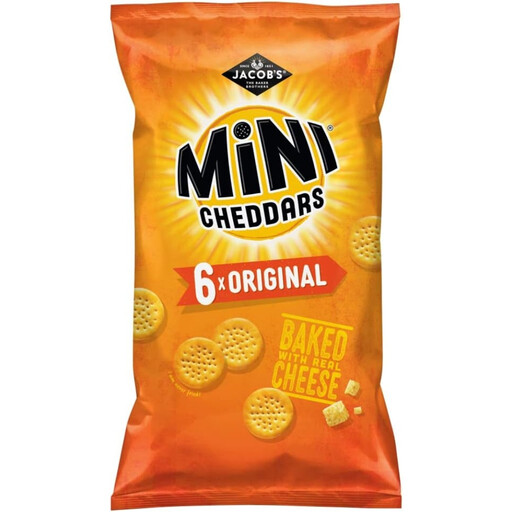
Why This Fits Their Persona: Six individual packs suit shoppers who want familiar cheese biscuits for lunchboxes, short journeys or weekday snacks without opening a large sharing bag.
The six 23g portions help prevent the waste and loss of crunch associated with repeatedly reopening a larger bag.
Oven-baked format; dried cheese listed at 10%; individual portion control.
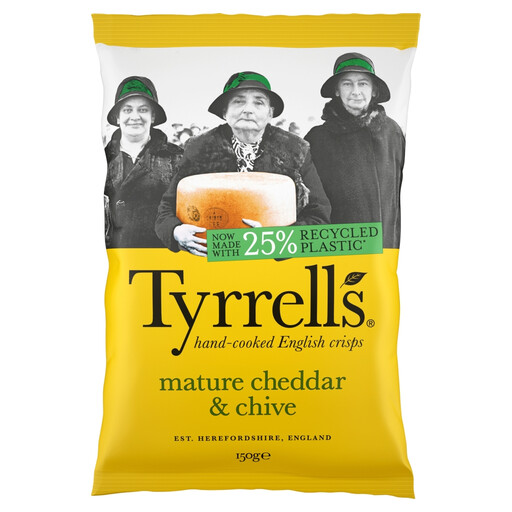
Why This Fits Their Persona: A 150g sharing bag suits hosts assembling a grazing board, serving drinks or planning an evening snack with a more pronounced cheddar-and-herb flavour.
The listed 150g quantity makes the sharing intention clear, while the ingredient list identifies milk and possible gluten exposure.
Thick-cut hand-cooked crisps; British potatoes; mature cheddar and chive seasoning.
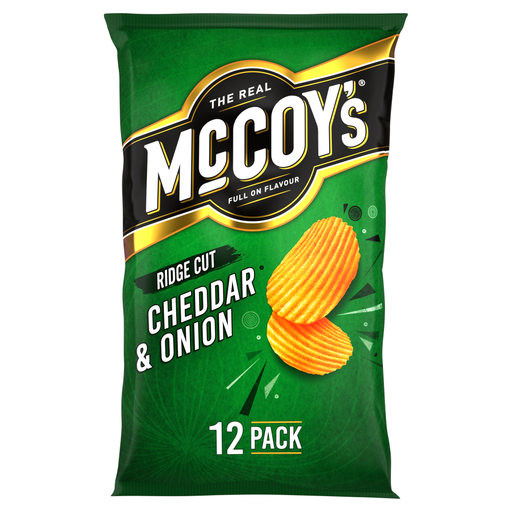
Why This Fits Their Persona: Families, office managers and regular lunchbox shoppers can keep individual 25g bags available for planned portions throughout the week.
The 12-pack clearly states its six-per-portion structure in the product information, making quantity easier to plan than a single open bag.
12 individual packs; ridge-cut potato crisps; 132 kcal and 0.24g salt per 25g pack.
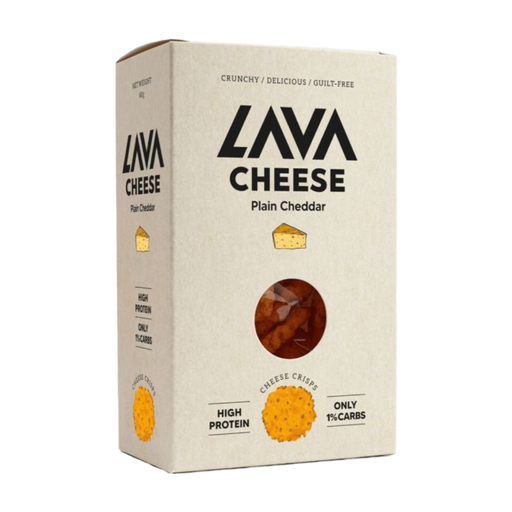
Why This Fits Their Persona: Shoppers seeking a direct cheddar flavour can enjoy this compact cheese-based snack alone or alongside apples, grapes and a sharing board.
The ingredients list identifies cheddar cheese as the sole listed ingredient, avoiding uncertainty about a heavily seasoned potato or flour base.
60g pack; cheddar cheese-based format; contains milk and has 1g carbohydrate per 100g.
We have compiled a complete, real-time list of products that fully satisfy these strict selection criteria and UK safety regulations.
Individual packs are usually more convenient for lunchboxes because they offer a defined portion and do not require resealing. Check the allergen statement first, particularly for wheat, milk, barley, soya and possible traces of other allergens. School policies may also restrict products containing nuts or other ingredients.
Store unopened products in a cool, dry place and follow the packaging instructions. Once opened, reseal the bag or place biscuits in an airtight container. Sharing crisps are generally intended to be eaten soon after opening, as moisture can soften the texture.
Not necessarily. Baking describes how the product is prepared, but calorie, fat and salt levels depend on the complete recipe and portion size. Compare the per 100g nutrition panel, then check the actual weight of one serving or pack before deciding which cheddar snack suits your routine.