People comparing protein contributions
If you want cheese to add protein to a post-exercise meal, compare the amount in the portion you will eat, not just the figure per 100g. Check saturated fat and salt alongside it.


Choose hard cheese for a post-exercise snack by checking protein and saturated fat in the portion you plan to eat, as well as whether you can consume milk. High-protein half-fat Cheddar, reduced-fat Cheddar and lactose-free Cheddar address different needs; none makes ‘filtered’ or ‘longer-life’ milk wording a substitute for the cheese’s nutrition and allergen labels. Include cheese within a snack or meal that also contains carbohydrate rather than relying on cheese alone.
If you want cheese to add protein to a post-exercise meal, compare the amount in the portion you will eat, not just the figure per 100g. Check saturated fat and salt alongside it.
A lactose-free Cheddar may meet a lactose-avoidance requirement if you can consume milk protein. It is not a substitute for milk-free food when you have a milk allergy.
If you are taking cheese to eat after exercise, consider how you will portion it and follow that pack’s storage instructions. Compare saturated fat per serving as well as per 100g.
Start with the nutrition values for your intended portion, then check milk tolerance, pack format and storage instructions.
| Priority | What to check | Your needs |
|---|---|---|
| Protein | Compare protein per 100g and per serving. Sainsbury's lists 30.7g per 100g and 9.2g per 30g serving for Cathedral City High Protein Half Fat Mature Cheddar. | I want to know how much protein my actual portion contributes to a post-exercise snack or meal. |
| Saturated fat | Compare saturates per 100g and in your portion, even when a cheese is labelled reduced-fat. The NHS describes more than 5g saturates per 100g as high. | The saturated fat in my usual portion matters alongside its protein content. |
| Milk tolerance | Check for an explicit lactose-free claim and read the allergen declaration. Sainsbury's lists Arla Lactofree Mature Cheddar as containing less than 0.03% lactose, but its label declares milk. | I need to avoid lactose without confusing that requirement with a milk allergy. |
| Portions and storage | Check the serving format, refrigeration instructions and guidance for an opened pack. The Food Standards Agency distinguishes use-by dates, which concern safety, from best-before dates, which concern quality. | For a snack after exercise, I want a portion I can store and use as the particular pack directs. |
| Milk wording | Read the finished cheese’s nutrition, allergen and storage labels rather than treating ‘filtered’ or ‘longer-life’ milk wording as a nutrition value. | I want to choose for what the cheese contains and how I will use it. |
Marks & Spencer lists 25.4g protein and 21.7g saturates per 100g for its British Mature Cheddar. The NHS describes more than 5g saturates per 100g as high.
Compare protein, saturates and salt per 100g, then check how those values relate to the portion you intend to eat.
The Arla Lactofree Mature Cheddar label published by Sainsbury's declares milk and says the product is not suitable for people with a milk allergy.
If you need to avoid lactose, check the exact product’s claim. If you have a milk allergy, do not use lactose-free dairy cheese as a milk-free substitute.
Cheese can contribute protein, but choosing it does not settle what else to include in a meal or snack after exercise.
Consider a measured portion with a carbohydrate-containing food, such as bread or potatoes, according to your wider eating and exercise needs.
Those words alone do not state the protein, saturated fat, allergens or storage requirements of the finished cheese.
Use the exact cheese pack’s nutrition panel and instructions to make those checks.
Tesco’s Cheddar range provides named reduced-fat formats to compare.
Sainsbury’s lists own-label mature and lighter cheese alongside a lactose-free Cheddar option.
M&S British Mature Cheddar offers a standard Cheddar label for portion comparisons.
Waitrose lists reduced-fat and lactose-free Cheddar options as well as sliced mature Cheddar.
Cathedral City High Protein Half Fat Mature Cheddar is a labelled option for comparing protein per serving.
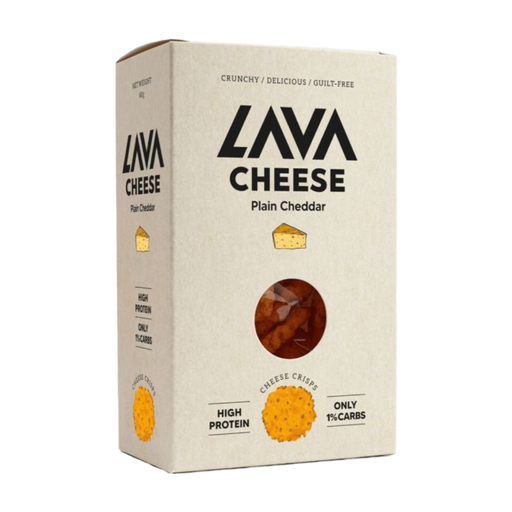
The Joybuy option here is a 60g cheese-based snack rather than a block of hard cheese. Check whether that format suits the snack or meal you have in mind.
 No image available
This crunchy cheese-based snack may suit someone wanting a different format from a block of Cheddar after exercise. Check the pack’s protein and saturated fat values for the amount you will eat, and confirm its lactose status if you need to avoid lactose.
Cheese can contribute protein, but consider it as part of a snack or meal that also contains a carbohydrate food, such as bread or potatoes. The amount and combination you choose depend on your wider eating and exercise needs.
Compare the saturates figures per 100g, then work out what they mean for the portion you intend to eat. The NHS describes more than 5g saturates per 100g as high; a reduced-fat description does not replace checking the nutrition panel.
No: the Arla Lactofree Mature Cheddar label published by Sainsbury's declares milk and says it is not suitable for people with a milk allergy. Avoiding lactose and avoiding milk are different requirements.
Follow the instructions on the specific pack, including its refrigeration and opened-pack guidance. For example, Waitrose & Partners says to keep its Essential Mature Sliced Cheddar below 5°C and consume it within 3 days of opening; other products may have different instructions.
The Food Standards Agency says a use-by date relates to food safety, while a best-before date relates to food quality. Check which date appears on your particular pack and follow its storage instructions.