
24/7 Customer Support

Free returns

Same-day & Next-day Delivery

Quality Guaranteed

Unlock Your Welcome Offers: FREE Delivery | Up to 80% OFF | Free 30-day JoyPlus trial
Download the APP
Cheese biscuits and crackers can look similar on the shelf, yet the difference between a crisp, flavourful snack and a disappointing purchase often comes down to details hidden in the ingredients panel. A small box may be suited to a cheeseboard, while another is more appropriate for lunchboxes, drinks pairings or family sharing.
The most common buying mistakes are easy to avoid:
For a pronounced dairy flavour, compare the listed cheese percentage where it is provided. The Drinks Bakery Parmesan Toasted Pinenut & Basil contains 10% Parmesan, while Jacobs Baked Cheddars lists 16% cheddar cheese powder. These products offer different experiences: Parmesan brings a savoury, umami-style note, whereas cheddar biscuits tend to provide a more familiar tang.
Mature cheddar cheese biscuits may pair well with chutney, apple or a mild spread. Parmesan biscuits can work with dry white wine, Belgian-style blonde ales or a gin and tonic, although pairing remains a matter of personal taste.
Also consider added ingredients. Basil and toasted pine nuts create a more layered flavour, while mature cheddar and onion crackers provide a stronger seasoned profile. For simple everyday snacking, lightly flavoured savoury biscuits may be easier to share.
The word “crispy” does not describe every texture. Look for terms such as thin and crisp, crumbly, melt-in-the-mouth or baked:
For a cheeseboard, choose crackers that are sturdy enough for soft cheese, pâté or chutney. Very delicate biscuits may break during serving. If you are buying toddler cheese crackers, read the age guidance carefully and supervise your child while eating; the product’s shape and texture do not remove the normal choking risk associated with finger foods.
Pack size should match the occasion rather than the front-of-pack design. A 75g pack can be suitable for a small treat, while 150g to 240g options are more useful for family sharing, parties or repeated snacking.
Once opened, most products should be kept in a cool, dry place and transferred to an airtight container to help preserve their crunch. Check the best-before information on the packaging, particularly when buying several packs for a planned event.
Vegetarian cheese biscuits are available, but “vegetarian” does not mean suitable for every dietary requirement. Always check bold allergen declarations. Products in this selection may contain or include wheat/gluten, milk, egg, soya, sesame, barley, pine nuts or other nuts. Ingredient and allergen information on the pack should take priority if it differs from an online listing.
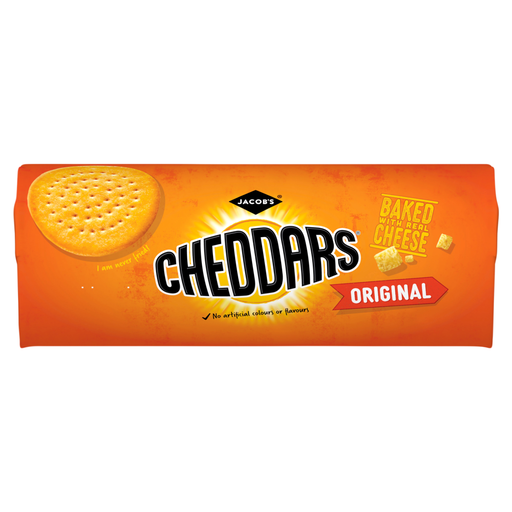
Why This Fits Their Persona: A familiar 150g format for everyday snacking, sharing at home or adding to a casual lunchbox.
The listing specifies 16% cheddar cheese powder, so shoppers can assess the cheese ingredient instead of relying only on front-of-pack imagery.
150g pack; baked texture; suitable for serving alone or alongside dips and cheeses.
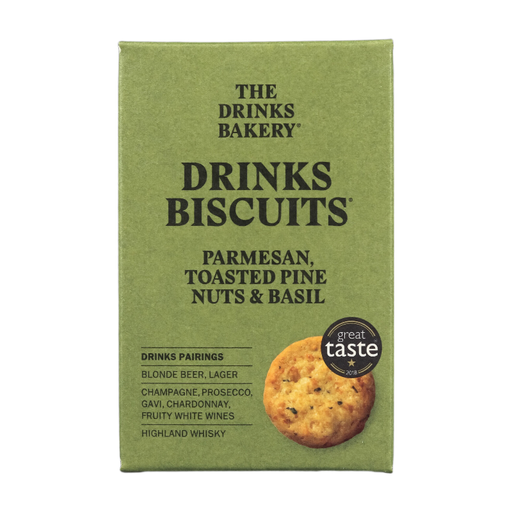
Why This Fits Their Persona: Designed for drinks pairings, this is suited to shoppers assembling a more considered selection for wine, beer or a cheeseboard.
The product details identify Parmesan, pine nuts and basil, making the flavour direction clearer than a generic cheese-flavoured label.
Suitable for vegetarians; made in the UK; can also be crumbled over soup or salads.
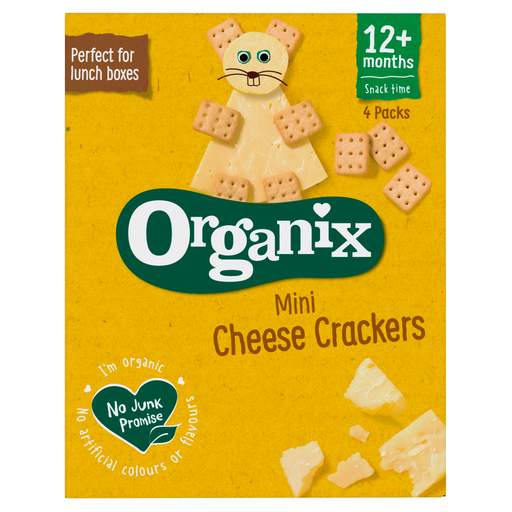
Why This Fits Their Persona: Age guidance, mini pieces and four 20g pouches make this format practical for supervised toddler snacking and outings.
The pack clearly states 12+ months, contains no added salt according to the listing, and provides portion packs rather than an oversized open bag.
Organic wheat-based ingredients; 13.8% cheese; suitable for vegetarians; always supervise children while eating.
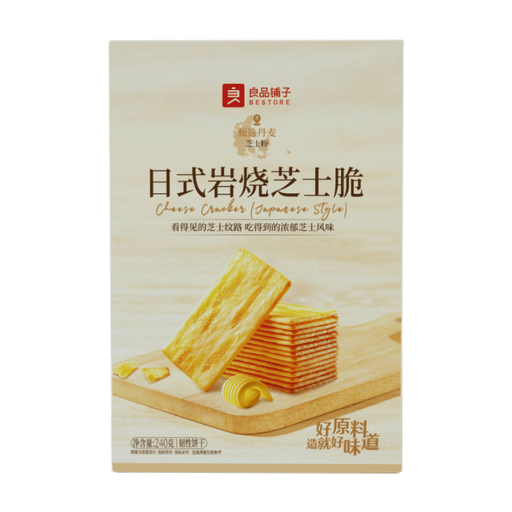
Why This Fits Their Persona: The 240g quantity and individual packaging suit frequent snackers, office drawers, family sharing and travel.
The larger stated net quantity makes the value comparison clearer, while individual wrapping can help avoid repeatedly exposing the entire pack to air.
240g pack; individually packaged; listed with 15% cheese; crisp baked texture.
Use crackers for cheeseboards according to strength and texture. Mild biscuits can accompany Brie, cream cheese or fresh chutney, while mature cheddar or Parmesan-style snacks can stand alongside stronger cheeses and pickles. For snacks for wine and drinks, keep portions modest and offer contrasting textures, such as fruit, nuts where appropriate and soft cheese.
A bamboo cheese board with a cheese knife set can make serving easier for parties. Place the crackers near the edge of the board so guests can reach them without disturbing softer foods. For lunchboxes, choose sealed or portioned packs and check the allergen information for the intended recipient.
We have compiled a complete, real-time list of products that fully satisfy these strict selection criteria and UK safety regulations.
Some are, including products labelled suitable for vegetarians, but this should be checked on each product listing and pack. Ingredients such as milk, cheese, egg and animal-derived flavourings can vary. Vegetarian suitability is separate from vegan suitability.
Store them in a cool, dry place and close the packaging tightly. For improved freshness, place the remaining biscuits in an airtight container and follow the storage instructions on the pack.
Choose products with clear age guidance, such as crackers labelled 12+ months, and check the ingredients for allergens. Serve only when your child is seated and supervised. Age guidance does not replace individual feeding advice or normal caution around hard, dry finger foods.