Choose cheese by how it will be served: individually wrapped soft-cheese portions suit a cold self-service counter, while spreadable soft cheese suits a staffed toast or bagel station. Use pre-grated cheese for cooked breakfast dishes rather than treating it as a cold, spreadable alternative; check the delivered pack’s allergens, storage instructions and dates before service.
Who is each format for?
Teams running a cold self-service counter
Individually wrapped soft cheese gives guests a defined portion without an open tub. Boursin’s Garlic & Herbs Portions are one example; the team still needs to manage chilled storage and communicate the product’s allergen information.
Kitchens serving bagels, toast or sandwiches
At a staffed station, a spreadable cheese can be portioned with controlled utensils. M&S describes its Full Fat Soft Cheese as made for spreading and specifies storage at 0°C to +5°C.
Kitchens preparing cooked cheese dishes
Ready-grated mozzarella or a Cheddar and mozzarella blend fits a hot-use route, such as toasties or baked dishes. These products serve a different purpose from cold soft-cheese portions or a spread.
What should you check before buying?
Decide where and how guests will receive the cheese, then check whether the exact product can be handled within your buffet procedure.
| Priority |
What to check |
Your needs |
| Serving format |
Choose between wrapped portions, a spreadable tub and grated cheese for cooking. Check the product’s stated use rather than relying on the word “soft”. |
For a cold self-service counter, I need a portion guests can take; at a staffed bagel station, I need cheese that can be spread. Grated cheese belongs in my choice only if I am preparing a cooked dish. |
| Ingredients and allergens |
Read the delivered pack’s ingredient and allergen declarations, including precautionary statements. Keep buffet signs or allergen records aligned with the product actually served. |
If cheese is decanted or served loose, I need staff to identify it accurately. The Food Standards Agency’s MyHACCP guidance calls for careful control of ingredients containing allergens. |
| Chilled handling |
Check the exact pack’s storage range, date and instructions after opening. Plan display, replenishment and temperature monitoring around that product. |
I need a service routine that follows the delivered label. Boursin specifies +2°C to +6°C for its portions, while M&S specifies 0°C to +5°C for its Full Fat Soft Cheese; one instruction cannot stand in for the other. |
| Supply format |
Confirm pack and case quantities, delivery conditions and opened-pack instructions with the supplier before ordering for buffet volume. |
For a busy breakfast service, I need quantities and a replenishment plan that work for the number of guests, not just a retail pack that suits a trial. |
What can go wrong?
-
Buying grated cheese for a cold spreading station
The grated mozzarella and Cheddar and mozzarella products described by Galbani, Waitrose and Sainsbury’s are positioned for melting or cooked dishes, not for spreading on a cold counter.
Specify whether the station needs a wrapped portion, a spread or a cooked topping before choosing a product.
-
Using an old ingredient listing after changing products
Milk is an allergen in the cheese candidates described here, and Boursin’s portions may contain traces of nuts. Decanting can separate a product from the label needed to identify it.
Check the delivered pack and keep the buffet’s allergen information aligned with the product in use.
-
Assuming a retail pack suits buffet volume
A small pack does not establish a suitable case quantity, delivery arrangement or replenishment routine for a hotel breakfast service.
Ask the supplier for its foodservice specification and confirm quantities and handling instructions before committing to a format.
-
Applying one cheese’s storage instructions to another
Product instructions differ: Boursin’s portions specify +2°C to +6°C, while M&S Full Fat Soft Cheese specifies 0°C to +5°C.
Use the delivered product’s label when setting chilled storage and buffet monitoring procedures.
Relevant brand references
These examples illustrate different serving formats; a brand’s inclusion does not mean every product it makes suits the same station.
Boursin
Garlic & Herbs Portions offer an individually wrapped, flavoured soft cheese for a cold self-service counter.
- The 96 g pack contains six portions.
- Refrigerate at +2°C to +6°C. The cheese contains milk, may contain traces of nuts and is not a plain soft cheese.
Galbani
Galbani describes its Grated Mozzarella as an option for baked dishes.
- The named product is supplied grated in a 180 g pack.
- It is a hot-use choice, not a spreadable cheese or an individually wrapped cold portion.
Waitrose
Waitrose lists grated mozzarella and a grated Cheddar and mozzarella blend for cooked uses.
- The named products offer a choice between mozzarella and a cheese blend.
- Check the exact product’s ingredients and storage label; a retail pack does not establish suitability for hotel-scale supply.
Sainsbury’s
Its 250 g Grated Cheddar & Mozzarella Mix is a blend for a cooked-cheese route.
- The product information states 68% mozzarella and 30% mild Cheddar.
- It is not a ready-to-spread soft cheese; its label states use within three days after opening.
M&S
M&S describes its Full Fat Soft Cheese as made for spreading, making it relevant to a staffed bagel or toast station.
- The named product comes in a 250 g format.
- It contains milk, requires storage at 0°C to +5°C and does not provide individual guest portions.
Joybuy cheese for cooked dishes
This grated-cheese option is relevant to cooked breakfast dishes, not to a cold, spreadable or individually portioned soft-cheese counter.
 No image available
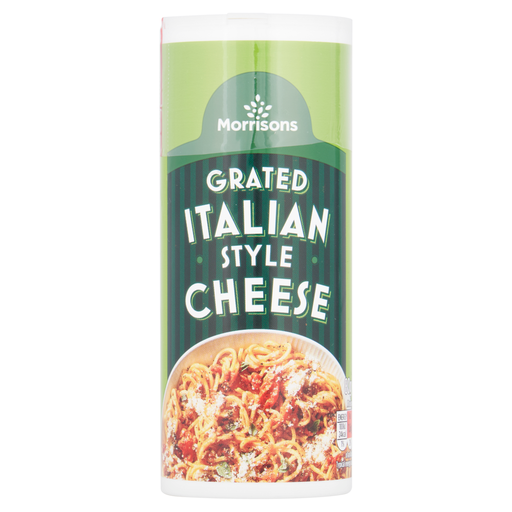
Morrisons Grated Italian Style Cheese 80 g
Consider this grated cheese if the breakfast kitchen is preparing a cooked dish; it is not a soft-cheese spread or a wrapped cold portion. The listing states that it is made with raw milk and contains egg and milk. It also gives cool, dry storage and use within seven days after opening: check the delivered label and your handling requirements before service. Confirm case quantities with the supplier if buying for buffet volume.
View on Joybuy
Frequently asked questions
Is pre-grated cheese suitable for a cold hotel breakfast counter?
Choose portions or a spread if guests will eat the cheese cold or use it on bagels and toast. The grated mozzarella and cheese blends described by Galbani, Waitrose and Sainsbury’s are positioned for cooked dishes rather than as cold, spreadable soft cheese.
What allergen information should accompany buffet cheese?
Use the delivered product’s current ingredient and allergen information when preparing buffet signs and staff records. The Food Standards Agency’s MyHACCP guidance calls for careful control of ingredients containing allergens and measures to protect other foods from cross-contamination; milk is present in the cheese candidates described here.
Can the product webpage replace the delivered pack label?
Check the delivered pack and current supplier specification before service. Waitrose and M&S advise checking product labels because ingredients and allergen information can change.
Which refrigeration instruction should the breakfast team follow?
Follow the exact delivered product’s label, not another cheese’s temperature range. Boursin specifies +2°C to +6°C for its Garlic & Herbs Portions, M&S specifies 0°C to +5°C for its Full Fat Soft Cheese, and the named Waitrose grated cheeses specify refrigeration below 5°C.


