Home bakers following a specific recipe
Check whether the recipe asks for a soft, creamy filling or loose grated cheese. The two forms serve different roles, even when a search for cheese brings them up together.


Buy cheese for the role specified in your bread recipe: plain cream cheese or soft cheese for a creamy filling or spread, and grated cheese when the recipe calls for loose pieces in the dough or on top. If you need grated cheese, a ready-grated pack saves a preparation step; grating a block yourself lets you choose a product without the potato starch listed in the cited ready-grated examples. Check the current pack for ingredients, allergens and storage instructions.
Check whether the recipe asks for a soft, creamy filling or loose grated cheese. The two forms serve different roles, even when a search for cheese brings them up together.
Ready-grated cheese removes the grating step when a recipe calls for it. Compare the ingredient list if additions such as potato starch matter to your choice.
Read the current pack for milk and any other relevant allergens, then follow its chilled-storage and date instructions. Flavoured and ready-grated products can have different ingredient lists from plain soft cheese or a block.
Choose when: the recipe specifies a creamy filling, swirl or spread.
Bear in mind: it is not a direct substitute for loose grated cheese in a recipe that calls for shreds.
Choose when: the recipe calls for grated cheese and you want to skip grating a block.
Bear in mind: the cited Tesco mozzarella and M&S and Waitrose grated Cheddars list potato starch alongside cheese.
Choose when: the recipe needs grated cheese but you prefer the cheese-only ingredient list shown on the cited Waitrose block Cheddar.
Bear in mind: you will need to grate it and still check that the cheese type and quantity match the recipe.
| Priority | What to check | Your needs |
|---|---|---|
| Recipe role | Read the recipe for “soft cheese”, “cream cheese”, “grated” or “shredded”. Check where and how the cheese is added. | For a creamy filling, I need the soft cheese named by the recipe. For cheese pieces in dough or on top, I need the specified grated form. |
| Ingredient list | Compare the current labels. Tesco grated mozzarella and the cited M&S and Waitrose grated Cheddars list potato starch; the cited Waitrose block Cheddar lists Cheddar cheese (milk). | I would rather grate a block if avoiding the potato starch in those ready-grated examples matters to me. |
| Allergens and flavour | Check the full ingredients and highlighted allergens on the pack. Check whether a flavoured soft cheese fits a savoury recipe. | If I am baking for someone who must avoid an ingredient, I need to check the exact product. For plain bread, I do not want to introduce garlic-and-herb flavour by accident. |
| Storage and dates | Follow the pack’s refrigeration and opened-pack instructions. Check its use-by date; the Food Standards Agency identifies this as a food-safety date. | When I plan to use the remaining cheese in another bake, I need to know how the opened pack must be stored and when it must be used. |
Soft cream cheese and ready-grated mozzarella or Cheddar are different forms; the recipe’s method may depend on which one it names.
Check the recipe before buying. Use soft cheese for a specified creamy component and grated cheese where it calls for loose pieces.
The cited Tesco, M&S and Waitrose grated products list potato starch, while the cited Waitrose block Cheddar lists only Cheddar cheese (milk).
Compare the current ingredient lists. If you prefer the block’s listed ingredients, allow time to grate it yourself.
Boursin Garlic & Herbs is a flavoured soft cheese, so it does not serve as a neutral replacement in a recipe that specifies plain cream cheese.
Choose it only when garlic-and-herb flavour is intended for the bread.
Milk is an allergen found in cheese, according to the Food Standards Agency. Baking does not replace the need to check allergens, storage instructions and the use-by date.
Read the current pack before use, including any opened-pack instructions, and follow its storage and date guidance.
These examples show why the product form and current label matter more than the name on the pack.
A plain cream-cheese reference for recipes specifying a soft cheese component.
A flavoured soft-cheese reference for savoury bread fillings or toppings.
A ready-grated mozzarella example for recipes that specify grated cheese.
A ready-grated mature Cheddar example.
Product examples spanning soft cheese, grated Cheddar and block Cheddar.
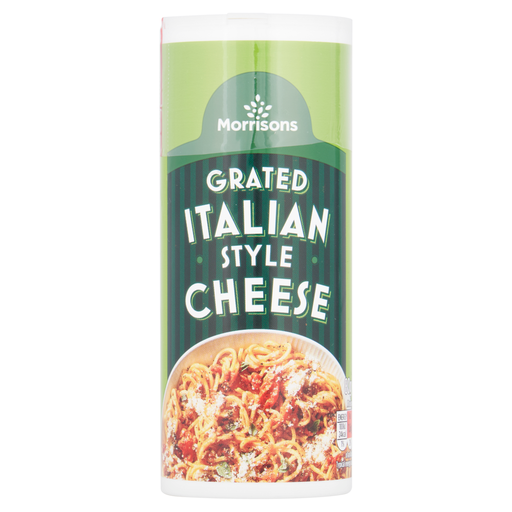
This ready-grated option is relevant when a bread recipe asks for grated cheese. Check its cheese style against the recipe before choosing it; it is not presented as cream cheese.
 No image available
Consider this when the recipe calls for grated cheese and you want to avoid grating a block. Check the current pack to confirm the cheese style suits your recipe, and read its milk and egg allergen information and storage instructions before use.
Do not treat them as direct substitutes. Cream cheese is a soft product, while grated mozzarella or Cheddar supplies loose pieces; follow the form and method specified by your recipe.
Grating a block lets you choose a different ingredient list, though it adds a preparation step. The cited Waitrose block Cheddar lists Cheddar cheese (milk), whereas the cited Tesco mozzarella and M&S and Waitrose grated Cheddars also list potato starch. Check the particular pack you intend to buy.
Use it when garlic-and-herb flavour is intended, such as in a savoury filling or topping. Boursin Garlic & Herbs is a flavoured soft cheese, not a neutral substitute for plain cream cheese or grated cheese.
Follow the opened-pack storage instructions and use-by date on that cheese. The Food Standards Agency identifies use-by dates as relating to food safety; instructions for one product should not be assumed to apply to another.
Check the exact product’s current allergen information and full ingredient list before buying or using it. The Food Standards Agency identifies milk as a common ingredient in cheese; do not assume a flavoured or alternative cheese product is suitable without checking its label.