What matters when choosing?
Decide whether the scones need one shared setting or must cook alongside a different dish. Then check tray space, installation fit and the features you would use beyond the party.
Single fan oven
Choose when: Several similarly timed trays of scones are the main task and one full-size cavity meets your needs.
Trade-off: One cavity cannot give another dish a separately controlled temperature.
Built-in double oven
Choose when: Scones and another party dish need separate cooking spaces, and a taller oven housing is available.
Trade-off: Check each cavity’s usable space as well as the taller installation opening.
Split-cavity oven
Choose when: You want a whole oven for some bakes and independently controlled zones for a mixed menu at other times.
Trade-off: The divider can restrict space for large trays; check the exact model’s zone layout.
| Concern |
What to check |
Who it matters to |
| Even baking |
Look for evidence about heat distribution and check the exact model’s fan functions and shelf guidance. |
If several trays need to rise and brown predictably, uneven results could disrupt the party bake. Around 40% of consumers put consistent batches first. |
| Menu capacity |
Compare usable shelf space and whether a second cavity or divided zones allow independent settings. |
When scones share oven time with another dish, separate temperatures or timings become the priority. Around 30% of consumers chiefly need that parallel cooking flexibility. |
| Installation fit |
Compare recess measurements with the installation drawing, then check the appliance’s electrical or gas connection requirements. |
If the existing cabinet and supply determine what can be installed, cooking features come after compatibility. Roughly 20% of consumers prioritise fitting the oven into their kitchen. |
| Cleaning effort |
Identify the exact cleaning system and read its care instructions. |
Frequent baking can make cleaning effort a deciding factor, even though it does not determine how scones bake. Around 10% of consumers put easier upkeep first. |
Joybuy oven choices
These ovens offer different approaches to the party bake: two-cavity electric models for a mixed menu, plus single-cavity electric and gas options for cooking to one main setting. Compare each model’s installation requirements and usable tray layout before deciding.
 No image available
Bosch Series 4 MBA533BB3B electric double oven, black
Consider the two-cavity format if scones must share the party schedule with another dish.
Bosch specifies 3D Hotair for this model, while the Joybuy product description identifies a 71 L main oven. Bosch lists dimensions of 888 × 594 × 550 mm and a fixed electrical connection; check the installation drawing and supply before ordering.
View on Joybuy
 No image available
Belling BEL BI903MFC 90 cm built-in double oven, black and stainless steel
The double-oven format is worth considering when scones and another party dish need separate spaces. Check the installation drawing, connection requirements and usable space in each cavity before choosing it.
View on Joybuy
 No image available
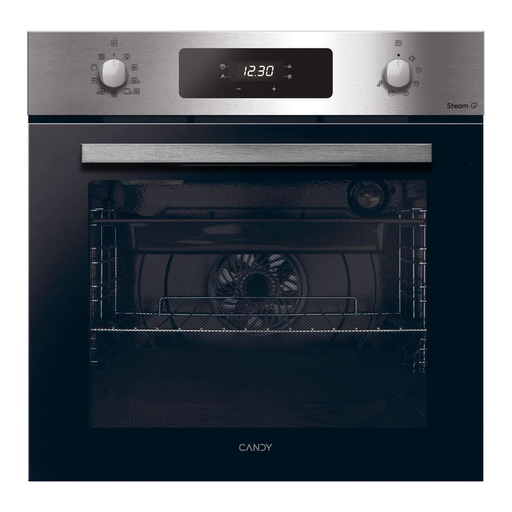
Candy F CM955XRL/CN electric single oven with pyrolytic cleaning, stainless steel
Consider this single-cavity option if one main bake and a pyrolytic cleaning function match your priorities. Check its cooking modes and shelf guidance if several trays must bake together, as well as the installation and cleaning instructions.
View on Joybuy
 No image available
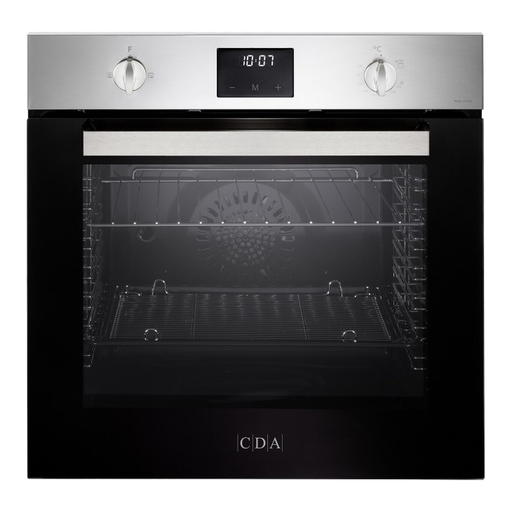
CDA SG121SS 70 L built-in single gas fan oven, stainless steel
This single-cavity gas option calls for checking the available gas supply before comparing baking features. Confirm the model’s installation requirements, shelf layout and guidance for baking more than one tray.
View on Joybuy
 No image available
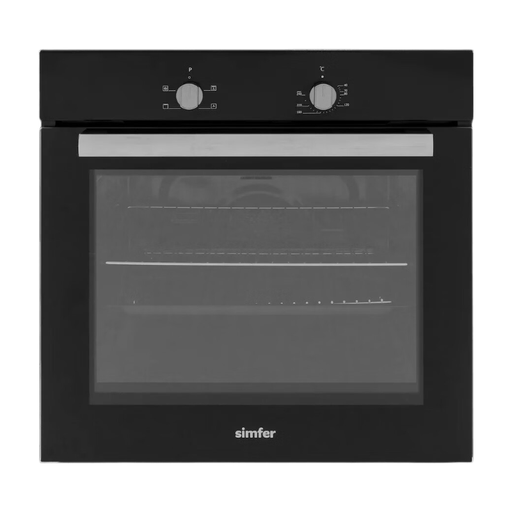
Simfer FO60B black built-in single electric fan oven
A single fan oven may suit scones baked to one setting. Check the installation drawing and the model’s shelf and tray guidance before planning simultaneous party batches.
View on Joybuy
Common questions
Do I need a double oven for party batches of cheese scones?
No, not if the main task is trays of scones using the same setting and a single oven has suitable shelf space and even-heat performance. A double oven becomes more useful when another dish needs its own cavity, temperature or timing; check that the taller housing fits.
What should I measure before ordering a built-in oven?
Measure the cabinet recess height, width and depth, then compare them with the exact model’s installation drawing. Typical housing sizes differ between built-in single and double ovens, so front-panel width alone is not enough.
Can I assume a new electric oven uses an ordinary socket?
No. Electrical Safety First advises checking the oven’s power requirements; connection arrangements vary by appliance. Read the model’s installation instructions and use a qualified electrician where the work requires one.
Are electrical installation rules the same throughout the UK?
Do not assume that an England-specific document sets the rules throughout the UK. GOV.UK’s Approved Document P gives guidance on electrical safety in dwellings in England; confirm the requirements applicable to your UK nation and the planned work before installation.
Is pyrolytic cleaning needed for cheese scones?
No. Pyrolytic cleaning is an upkeep feature, not a measure of how evenly an oven bakes scones. If frequent baking makes cleaning a priority, check the exact model’s cleaning programme and care instructions.


