
24/7 Customer Support

Free returns

Same-day & Next-day Delivery

Quality Guaranteed

Unlock Your Welcome Offers: FREE Delivery | Up to 80% OFF | Free 30-day JoyPlus trial
Download the APP
Cheese snacks can look similar on the shelf, yet the eating experience, portion format and suitability for your household may differ considerably. A large sharing bag may offer good value for a film night, while individual packets are more practical for lunchboxes or office drawers. Some products are baked, some are fried and others are designed as cheese biscuits, pretzel snacks or international treats.
The main challenge is separating useful product information from vague flavour-led marketing. Before buying, check the details that affect freshness, dietary suitability and value rather than choosing based only on the front-of-pack description.
A 140g or 165g bag may appear economical, but it may be intended for several servings. Conversely, a multipack can be easier to portion but may contain more packaging per gram. Compare the total weight and price per 100g, not just the number of bags or the size of the outer packaging.
Cheese-flavoured snacks can use cheese powder, whey, milk solids, yeast extract, flavourings or a combination of these. This affects taste and dietary suitability. Products such as cheese crisps and corn snacks may contain dairy even when the main ingredient is potato or maize.
Cheese snacks can contain milk, wheat, barley, soya, egg or celery, including through seasoning blends. “Suitable for vegetarians” does not mean suitable for vegans, gluten-free diets or people with milk allergies. Always read the current pack label, as recipes and allergen statements can change.
Also check whether the item is ready to eat or requires cooking. Frozen cheesy garlic bread slices are not the same type of purchase as ambient savoury snacks and need freezer storage and thorough heating.
For individual use, 16g–30g inner bags can help with convenient portioning. Walkers Quavers, for example, are supplied as 12 x 16g packs, while McCoys Ridge Cut Cheddar & Onion comes as 6 x 25g packs. These formats suit lunchboxes, picnics and work snacks.
For sharing snacks, a single 140g–165g bag or a 280g dip jar may be more suitable. Once opened, reseal crisps, biscuits and pretzels carefully and follow the storage instructions to help preserve their texture.
The word “baked” describes preparation, not an overall nutritional recommendation. Compare the nutrition panel per 100g and, where available, per serving. Walkers Oven Baked Cheese & Onion Crisps list 13g fat per 100g, while Walkers Quavers list 30.8g fat per 100g. This is a factual difference between these two products, but both should be enjoyed as part of a varied diet.
Texture also matters. Choose thick-cut or ridge-cut crisps for a firmer crunch, cheese biscuits for a drier, crumbly bite and puffed corn snacks for a lighter texture. Pretzel snacks generally provide a baked wheat-based crunch and may be useful for sharing bowls.
In the UK, allergens must be clearly emphasised in the ingredients list. Look for declarations such as contains milk or contains wheat, and check “may contain” statements if cross-contact is a concern.
Do not rely on a product’s colour or flavour name to identify its ingredients. A cheese and onion seasoning may include milk powder and whey, while a vegetarian product can still contain dairy or egg. For children’s snacks, follow the age guidance and supervise young children while eating.
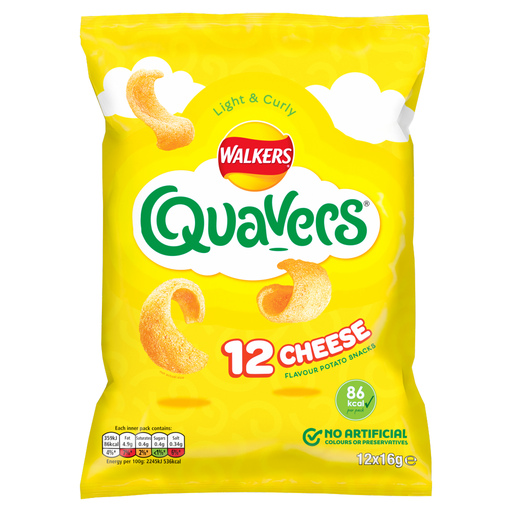
Why This Fits Their Persona: The 12 individual 16g packs offer a straightforward way to stock up for lunchboxes, day trips or weekday snacking without opening one large bag at once.
The pack count and individual weights are clearly stated, making it easier to compare portion size with larger cheesy snack multipacks.
12 x 16g bags; listed as suitable for vegetarians; ready to eat.
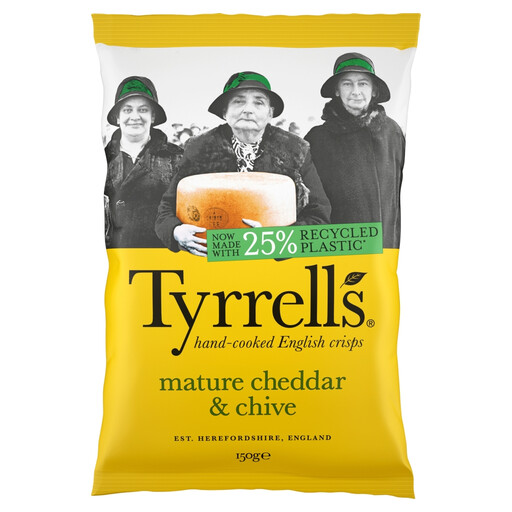
Why This Fits Their Persona: A 150g bag suits a grazing table, picnic or drinks gathering where a thicker-cut crisp and mature cheddar with chive seasoning are preferred.
The product description specifies British potatoes, hand-cooked preparation and a mature cheddar and chive seasoning, rather than relying only on a generic cheese label.
150g sharing format; mature cheddar and chive flavour; contains milk.
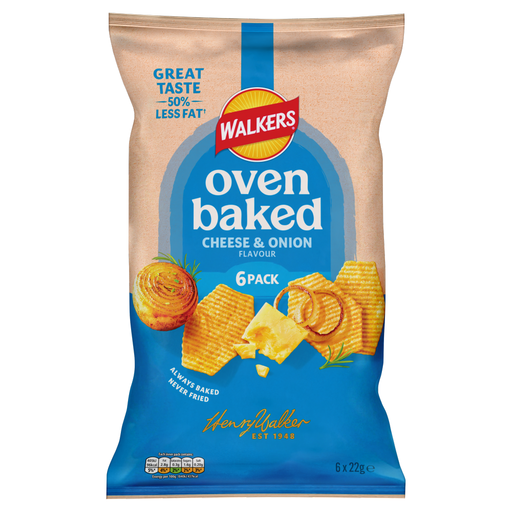
Why This Fits Their Persona: This multipack is practical for regular packed lunches, commuting or keeping individual savoury snacks available at home.
The pack gives both the total quantity and individual 22g serving format, while the baked preparation is stated directly in the product information.
6 x 22g packs; baked preparation; classic cheese and onion flavour; ready to eat.
We have compiled a complete, real-time list of products that fully satisfy these strict selection criteria and UK safety regulations.
Individual packs are usually the most convenient for lunchboxes because they are easier to store and distribute. Check the allergen information, pack size and whether the product is suitable for the intended age group. Cheese crisps, baked cheese snacks and small cheese biscuits can all work, depending on the texture and dietary requirements.
Keep ambient crisps, pretzels and biscuits in a cool, dry place and reseal the packaging after opening. Use an airtight container if the original bag does not close securely. Frozen items must remain frozen according to the pack instructions, and opened dips generally require refrigeration and prompt consumption.
Some are labelled suitable for vegetarians, but this is not universal. Check the product description and current packaging, particularly for flavourings, cheese ingredients and manufacturing statements. Vegetarian suitability also does not confirm that a product is gluten-free, vegan or suitable for anyone with a milk allergy.