
24/7 Customer Support

Free returns

Same-day & Next-day Delivery

Quality Guaranteed

Unlock Your Welcome Offers: FREE Delivery | Up to 80% OFF | Free 30-day JoyPlus trial
Download the APP
Cheese snacks can range from light, airy curls to intensely savoury baked cheese crisps. That variety is useful, but it also makes online shopping surprisingly easy to get wrong. A large sharing bag may not offer good value if you need lunchbox portions, while a product described as “cheesy” may contain more corn, potato or wheat than cheese.
Before adding a multipack or sharing snack to your basket, check what you are actually buying. The ingredient list, nutrition panel, allergen information and pack format usually tell you more than the front-of-pack flavour claims.
Many cheesy snacks use a starch or grain base with a seasoning containing whey powder, cheese powder or flavouring. This is not necessarily a problem, but it creates a different eating experience from snacks made mainly from cheese.
For example, potato curls, corn puffs and tortilla chips generally provide a lighter, more traditional crisp texture. Baked cheese snacks and popped cheese products can have a denser savoury flavour and may suit shoppers looking for a lower-carbohydrate option.
A 150g or 180g bag may look economical, but it is important to consider how the product will be served. Individual bags can help with lunchboxes and portion planning, whereas a large sharing pack is more practical for film nights, parties or family snack bowls.
Check the total weight, number of packs and, where available, the stated servings per pack. A multipack may cost more upfront but reduce the need to divide a large bag manually.
Cheese snacks commonly contain milk, but other allergens may include wheat, barley, gluten, soya, oats, peanuts, mustard or other nuts. “Suitable for vegetarians” does not mean dairy-free, gluten-free or suitable for people with allergies.
Always read the current packaging before consuming. Recipes and allergen declarations can change, and online product details should be checked against the label delivered with your order.
Look beyond phrases such as “seriously cheesy”. Check whether the product is:
A listed cheese percentage can help you compare products, although flavour intensity also depends on seasoning, salt and preparation.
For a fair comparison, use the per 100g figures. Then check the serving size, particularly when comparing low-carb cheese snacks with conventional crisps.
Some cheese-based products are naturally high in protein and contain little or no carbohydrate, but they can also be high in fat and saturates. Conventional cheese crisps and tortilla chips may provide more carbohydrate but often come in familiar portion sizes.
For shoppers following a keto or low-carb eating pattern, look for the carbohydrate figure, not just the product name. For children’s lunchboxes, pack size and allergen information may be more important than macronutrient comparisons.
Crispness is affected by moisture and air. Individual bags are convenient for lunchboxes, while sharing bags should be resealed or transferred to an airtight container after opening. Some products advise consuming them immediately or within a few days once opened.
Look for a clearly stated net quantity, best-before information and storage instructions. These practical details help avoid buying more than you can enjoy while the texture is at its intended quality.
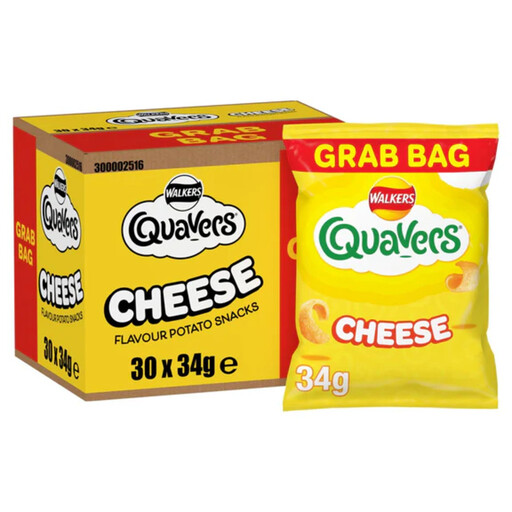
Why This Fits Their Persona: Thirty individual 34g bags are convenient for family snack cupboards, lunchboxes and after-school portions without opening a full sharing bag.
The multipack makes the number of portions and total quantity clear, helping shoppers compare value more accurately than relying on bag size.
Thirty grab bags; vegetarian-friendly formulation; light, curly potato-snack texture.
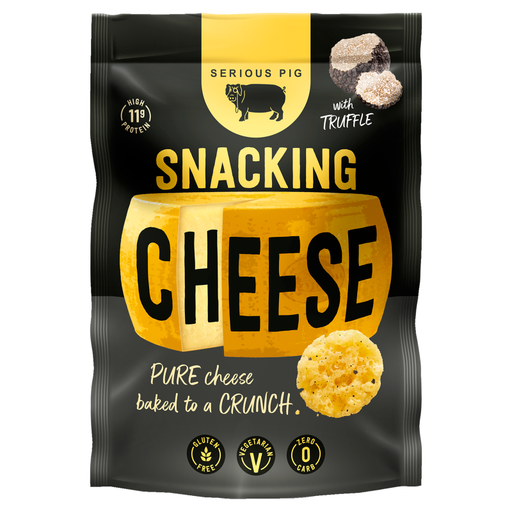
Why This Fits Their Persona: The small pack suits cheese lovers seeking a more distinctive savoury snack for a desk drawer, picnic or drinks board.
It is presented as a 24g cheese crisp rather than a large bag of cheese-flavoured corn or potato snacks, making the product format straightforward.
Italian hard cheese listed at 95.9%; 0g carbohydrate per 100g and 11g protein per 24g pack.
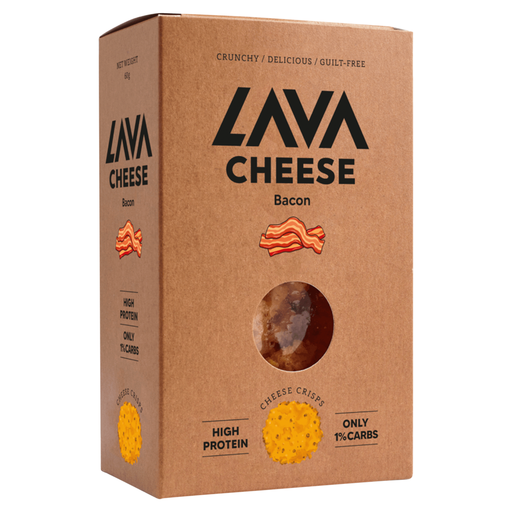
Why This Fits Their Persona: A compact option for shoppers specifically comparing low-carb cheese snacks with a strong cheddar and smoky bacon flavour.
The nutrition panel states 0g carbohydrate and 41g protein per 100g, allowing keto and low-carb shoppers to assess it using figures rather than broad lifestyle wording.
75% cheddar cheese listed; gluten-free description; suitable for eating alone or crumbling over salads and soup.
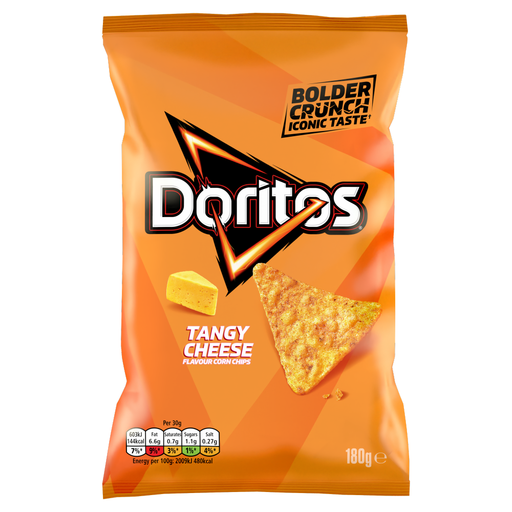
Why This Fits Their Persona: The 180g sharing bag works for parties, game nights and casual gatherings where bold flavour and a substantial serving bowl matter.
The stated 180g quantity and ingredient list make it clear that this is a maize tortilla chip with tangy cheese seasoning, not a baked cheese crisp.
Maize-based tortilla texture; vegetarian formulation; 480 kcal and 0.89g salt per 100g.
We have compiled a complete, real-time list of products that fully satisfy these strict selection criteria and UK safety regulations.
Match the format to the occasion:
Some cheese-based crisps contain very little or no carbohydrate, while cheese-flavoured potato, corn and wheat snacks generally contain considerably more. Check the nutrition panel per 100g and per serving. Also consider fat, saturates and salt rather than judging suitability from the front of the packet alone.
Follow the product’s storage instructions. In general, reseal sharing bags carefully or use an airtight container, then consume within the stated period. Some pure cheese crisps advise immediate consumption or refrigeration after opening. Exposure to air and moisture can soften the texture.
Some are, but not all. Look for a vegetarian suitability statement and read the ingredients for cheese flavourings, enzymes and other components. Vegetarian products can still contain milk, wheat, gluten or soya, so check the allergen declaration for each item before serving.