
24/7 Customer Support

Free returns

Same-day & Next-day Delivery

Quality Guaranteed

Unlock Your Welcome Offers: FREE Delivery | Up to 80% OFF | Free 30-day JoyPlus trial
Download the APP
Cheese snacks can look very similar on the shelf, yet the eating experience, portion size and dietary suitability can vary considerably. A family multipack may work well for lunchboxes, while a strongly seasoned sharing bag may be more suitable for parties. Pet treats require a separate checklist altogether.
Before buying, look beyond the front-of-pack flavour description. The most common mistakes include confusing cheese flavouring with a substantial cheese ingredient, overlooking allergen information and choosing a large pack that loses its crispness before it is finished.
Some products contain a stated percentage of cheese, such as the 10% dried cheese in Jacob’s Original Mini Cheddars or the 15% cheese in Bestore Japanese Rock Cheese Crisps. Others use cheese powder, whey or a seasoning blend. These can all produce a cheesy taste, but they offer different flavour intensity and textures.
Check the ingredients list rather than relying only on words such as “extra cheesy”. If you prefer a mature, savoury flavour, products with cheddar or Parmesan named in the ingredients may be more suitable than lightly seasoned corn snacks.
A 140g or 160g sharing bag may offer useful value for gatherings, but it can be easy to eat more than intended. Once opened, baked cheese snacks, cheesy crisps and cheese crackers can also soften if the bag is not resealed properly.
For lunchboxes, work snacks or controlled portions, individually wrapped packs such as a 12 x 23g multipack can be more practical. For entertaining, a larger bag or a box of individually packed biscuits may reduce waste.
Cheese snacks commonly contain milk, wheat or gluten, and some may also contain soya, egg, mustard, peanuts or other nuts. “Vegetarian” does not mean gluten-free, while a cheese-flavoured product may still contain several cereal ingredients.
Always check the current packaging, particularly if buying for someone with an allergy, coeliac disease or a specific dietary requirement. For young children, follow the age guidance and supervise eating where a choking warning applies.
For a stronger cheese character, compare the stated cheese percentage and type. Morrisons Cheddar Cheese Twists contain 10% cheddar, The Drinks Bakery Parmesan Toasted Pinenut & Basil biscuits contain 10% Parmesan and Morrisons Mature Cheddar Cheese Crumbles list 27% Cheddar cheese.
Flavour also depends on the format. Cheese biscuits and cheese crackers usually provide a firm, crisp bite. Cheese straws and twists offer a lighter, crumbly texture, while cheesy crisps and corn rings tend to be airy or highly crunchy.
UK food labels generally show energy, fat, saturates, carbohydrate, sugars, protein and salt per 100g. Use the per-serving figure where available, but compare products on the same per-100g basis when assessing value or nutritional content.
For example, the listed energy values range from 466 kcal per 100g for Nairn’s Gluten Free Cheese Oatcakes to 607 kcal for Oriental Super Ring Cheese Rings. This does not determine whether a snack suits you, but it illustrates why portion size matters.
Read the bold allergen declaration and the full ingredients list. Nairn’s oatcakes contain milk and oats and are described as gluten-free; they may contain nuts. The Drinks Bakery biscuits contain wheat, milk and pine nuts. Kiddylicious Cheesy Straws are marked for children aged 9 months and over, with supervision advised.
Pet products must never be selected as human snacks. Dog cheese treats and cat cheese treats are complementary pet food, not substitutes for a complete diet. Check the species, age guidance, feeding instructions and storage details before buying.
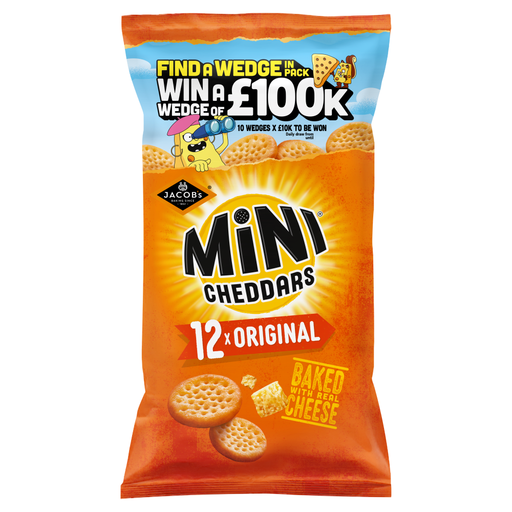
Why This Fits Their Persona: Individually sized packs suit lunchboxes, desk drawers and weekday snacking without opening a full sharing bag.
The multipack format helps with portion planning and reduces repeated exposure to air after opening.
Baked cheese biscuits; 12 x 23g packs; contains 10% dried cheese.
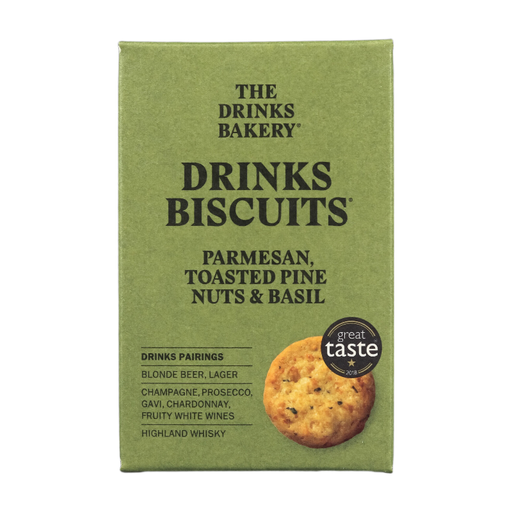
Why This Fits Their Persona: A considered option for a drinks board, dinner party or weekend hosting, with Parmesan, toasted pine nuts and basil.
Its ingredient list identifies the cheese type and percentage, rather than relying only on a generic cheese-flavour description.
Contains 10% Parmesan; suitable for vegetarians; listed serving is approximately four biscuits.

Why This Fits Their Persona: Designed for shoppers seeking gluten-free cheese oatcakes for everyday use, toppings, dips or a savoury lunch.
The product is specifically identified as gluten-free, making it easier to shortlist than snacks with unclear cereal ingredients. Check the pack before purchase.
72% gluten-free wholegrain oats; 15% cheese; 9g fibre per 100g as listed.
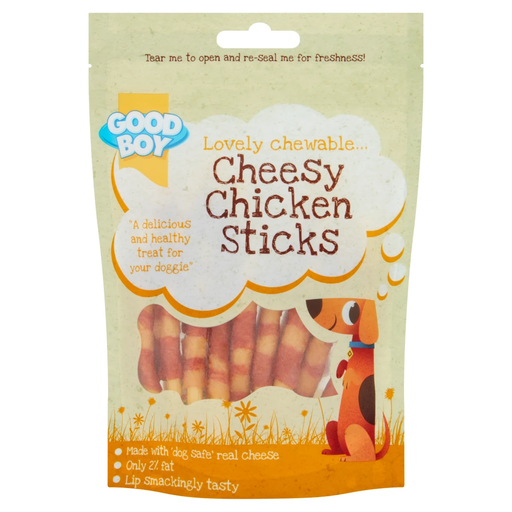
Why This Fits Their Persona: A practical choice for dog owners who want cheese-flavoured pet treats for occasional rewards or training.
It is clearly labelled for dogs, with feeding guidance and a warning that it is not suitable for puppies under 4 months.
Contains 20% cheese and 2% fat; can be used as an occasional treat or training reward.
We have compiled a complete, real-time list of products that fully satisfy these strict selection criteria and UK safety regulations.
Many are, but pack size and allergen information matter. Individually portioned multipacks are convenient, while oatcakes and cheese crackers can be paired with fruit or other lunch items. Check school or workplace allergy policies before packing snacks containing milk, wheat, nuts or peanuts.
Keep dry snacks in a cool, dry place and reseal the packaging. For maximum crispness, an airtight container is useful. Follow the product’s own guidance, as some products recommend consumption within a few days after opening.
Human cheese biscuits, crisps and cheese straws should not be treated as pet food. Dogs and cats have different nutritional requirements, and many human snacks contain salt, seasoning or ingredients unsuitable for animals. Select a labelled dog or cat treat, follow its feeding instructions and keep fresh water available.