
24/7 Customer Support

Free returns

Same-day & Next-day Delivery

Quality Guaranteed

Unlock Your Welcome Offers: FREE Delivery | Up to 80% OFF | Free 30-day JoyPlus trial
Download the APP
By the Joybuy Product Recommendation Officer
Cheese snacks cover far more than standard crisps. UK shoppers can choose from cheese and onion crisps, baked crackers, corn rings, crunchy cheese snacks and individually portioned multipacks. That variety is useful, but it also makes it easy to buy a product that does not suit the occasion, dietary requirements or household budget.
This guide cuts through the packaging claims and focuses on practical details: portion size, ingredients, allergens, texture, storage and whether a bag is designed for one person or sharing.
A 150g sharing bag may appear economical, but it can lose its crunch after opening if it is not resealed properly. A multipack may cost more at checkout while offering clearer portion control and less food waste, particularly for lunchboxes or packed work snacks.
Check the total weight and number of servings, rather than judging value by the size of the outer bag. For example, Hula Hoops Cheese & Onion Multipack Crisps contain six individual 24g bags, while Quavers Cheese 30 x 34g provides 30 separate portions.
Cheese-flavoured snacks can use cheese powder, whey, milk solids, yeast extract, flavourings or a combination of these. These ingredients can create a savoury cheese profile, but they are not interchangeable.
If the cheese source matters to you, read the ingredients list carefully. Serious Pig Crunchy Snacking Cheese with Truffle, for example, lists Italian hard cheese as its main ingredient. Other snacks use potato, corn, wheat or rice as their primary base, with cheese seasoning added afterwards.
Many cheese snacks contain milk, while crackers and pretzel pieces may also contain wheat, barley, oats or gluten. Some products may contain soya, mustard or other traces. Vegetarian suitability also varies by recipe and should be checked on the current packaging or product listing.
Do not rely only on front-of-pack wording. For allergies, always check the ingredients and allergen statement before buying, as formulations and packaging information can change.
For school or office lunches, individually wrapped cheese snack multipacks are usually easier to distribute and store. For film nights, picnics and parties, 140g–150g sharing crisps or snack mixes may be more practical.
Portion sizes also help compare nutrition fairly. A product showing values per 100g can look similar to another snack, while the actual single serving may be very different. Check energy, fat, saturates and salt per serving as well as the per-100g panel.
The base affects texture and suitability:
“Baked” is a preparation description, not an automatic indication that a product is low in calories, salt or fat. Compare the full nutrition panel rather than relying on one marketing term.
Most cheese snacks should be stored in a cool, dry place away from heat and moisture. Once opened, reseal the packet or transfer the contents to an airtight container. This is especially important for sharing crisps and cheese-flavoured snacks, which can soften quickly once exposed to air.
For lunchboxes, check that individual bags are intact. For parties, open only the quantity needed and keep the remaining packs sealed until required.
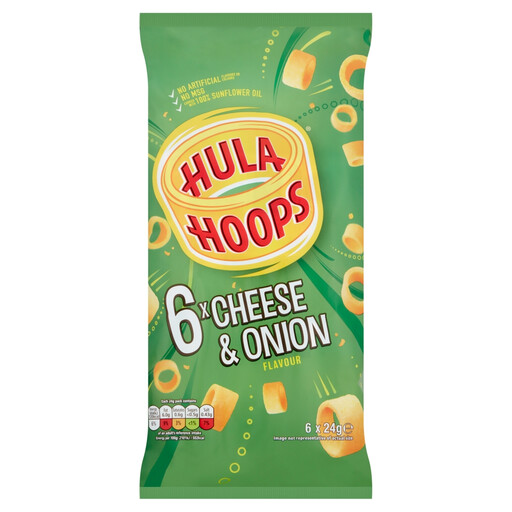
Why This Fits Their Persona: Six 24g bags provide a straightforward format for lunchboxes, weekday snacks and controlled portions without opening a large sharing bag.
The individual packaging makes the serving size visible and reduces reliance on estimates from a large bag.
Vegetarian-friendly listing; six ready-to-pack bags; cheese and onion seasoning with no artificial flavours, colours or added MSG stated in the product information.
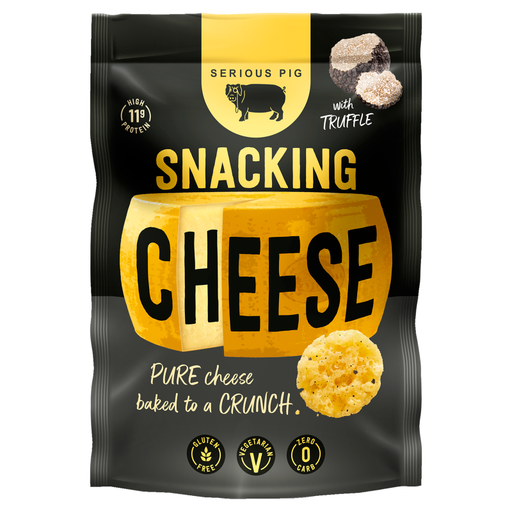
Why This Fits Their Persona: A small single pack suits shoppers seeking a cheese-led snack for a tasting board, drinks pairing or individual treat.
The 24g format makes it clear that this is a concentrated snack portion, rather than a conventional large bag of crisps.
The ingredients list is primarily Italian hard cheese; the product information states 11g protein and 0g carbohydrate per 24g pack.
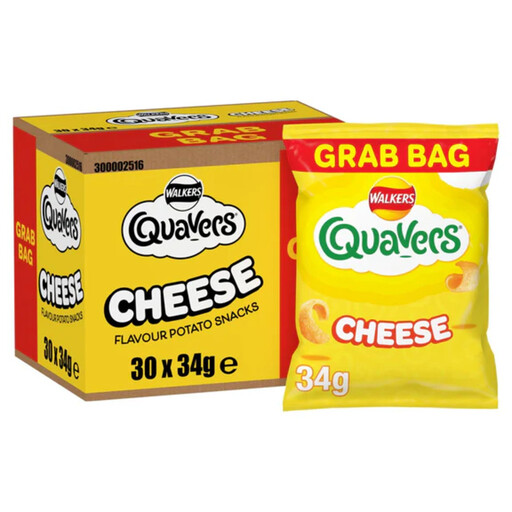
Why This Fits Their Persona: The 30-bag format is suited to households that regularly prepare school lunchboxes, after-school snacks or office drawers.
Individual 34g bags avoid repeatedly opening one family pack and make stock planning easier.
30 x 34g packaging; vegetarian-friendly listing; light, curly potato-snack format.
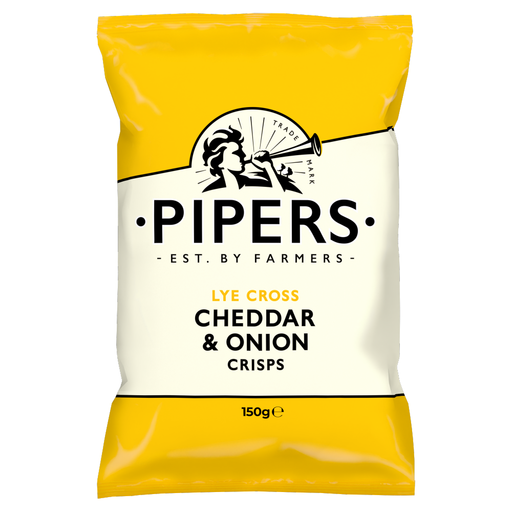
Why This Fits Their Persona: The 150g bag is designed for serving at gatherings, picnics, film nights or alongside drinks.
The stated sharing size makes it more appropriate for a group than buying several small lunchbox packs.
150g sharing bag; made in the UK; listed as gluten free and suitable for vegetarians, with Vegetarian Society approval.
The wider range includes options for different tastes and formats:
We have compiled a complete, real-time list of products that fully satisfy these strict selection criteria and UK safety regulations.
Some are, but not all. Products such as Hula Hoops Cheese & Onion, Pipers Lye Cross Cheddar & Onion, Wotsits Crunchy Cheese and Walkers Cheese & Onion are listed as suitable for vegetarians. Always confirm the latest pack information, especially when buying imported or assorted products.
Individually portioned multipacks are generally easier to pack and distribute. Hula Hoops 6 x 24g, Jacob’s Mini Cheddars 12 x 23g, McCoy’s 12-pack and Quavers 30 x 34g all provide separate bags. Check school policies and allergen requirements before packing snacks for children.
Fold or clip the packet tightly, or transfer the contents to an airtight container. Keep the snack in a cool, dry cupboard away from steam and direct sunlight. For the freshest texture, consume opened crisps and baked cheese snacks within the period stated on the packaging.