
24/7 Customer Support

Free returns

Same-day & Next-day Delivery

Quality Guaranteed

Unlock Your Welcome Offers: FREE Delivery | Up to 80% OFF | Free 30-day JoyPlus trial
Download the APP
Buying cheese boards and chopping boards can seem straightforward until a board warps, stains, slides around the worktop or proves too small for the food you regularly prepare. A board used for Sunday roasts has different requirements from a compact cheese serving platter for guests.
This guide explains the practical details worth checking before you buy, helping you compare a wooden chopping board, bamboo cutting board, marble cheese board with knives and slate cheese board set without relying on exaggerated marketing claims.
A large board may look impressive online but become difficult to store or lift. Conversely, a compact serving board may not provide enough room for cheese, crackers, grapes and charcuterie.
Check the usable surface area, not just the outside dimensions. Handles, grooves and decorative edges reduce the space available for cutting or arranging food. For a board intended for regular meal preparation, consider where it will be stored and whether it fits comfortably beside your sink and hob.
Most wooden and bamboo boards require hand washing only. Prolonged heat and moisture can encourage cracking, splitting or warping. A product that looks durable still needs suitable care.
Look for clear instructions covering hand washing, drying and oiling. Food-safe mineral oil may help maintain the finish of many wooden boards, but always follow the manufacturer’s care guidance. Never leave a wooden food preparation board soaking in the sink.
Material descriptions can sound reassuring, but no board removes the need for proper food hygiene. Use separate areas or boards for raw meat and ready-to-eat ingredients where practical, wash the surface after use and dry it thoroughly.
A non-porous surface such as marble may resist moisture and odours, while wood and bamboo need prompt drying and periodic maintenance. The right choice depends on how you use the board rather than one material being suitable for every task.
A wooden chopping board or bamboo cutting board is generally suited to everyday tasks such as slicing vegetables, preparing bread and chopping herbs. Wood has a warmer appearance and can move easily from the kitchen to the dining table.
An acacia cheese board offers a decorative grain pattern for entertaining, particularly when paired with serving knives. Marble and slate provide a contrasting presentation surface for pale cheeses, fruit and crackers. However, their weight, feel and care requirements differ from timber.
For a board that will be used mainly for cutting, prioritise a smooth, stable surface. For a charcuterie board or cheese serving platter, consider the visual layout, accessories and ease of carrying.
Useful reference points include:
The VVM set includes three sizes: 13 x 9.5 inches, 14.5 x 10.5 inches and 16 x 11.5 inches. Multiple sizes can be useful when you want one kitchen cutting board for vegetables and another for serving or larger preparation tasks.
A juice groove can help contain liquid from tomatoes, citrus fruit or roast meat, reducing spills across the worktop. Handles make a paddle chopping board easier to carry, but they can reduce cutting space.
If you are buying a cheese board set, check exactly what is included. Three or four specialised knives may be more convenient than purchasing tools separately, while integrated storage can prevent loose accessories from being misplaced.

Why This Fits Their Persona: Three board sizes provide a flexible starting point for meal preparation, serving fruit and presenting snacks without immediately buying several separate boards.
The listing clearly states hand wash only, helping buyers avoid assuming it is suitable for a dishwasher. Built-in grooves also address liquid spill concerns.
Set of three sizes; built-in handles and juice grooves; largest board measures 16 x 11.5 inches.
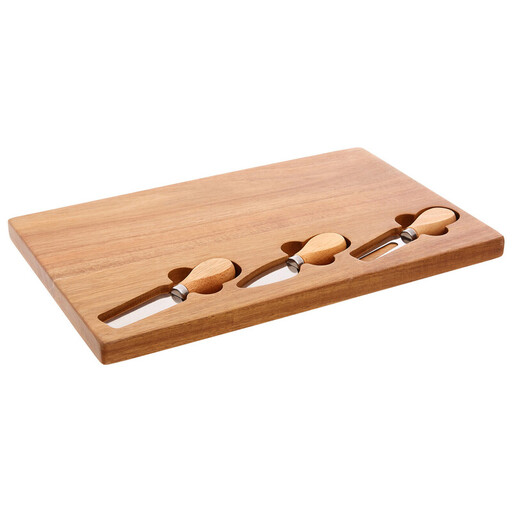
Why This Fits Their Persona: Hosts who want a coordinated cheese serving platter can arrange cheese, charcuterie and accompaniments on a 37 x 23cm acacia board.
The three included stainless steel knives have a dedicated storage compartment, reducing the need to store loose accessories separately.
Solid acacia wood; integrated three-section knife storage; suitable for cheese and charcuterie presentation.
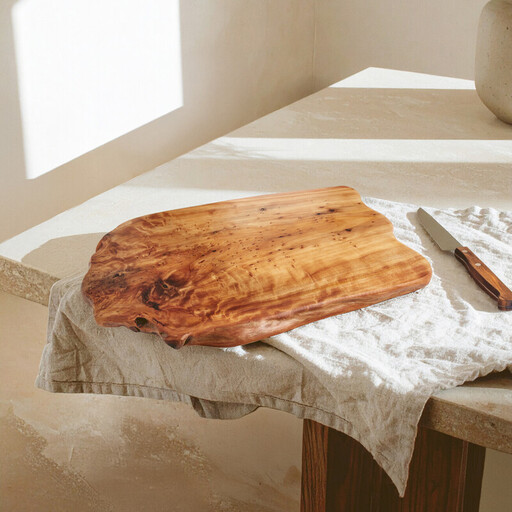
Why This Fits Their Persona: Frequent home cooks and hosts can use the broad 30 x 40cm surface for bread, vegetables, carving and generous serving arrangements.
Its stated dimensions make the available working area easier to judge before purchase, while the solid cedarwood construction is intended for both preparation and serving.
Large smooth surface; natural irregular edges; dual-purpose design; listed weight of approximately 1.16kg.
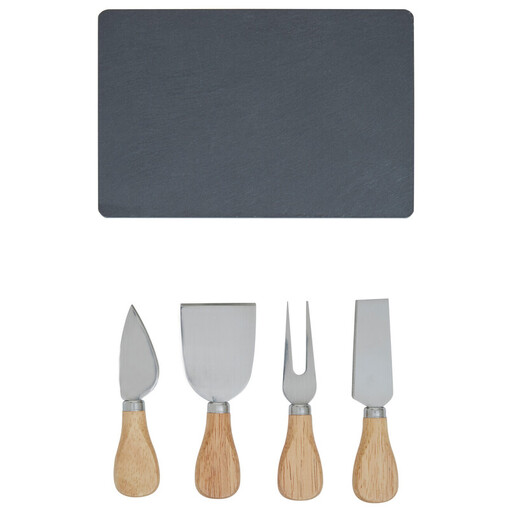
Why This Fits Their Persona: A dark slate surface creates contrast for pale cheeses and fruit, making this set suitable for dinner parties, casual gatherings or a housewarming gift.
The product description specifies four stainless steel cheese knives, so the accessory count is clear rather than implied by the product photography.
Natural slate board; four-piece stainless steel knife set; compact format for smaller entertaining arrangements.
A food preparation board should be stable, easy to clean and large enough for your normal ingredients. If you regularly prepare several items at once, a set of different-sized bamboo boards may be more practical than one decorative platter.
A serving board prioritises presentation and portability. Paddle designs, such as the Maison by Premier Kolkata mango wood board, include an integrated handle and can carry bread, canapés or cheese from the kitchen to the table. Its long 75 x 20cm format is worth checking against your storage space before ordering.
For chilled foods and visually striking presentation, a marble cheese board can be a suitable option. The Maison by Premier fan-shaped marble design measures 21 x 31cm and includes three knives. Marble is heavier than many timber boards, so check that you can lift and store it comfortably.
We have compiled a complete, real-time list of products that fully satisfy these strict selection criteria and UK safety regulations.
Yes, a wooden chopping board can work well for everyday preparation when it is kept dry, washed correctly and maintained according to the manufacturer’s instructions. Choose a size that gives you enough room to work without placing ingredients near the edge.
There is no universal lifespan. Frequency of use, knife marks, moisture, cleaning method and maintenance all affect durability. Replace a board if it develops deep grooves, splits, persistent odours or an uneven surface that is difficult to clean.