Owners using a cold outbuilding
If the cottage’s garage, utility room or other installation space becomes cold while it is empty, start with the exact freezer model’s permitted ambient temperature and installation instructions.


Choose for the installation location before choosing capacity: if the freezer will stand in an unheated garage or outbuilding, check that its exact model is approved for the lowest ambient temperature expected there. Then balance room for the berry harvest against the cottage’s available floor space, and check the normal storage temperature, basket layout, energy information and defrost requirements.
If the cottage’s garage, utility room or other installation space becomes cold while it is empty, start with the exact freezer model’s permitted ambient temperature and installation instructions.
A concentrated harvest calls for space to separate manageable, labelled batches and a freezer that can maintain an appropriate storage temperature.
Extra frozen storage has to fit the room and remain accessible. Compare external dimensions and lid clearance alongside capacity, electricity use and defrost work.
Settle the location question first, particularly if the space is unheated; only then decide how much berry storage fits without taking up more room than the cottage can spare.
| Concern | What to check | Who this matters to |
|---|---|---|
| Cold-location operation | Check the exact model’s minimum permitted ambient temperature and its installation requirements. | If the garage becomes cold between visits, I need a freezer specified for those conditions. Around 36% of consumers put cold-location operation first. |
| Capacity and footprint | Compare capacity in litres with external dimensions, door access and space to open the lid. | A seasonal harvest needs storage, but I cannot give the freezer more floor space than the cottage allows; for around 29% of consumers, that balance is the primary concern. |
| Handling berry batches | Check normal temperature control, room to separate batches and whether a basket is included. | When several batches arrive together, I want to pack and find them without losing track of older bags. Around 21% of consumers put batch handling first. |
| Electricity use and upkeep | Compare annual electricity consumption between similarly sized freezers and check the defrost method. | The freezer may run between cottage visits, and I need its upkeep to be manageable; this is the main concern for around 14% of consumers. |
Low-ambient claims apply to particular models, not to every chest freezer. Beko UK, Fridgemaster, Hoover UK and Haier UK describe such capabilities for specified products or ranges.
Check the exact model’s ambient-temperature limits and installation instructions against the cottage location before ordering.
More litres also mean a different physical appliance. A freezer must fit through the access route and leave room for the lid to open and for the required ventilation.
Measure the route and installation space, then compare external dimensions as well as capacity.
Energy Saving Trust notes that larger appliances can use more electricity even when they share an energy rating.
Compare the annual consumption figures of chest freezers with similar capacities, rather than relying on the letter alone.
Electricity use continues while the freezer is running between cottage visits.
Deep storage makes older batches harder to identify, while a manual-defrost model also needs time set aside for defrosting.
Pack berries in manageable, dated portions, keep older bags accessible and plan for defrosting if the chosen model requires it.
Beko UK lists selected FreezerGuard chest freezers for buyers considering a cold garage or outbuilding.
The MCF198E is a mid-capacity option with Fridgemaster’s Winter Guard outbuilding positioning.
The HHCH 200 ELK offers another mid-capacity model with a stated low-ambient operating condition.
Haier UK lists chest freezers from 300 to 508 litres for buyers considering a larger store.
These chest freezers span smaller berry-overflow storage and larger seasonal capacity. For any model destined for an unheated space, confirm its permitted ambient conditions and normal storage-temperature setting before choosing by size.
 No image available
Consider this capacity for a larger seasonal berry store if the freezer fits the cottage. Check the permitted ambient conditions, normal storage setting and defrost requirements for the intended location.
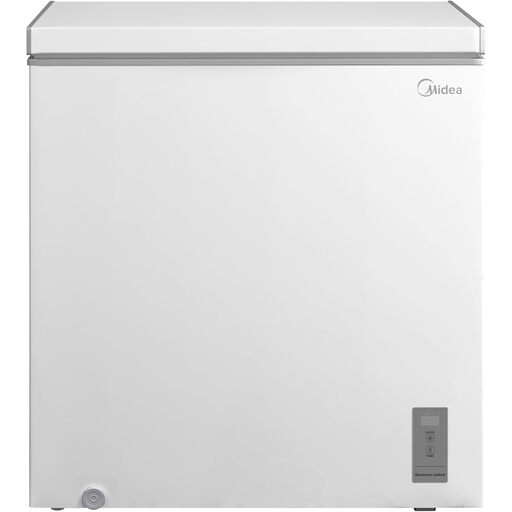 No image available
The 198L capacity is worth considering for repeated berry batches where a larger freezer would take too much room. Confirm its installation conditions, normal storage setting, annual electricity consumption and defrost method.
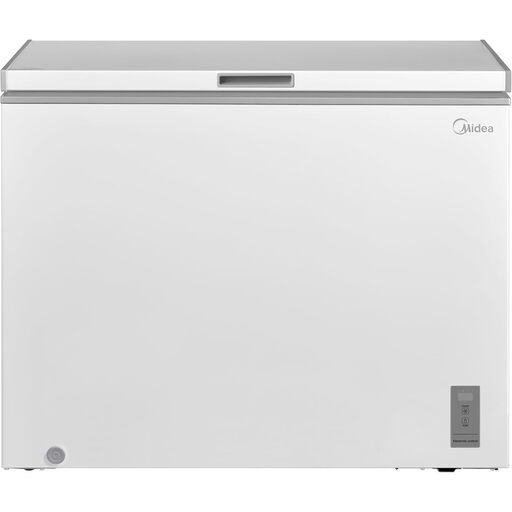 No image available
The 249L capacity provides another size to assess for a substantial seasonal harvest. Measure the available space and confirm the permitted ambient conditions, normal storage setting, annual electricity consumption and defrost method.
 No image available
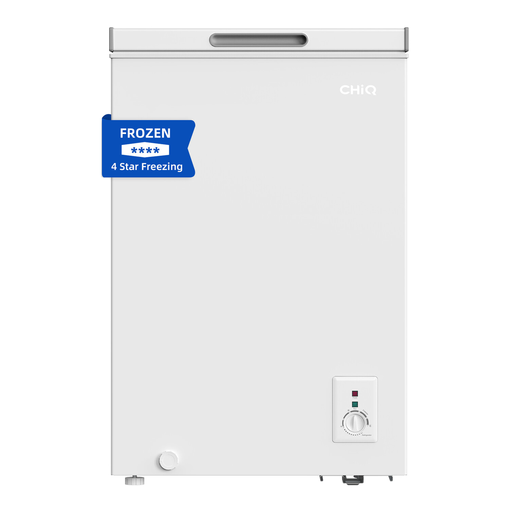
This smaller-capacity option may suit berry overflow where floor space is limited. Before placing it in an unheated area, check the exact model’s permitted ambient temperature; also confirm its normal storage setting, annual electricity consumption and defrost method.
 No image available
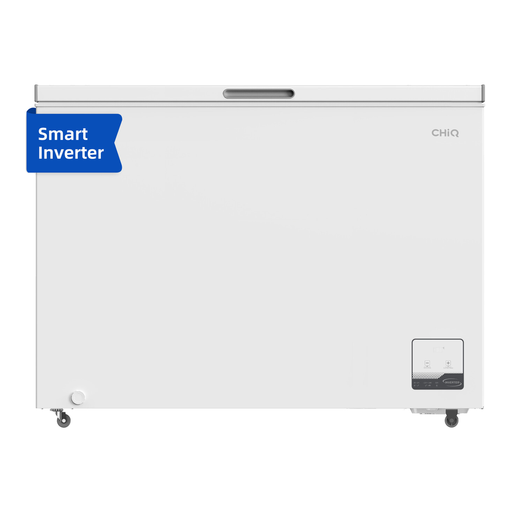
Consider this capacity if the cottage has room for a larger berry store. Check the model’s ambient-temperature limits and normal storage setting separately, along with its annual electricity consumption and defrost method.
No: choose an exact model specified for the lowest ambient temperature expected in that location, and follow its installation instructions. Low-ambient claims from manufacturers such as Beko UK and Hoover UK apply to particular models, not the whole category.
Aim to maintain a normal storage temperature of around −18°C. GOV.UK’s home-food guidance gives around −18°C as the freezer temperature; an appliance’s minimum ambient operating temperature or special freezing function is a separate specification.
Divide berries into manageable portions and label the containers or bags so batches remain identifiable. GOV.UK’s food-business freezing guidance advises smaller portions and labelling; for berries kept for personal use, these are practical organisation steps rather than a rule for choosing freezer capacity.
If supplying the berries forms part of a food business, check the requirements that apply to that activity rather than relying only on household guidance. GOV.UK’s food-business freezing guidance addresses matters including portioning and labelling; the applicable obligations depend on how the berries are supplied.