Shared-kitchen batch bakers
If several people freeze biscuit dough regularly, you need room to load new batches without burying older ones and a labelling system everyone can follow.


For regularly loaded biscuit dough, choose a chest freezer around the containers you need to store and a workable system for identifying and separating batches. Consider a temperature warning and a rapid-freezing function, but check the delivery route, installation clearances and suitability for the intended location before choosing a model; in a food business, appliance features do not replace storage and allergen controls.
If several people freeze biscuit dough regularly, you need room to load new batches without burying older ones and a labelling system everyone can follow.
When recipes or users share storage, closed, clearly identified containers and separation matter. Food Standards Agency MyHACCP guidance advises protecting foods from allergen cross-contamination.
Extra capacity is useful only if the freezer can pass through the access route and leave enough room for installation and opening the lid.
Start with the largest batch you need to store, then check how users will identify and retrieve dough; only then compare capacity with the space available for the freezer.
| Concern | What to check | Who this matters to |
|---|---|---|
| Shared storage and identification | Check whether closed, labelled containers fit and whether baskets or dividers will keep batches accessible. Consider a temperature warning. | When several people store different doughs, I need to recognise each batch and keep allergen-containing ingredients separate; around 36% of consumers put shared-storage control first. |
| Batch capacity and loading | Measure your largest tubs or trays against the opening and usable storage space. Check for a rapid-freezing function if you regularly add substantial batches. | If I load several tubs after production, I need room for new dough without burying older batches; roughly 29% of consumers prioritise batch capacity and loading. |
| Fit and location | Measure doorways, floor space and lid-opening room, then check installation clearances and the exact model’s permitted ambient conditions. | A freezer must fit through our doors and leave the shared route usable; about 21% of consumers make physical fit and location their primary concern. |
| Defrosting and energy use | Check the defrost method and annual energy-consumption figure for the exact model, and decide who will handle stock during maintenance. | If defrosting interrupts our production schedule, I need a manageable maintenance plan; around 14% of consumers put upkeep and energy use first. |
Capacity can change the footprint considerably: the 143-litre Logik L145CFW25 is listed at 60 cm wide, while Hotpoint lists its 371-litre HPCF 3714 UK at 133 cm wide.
Measure doorways, turns, the final floor space and room above the lid, then check the exact model’s installation clearances.
Shared handling and unclear containers can still lead to batch mix-ups or allergen cross-contamination. Food Standards Agency MyHACCP guidance calls for control of allergen-containing ingredients.
Use closed, labelled containers and defined storage areas; if the kitchen operates as a food business, include these steps in its food-safety controls.
Low-ambient operation is model-specific. Beko and Hotpoint describe selected models or technologies suitable for ambient temperatures down to -15°C, not every chest freezer they sell.
Check the exact model’s stated operating range against the intended location and follow its installation instructions.
The Beko CF4198W and Logik L145CFW25 are listed as manual-defrost models. Hotpoint says Low Frost reduces ice build-up on its cited HPCF 3714 UK model.
Agree who will defrost the appliance and where dough will go while it is out of service.
Moving the stock and cleaning the freezer take time, even when defrosting is planned.
Beko’s UK chest-freezer range includes models aimed at kitchens, utility rooms and outbuildings.
Hotpoint offers larger chest-freezer options, including the 371-litre HPCF 3714 UK.
Haier’s UK chest-freezer collection includes medium and larger-capacity models.
These chest freezers offer different stated capacities for storing biscuit-dough batches. Compare their dimensions and confirm the features your shared-kitchen routine requires before choosing.
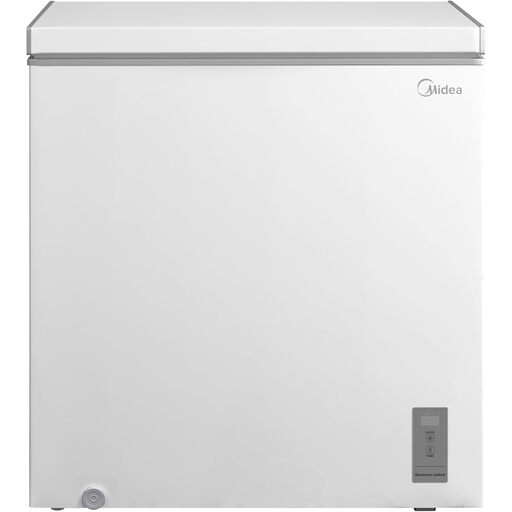 No image available
Consider this size if your labelled dough containers fit a 198L freezer; check their dimensions against the usable interior before ordering.
The product title states an E energy rating. Confirm the defrost method and whether a temperature warning is available if either matters to your team.
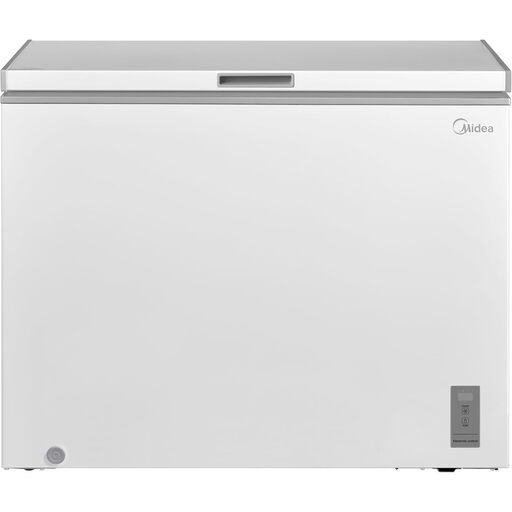 No image available
For larger recurring batches, compare your container sizes and delivery route with this 249L model before allocating shared storage space.
The product title states an E energy rating. Check the defrost method and temperature-warning provision for the exact model.
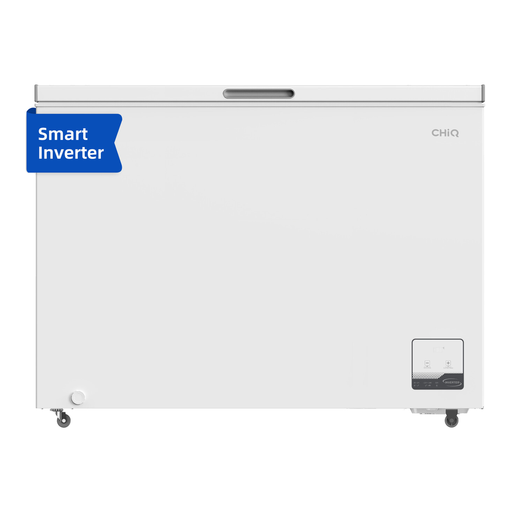 No image available
If several substantial batches need space at once, check whether your planned containers fit this 299L model without making older dough difficult to retrieve.
Confirm its temperature-warning provision, defrost method and permitted ambient range for the intended location. A freezing-function claim alone does not establish results for a particular dough load.
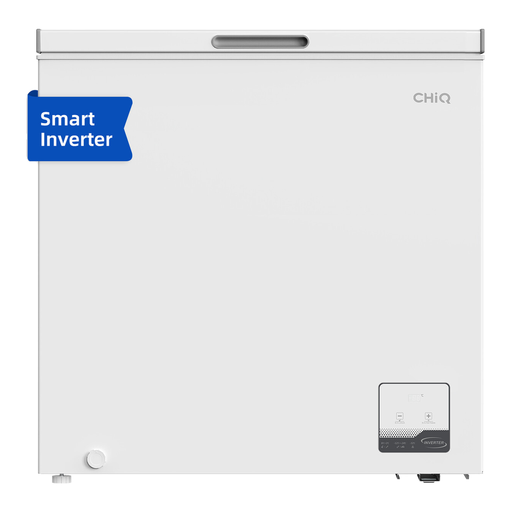 No image available
For regular batches where floor space is limited, check whether your containers and a clear rotation system will work within this 199L model.
The product title states an E energy rating. Confirm the temperature-warning provision, defrost method and ambient operating range before choosing its location.
 No image available
For a larger dough stock, measure the access route and planned storage area carefully before choosing this wide, 297L model.
Plan how the team will move stock for manual defrosting. If it will stand in a cold outbuilding, confirm the exact model’s operating range and installation requirements; also check whether it has a temperature warning.
The Food Standards Agency gives -18°C as the recommended temperature for domestic freezers. If the dough is part of a food business, define suitable storage conditions, packaging, shelf life and temperature checks for your recipe and process rather than relying on a setpoint alone.
Sharing a kitchen alone does not determine whether your activity is a food business; what you do with the food matters. Food Standards Scotland says food businesses in Scotland must register with their local authority at least 28 days before opening, while GOV.UK advises registration at least 28 days before trading. Check your activity and premises requirements with the relevant local authority.
Store batches in closed, clearly labelled containers and use a consistent system for identifying and rotating them. Where allergens differ, keep the handling and separation arrangements clear to everyone using the freezer; Food Standards Agency MyHACCP guidance advises protecting foods from allergen cross-contamination.
Only choose that location if the exact model’s stated ambient operating range covers the conditions there. Beko and Hotpoint describe selected models or technologies suitable down to -15°C, but that rating does not apply to every chest freezer.
Low Frost is worth considering when finding time to empty and defrost a shared freezer would disrupt batch storage. Hotpoint says its Low Frost design reduces ice build-up; check the particular model’s dimensions and maintenance requirements alongside that feature.