Shared-kitchen batch freezers
If you blanch and freeze beans regularly, the appliance needs to fit without obstructing other people’s access to cupboards, walkways or the freezer itself.


Choose a chest freezer that holds the green-bean batches you expect to freeze while leaving enough floor space and lid clearance for everyone using the kitchen. Compare capacity, organisation, annual energy information and defrost method for each model; consider a garage or outbuilding only when that model’s stated operating conditions suit the location.
If you blanch and freeze beans regularly, the appliance needs to fit without obstructing other people’s access to cupboards, walkways or the freezer itself.
Larger harvests or bulk purchases call for enough space for labelled portions and a way to retrieve older food before it becomes buried.
Moving frozen storage out of the kitchen makes the intended room’s temperatures part of the decision. Check the operating conditions stated for the exact model.
Start with the space available and the amount each resident needs to store. Then compare the work involved in sharing and maintaining the freezer.
| Concern | What to check | Who this matters to |
|---|---|---|
| Footprint and access | Measure the appliance space, route in and lid-opening clearance before choosing a capacity. | I need to load beans without blocking a shared walkway or cupboard; around 36% of consumers put space and access first. |
| Batch capacity | Compare freezer volume with planned portions and check stated freezing capacity if you add substantial fresh batches at once. | When several batches arrive close together, I need room for them alongside everyone else’s food. Around 29% of consumers prioritise batch capacity. |
| Organisation and upkeep | Check baskets and defrost method, then agree how residents will label, rotate and maintain their storage. | If small portions get buried or nobody takes responsibility for upkeep, sharing becomes difficult; organisation and maintenance come first for around 21% of consumers. |
| Energy and location | Read the exact model’s annual kWh information and confirm its stated ambient-temperature conditions if it will sit outside the kitchen. | I want to assess continuous electricity use or place the freezer in another room; around 14% of consumers make energy information or location their primary concern. |
A larger cavity is of little use if the lid cannot open comfortably or the freezer obstructs people moving through the room.
Measure the floor space, access route and lid-opening area first, then choose a capacity that fits the planned batches.
Ambient-temperature capability varies by model; a feature stated for one freezer cannot be assumed for another.
Compare the intended location’s temperatures with the exact model’s installation instructions before placing it in a garage or outbuilding.
Bags of green beans can be hard to find when residents’ portions and older batches are mixed together.
Check the basket arrangement and agree labelled storage areas and a rotation routine before the freezer fills up.
An energy-class letter does not show how much electricity an exact model is stated to use annually or whether it meets the required capacity.
Compare the energy label and product information for models that can all fit the room and hold the food you intend to freeze.
Beko’s CF4371 illustrates a larger chest-freezer option: Beko UK lists 371 litres of freezer volume.
Hotpoint UK describes open chest storage that may appeal to households freezing bulky bags or larger batches.
Indesit UK lists both a compact 99-litre OS 2A 100 2 UK 2 and a larger 255-litre OS 2A 250 H2 1.
The Hisense FT280WN3SGD is an example to examine if freezer storage may need to move outside the shared kitchen.
These chest freezers span compact and larger capacities for households planning shared storage of blanched green beans. Check each model against your batch sizes, available floor space and lid clearance.
 No image available
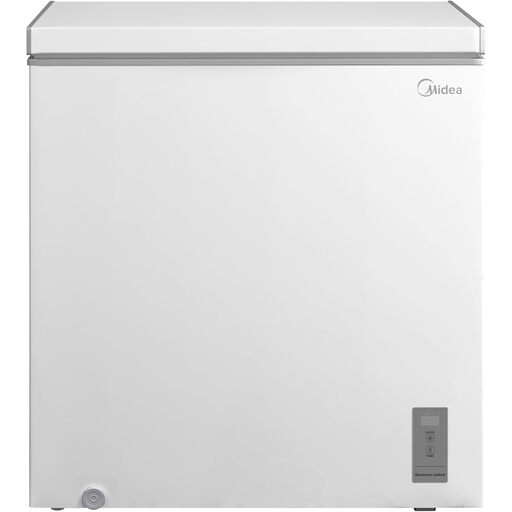
Consider its 198-litre volume if several residents need space for regular portions; check how you would divide the cavity before buying.
Energy class E. Measure the space needed to open the lid as well as the appliance footprint.
 No image available
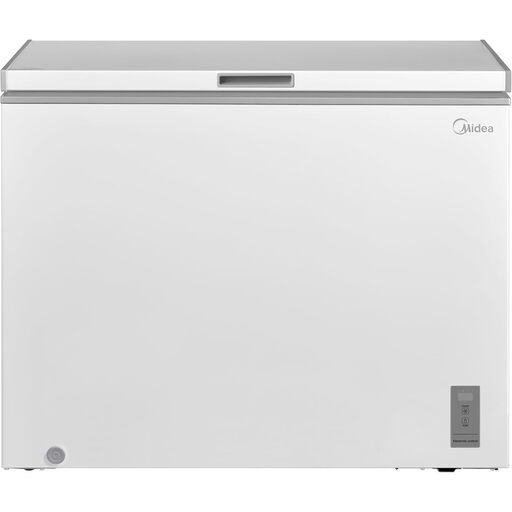
Its 249-litre volume is worth assessing if residents freeze larger recurring batches, provided the appliance leaves enough shared access space.
Energy class E. Check the exact dimensions and lid clearance against the intended position.
 No image available
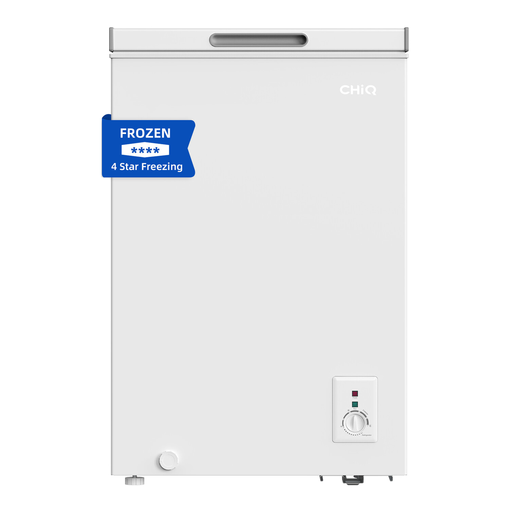
For modest batches in a constrained shared kitchen, compare its 99-litre volume with the portions everyone expects to keep.
Energy class E. Confirm the installation space and whether the planned location suits the model’s instructions.
 No image available
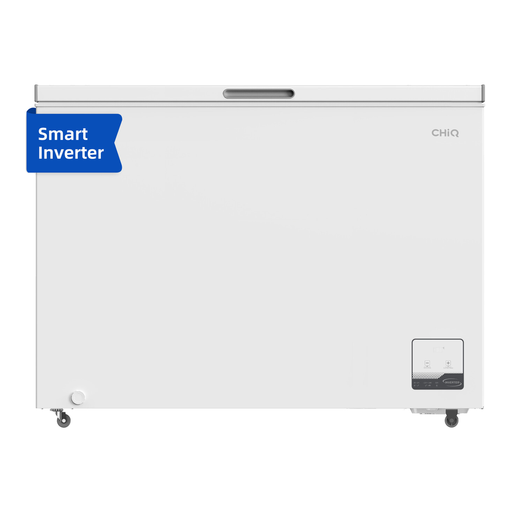
Assess its 299-litre volume for larger batches or bulk storage, while allowing room to reach and organise food throughout the cavity.
Measure the route in, floor space and lid clearance. Check the installation instructions before choosing an outbuilding location.
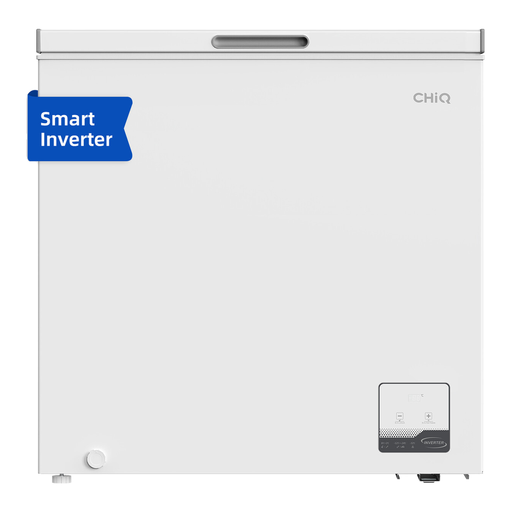 No image available
Its 199-litre volume offers another size to assess for recurring batches; plan how residents will separate and retrieve their portions.
Energy class E. Check lid clearance and the model’s stated conditions for the intended location.
Cool the prepared beans promptly, pack them in sealed, manageable portions and label each portion with its contents and date. Agree where each resident’s food goes so older portions remain easy to find. NHS guidance on batch-cooked baby food also emphasises prompt cooling before cold storage, though its specific timing advice is written for that context.
Follow the freezer’s operating instructions and check that its temperature setting suits frozen-food storage. NHS food-safety advice for immunocompromised patients specifies a freezer temperature below -18°C; that guidance has a particular audience and does not replace the appliance instructions.
No: check the ambient-temperature and installation conditions for the exact model against the garage’s likely temperatures. The listing describes Winter Guard operation down to -15°C for the Hisense FT280WN3SGD, but that capability cannot be assumed for another freezer.
Agree responsibility for labelling, cleaning and defrosting before the freezer is filled. Check the exact model’s defrost method, then decide who will carry out any required maintenance and how residents will access their food while it is done.
Compare the energy label and product information for exact models that meet the same space and storage needs, paying attention to stated annual consumption as well as energy class. GOV.UK guidance says an energy label must be displayed at the point of sale for products covered by the applicable energy-information rules.