What should you check before buying?
Plan the space needed for rolls and other meals, measure where the freezer will stand, then compare the upkeep and energy information for models that fit.
| Concern |
What to check |
Who this matters to |
| Capacity and organisation |
List the food you will store besides rolls. Compare capacity in litres and check how you would keep frequently used food accessible. |
If I regularly freeze meals as well as rolls, I need room to separate them without losing track of what is underneath. Around 42% of consumers put organised capacity first. |
| Fit and placement |
Measure the delivery route, floor space and clearance above the lid. For an unheated location, check the exact model’s stated operating conditions. |
A freezer is useful to me only if it fits through the doorway and works where I plan to put it; around 33% of consumers make placement their primary concern. |
| Energy and upkeep |
Compare the current energy label and annual consumption, then check the defrost method and any stated power-failure storage time. |
If I will use the freezer year-round, I want to understand its energy information and whether I will need to defrost it manually. Roughly 25% of consumers prioritise running and maintenance needs. |
Joybuy chest freezer options
These chest freezers offer capacity for bread rolls alongside other family-meal food, from around 198L to larger options for households planning more substantial frozen storage. Choose by the food you will keep and the space the appliance can occupy.
 No image available
Hisense FC386D4AWLE 297L Chest Freezer, White
Consider the 297L capacity if rolls will share space with substantial quantities of other frozen food. This wide freestanding model needs a careful check of the delivery route, floor space and lid clearance.
View on Joybuy
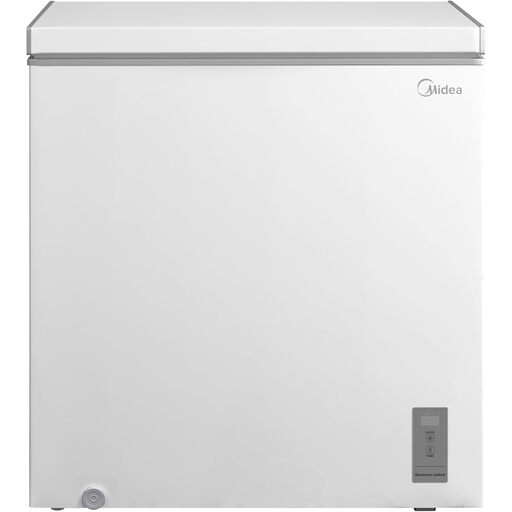 No image available
Midea MDRC284FZE01 198L Chest Freezer, White
The 198L capacity is an option for keeping rolls with regular family-meal food. Its title states an E energy rating; compare annual energy consumption and check the defrost method if either affects your choice. Confirm the installation conditions if it will stand somewhere unheated.
View on Joybuy
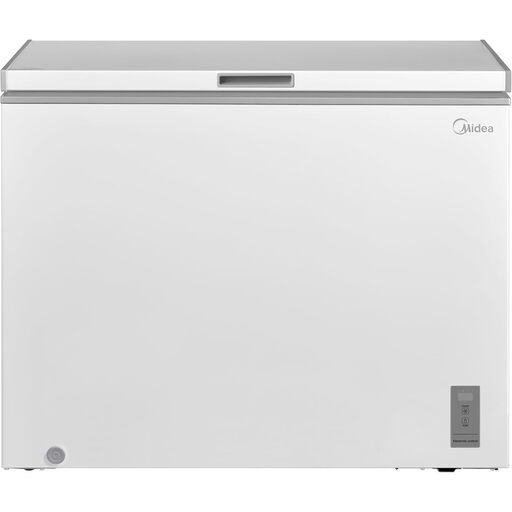 No image available
Midea MDRC345FZE01 249L Chest Freezer, White
Choose the 249L capacity only if the food stored alongside rolls calls for more room than a roughly 198L model provides. Its title states an E energy rating. Measure the available width and lid clearance, and check the defrost method and installation conditions that matter to you.
View on Joybuy
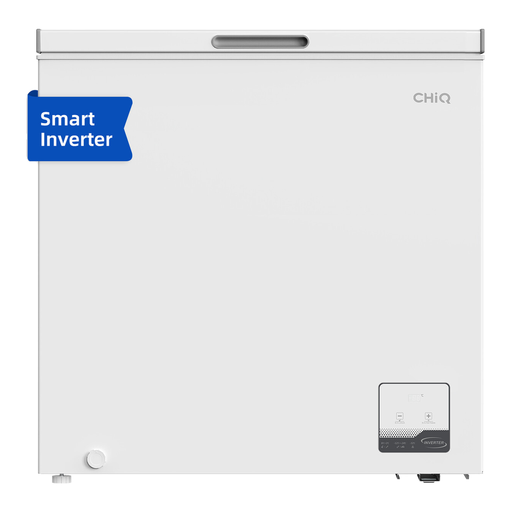 No image available
CHiQ JKR199DWE 199L Digital Inverter Chest Freezer, White
The 199L capacity suits consideration for rolls and other family-meal food without moving to a substantially larger freezer. Its title states an E energy rating. Check the exact dimensions and lid clearance; if you need cold-garage placement or reduced defrost work, confirm those requirements for this model.
View on Joybuy
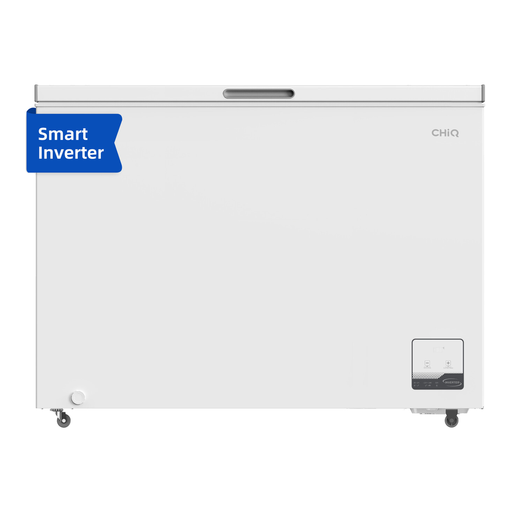 No image available
CHiQ JKR299DWE 299L Digital Inverter Chest Freezer, White
The 299L capacity is more relevant if bread rolls are a small part of a larger batch-cooking or bulk-storage plan. Joybuy lists this model as 112.5cm wide, 83.5cm high and 61cm deep; allow room for access and lid opening. Check its energy information, defrost method and cold-location suitability against your requirements.
View on Joybuy
Frequently asked questions
How much capacity do I need for bread rolls and family meals?
Choose capacity for the rolls plus the other food you intend to freeze, rather than for household size alone. Current listings from Hoover, Russell Hobbs and Joybuy include examples around 137L, 196–198L and 299L; compare their dimensions and how you would organise the contents before deciding.
Can a chest freezer go in a garage or shed?
It can go there when the exact model is specified for the temperatures expected in that location and its installation instructions permit the placement. Beko states that its CF4198 operates down to −15°C, as does Hoover for the HHCH 200 ELK; neither statement establishes suitability for another model.
What energy information should I compare?
Compare models using their current A–G energy labels, annual energy-consumption figures and capacities. The current scale replaced earlier label conventions, so do not treat an older A++ marking as directly equivalent to a grade on the current scale.
What should I do with frozen food during a power cut?
Keep the freezer closed as much as possible. The Food Standards Agency and Food Standards Scotland estimate that food in a full, closed freezer can remain frozen for up to 48 hours, or around 24 hours if it is half-full; actual conditions vary, so follow applicable food-safety advice before deciding whether thawed food can be used.


