Space-limited batch freezers
If you freeze occasional portions of blanched broccoli, measure the appliance and its required clearance rather than choosing the largest capacity that appears to fit the floor space.


A compact chest freezer of around 99L can suit occasional portions of blanched broccoli in a shared kitchen; a roughly 300L model makes more sense for substantial shared stock with a dedicated space. Measure the cabinet location, ventilation clearance and room to open the lid before choosing capacity, then plan how everyone will label and reach their food.
If you freeze occasional portions of blanched broccoli, measure the appliance and its required clearance rather than choosing the largest capacity that appears to fit the floor space.
If several people use the freezer, labelled portions and agreed storage zones can help everyone find their food without digging through someone else’s batches.
If you regularly freeze harvests or substantial batches of prepared food, a larger chest freezer calls for a dedicated location and a system for rotating stock.
Start with the available space, then decide how much shared food needs organising and how often you will add a substantial batch of cooled broccoli.
| Concern | What to check | Who this matters to |
|---|---|---|
| Fit and clearance | Measure the access route, cabinet space, open-lid area and the exact model’s ventilation clearances. | If kitchen space is tight, I need a freezer that leaves room for everyone to use the kitchen. Around 42% of consumers put fit first. |
| Shared access | Look for useful baskets and accessible controls; agree on labels and storage zones. | When several people store food together, I need to find my broccoli without moving their supplies. Roughly 33% of consumers prioritise shared access. |
| Batch freezing | Check temperature controls and whether the exact model has a fast-freeze setting if you often add large batches. | If I regularly freeze substantial portions, I need a way to manage each new load while keeping existing food organised. About 25% of consumers put batch freezing first. |
A cabinet can fit the available floor area yet leave too little room for ventilation or for its lid to open. Side, rear and overhead clearances are specified for the Russell Hobbs RH99CF0E1W; other models need their own installation checks.
Measure the route into the room and the final position, then compare both with the exact model’s installation instructions.
Older broccoli portions can end up beneath newer food, particularly when several people share the appliance. A basket helps with access but does not identify whose food is inside.
Pack flat, dated portions and agree on user zones or a stock-rotation routine.
Outbuilding suitability depends on the model’s stated ambient operating range. Statesman specifies operation down to -15°C for its CHF100; that figure does not apply to other freezers.
Check the exact model’s ambient-temperature instructions against conditions in the intended location.
A fast-freeze setting does not replace cooling and portioning prepared broccoli before loading. Food Standards Agency guidance for England, Northern Ireland and Wales advises cooling warm food and dividing it into smaller portions before freezing.
Cool the broccoli, pack it in smaller labelled portions and follow the appliance instructions for freezing a new batch.
The MDRC154FZE01 is a 99L reference point for buyers considering compact chest-freezer capacity.
The 99L CHF100 is relevant if the freezer would stand in a suitable outbuilding rather than the kitchen.
The 300L HCE301E UK is a reference for substantial shared supplies kept in a dedicated space.
The 99L RH99CF0E1W offers another compact-capacity reference when checking shared-kitchen fit.
These models span compact capacity and larger shared-storage options. Choose the size that fits your location and batch routine rather than treating the product order as a capacity ranking.
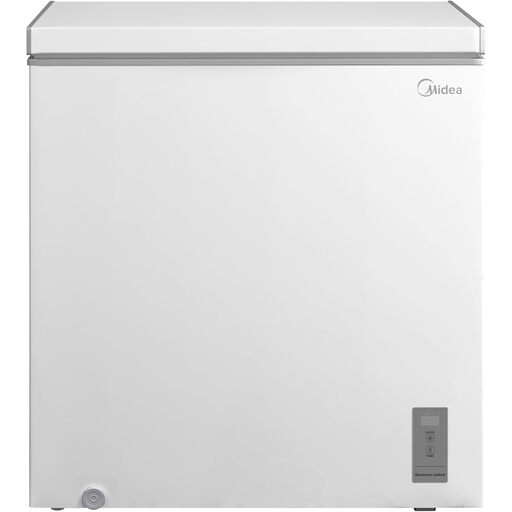 No image available
Consider this capacity if several users need more storage than a compact 99L cabinet and have room for the appliance. It is E-rated; check installation clearance, lid space and temperature-setting instructions for this model.
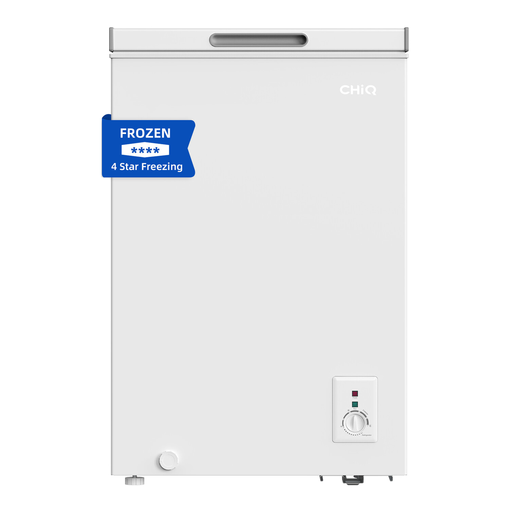 No image available
The 99L capacity is worth considering for modest broccoli batches where shared floor space is limited. It is E-rated; confirm the full installation space and how to set and check its normal storage temperature.
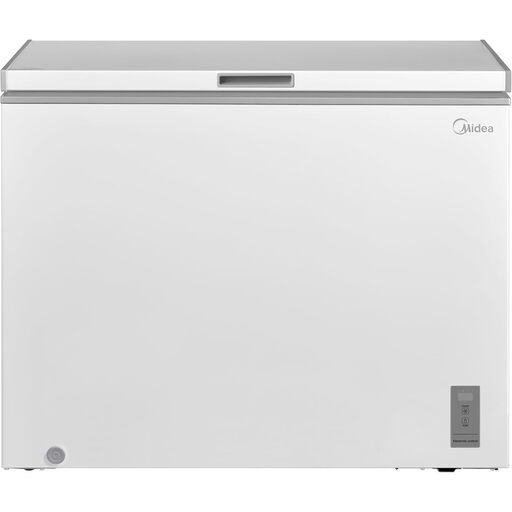 No image available
Consider 249L when regular batches and other users’ food justify a larger shared store. It is E-rated; measure the intended location and lid-opening area, and check the model’s clearance and temperature instructions.
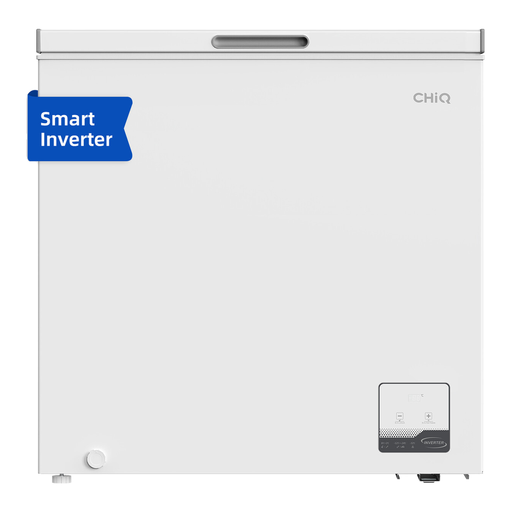 No image available
This capacity may suit moderate shared supplies if a 99L freezer would be too small. It is E-rated; check clearance and the instructions for normal freezer storage settings before choosing a location.
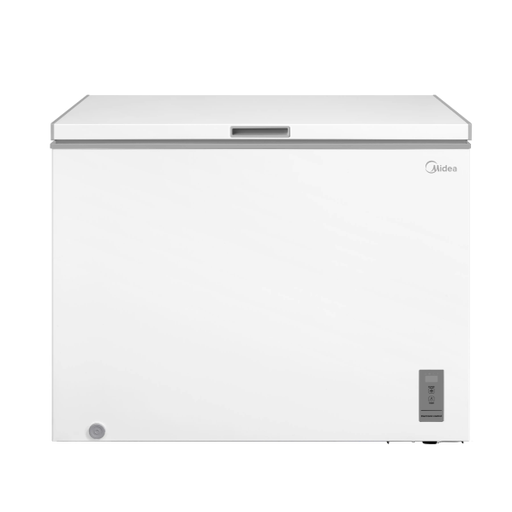 No image available
Consider this larger capacity for substantial shared stock in a dedicated location, rather than a few broccoli portions in a crowded kitchen. It is E-rated; measure access and installation space and check the normal storage-temperature setting.
Aim for a freezer temperature around -18°C under Food Standards Agency guidance for England, Northern Ireland and Wales. Check the appliance instructions to establish how its controls correspond to temperature; a dial number alone is not a temperature reading.
Cool it first, then divide it into smaller portions in suitable containers or freezer bags. The Food Standards Agency advises cooling warm food before freezing and portioning it rather than loading one large warm batch.
Not necessarily for a few small, cooled portions; the setting is more relevant if you regularly add a substantial batch. Check whether the exact model offers it, and still cool and portion the broccoli before loading.
Only if the exact model is specified for the ambient temperatures it will encounter there. Statesman rates the CHF100 for operation down to -15°C, but that rating cannot be applied to another chest freezer.
Sharing a kitchen for residents’ own food is different from operating a food business. If you intend to prepare or store food as part of a business, check the applicable registration requirements with the relevant local authority before starting; the Food Standards Agency provides food-business registration guidance.