Seasonal herb growers with bulk storage needs
If repeated harvests share freezer space with batch-cooked meals or bulk groceries, capacity matters alongside a way to keep small herb portions near the top.


Choose a chest freezer according to how much food you will store alongside chopped herbs: small portions alone do not call for a large open cavity, while repeated harvests and bulk groceries may justify more capacity. Plan how you will keep labelled portions accessible, follow Food Standards Agency guidance to keep the freezer around −18°C, and check the exact model’s permitted ambient conditions before placing it in an unheated garage or outbuilding.
If repeated harvests share freezer space with batch-cooked meals or bulk groceries, capacity matters alongside a way to keep small herb portions near the top.
If you mainly freeze chopped herbs in cubes or small bags, compare a compact chest freezer with the space already available in your fridge-freezer before committing floor space to another appliance.
If the freezer will stand outside a heated room, choose by the exact model’s stated ambient operating conditions, not by its chest-freezer design alone.
For chopped herbs, decide how much other food needs storing before choosing a capacity. Then check whether the freezer fits its intended position and whether that position meets the model’s operating conditions.
| Concern | What to check | Who this matters to |
|---|---|---|
| Capacity and access | Compare freezer volume and the arrangement of baskets or bins for labelled herb portions. | When harvests arrive repeatedly and herbs share space with meals or groceries, I need room without losing small packs beneath larger food; around 42% of consumers put bulk storage and access first. |
| Footprint and placement | Measure the external dimensions, access route and space needed to lift the lid. | If floor space is tight, I want overflow storage for herb portions without making the room awkward to use; roughly 33% of consumers prioritise fit. |
| Unheated locations | Check the exact model’s permitted ambient temperature against the expected conditions in the garage or outbuilding. | For a freezer kept away from the heated kitchen, I need its operating conditions to suit that location; about 25% of consumers put cold-location suitability first. |
Cold conditions may fall outside a particular model’s operating range. A chest-freezer label alone does not establish garage suitability.
Read the exact model’s ambient-temperature specification and installation instructions, then compare them with the intended location.
Published examples differ markedly in width: Joybuy lists the 99L CHiQ JKR99DWE at 54.5cm, Beko lists the 198L CF4198 at 91cm, and Haier lists the 294L HCE300NFEK at 120.5cm.
Measure the floor space, route into the room and clearance above the open lid against the dimensions of the model you intend to buy.
An open chest can accommodate larger items, but herb cubes and small bags need a place where you can retrieve them.
Portion and label the herbs, then keep their bags together in an accessible basket or bin.
An energy class alone does not tell you the annual consumption figure for a particular freezer.
Compare the current A-to-G labels and stated annual energy consumption for the exact models under consideration.
Beko has chest-freezer options worth comparing when capacity and an explicitly stated low-ambient operating range both matter.
Haier’s HCE300NFEK is a larger-capacity option for consumers specifically seeking a chest model listed with No Frost.
Hotpoint’s chest-freezer range is relevant if an open cavity for larger frozen items is part of the plan.
These chest freezers have stated capacities from 198L to 299L and are relevant when chopped herbs share space with other frozen food. Compare their dimensions and exact installation conditions rather than assuming that every model suits an unheated location.
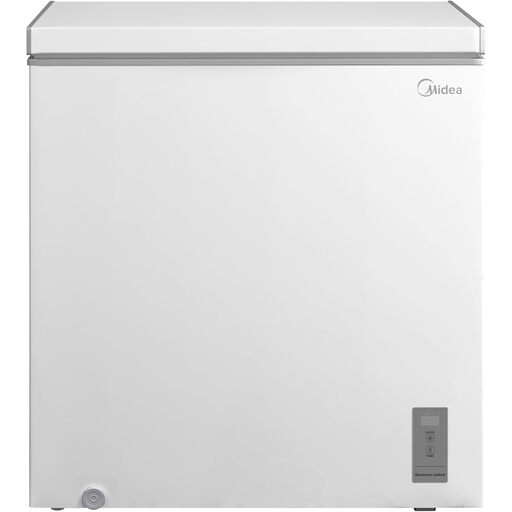 No image available
Consider this capacity when herb portions need to share space with other frozen food. The product name states an E energy class; check the exact model’s storage layout, operating settings and installation conditions for your intended use.
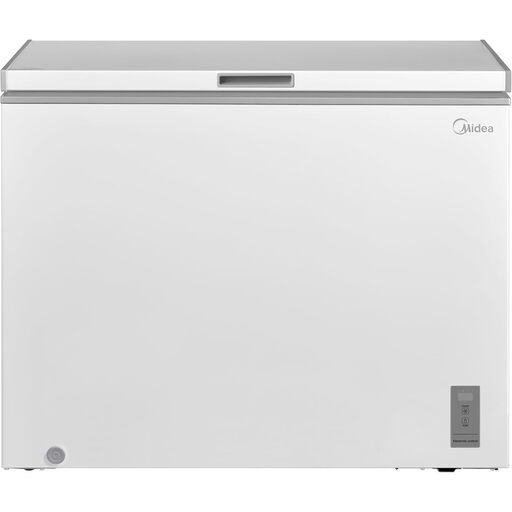 No image available
This capacity may suit repeated herb harvests stored alongside batch-cooked meals or groceries. The product name states an E energy class; compare its dimensions, annual energy consumption and permitted ambient conditions with your intended location.
 No image available
This wide, freestanding model is worth considering when herbs form part of a larger frozen-food store. Check its footprint, lid clearance and how you would keep small portions accessible; if using an unheated location, read the exact model’s installation conditions.
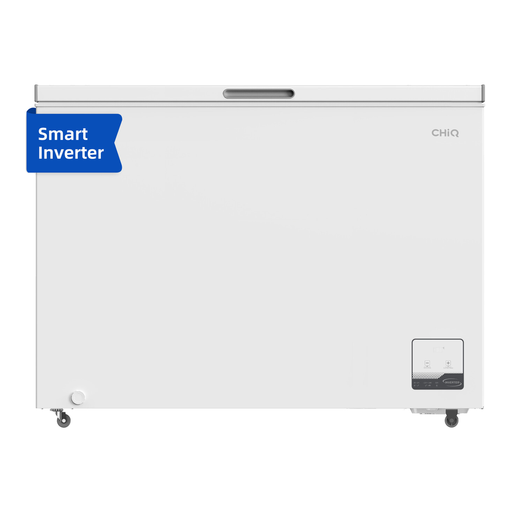 No image available
Consider this capacity for frequent harvests that share space with other frozen food. Plan a separate, accessible place for herb portions, and check the operating settings, annual energy consumption and permitted ambient conditions for your intended installation.
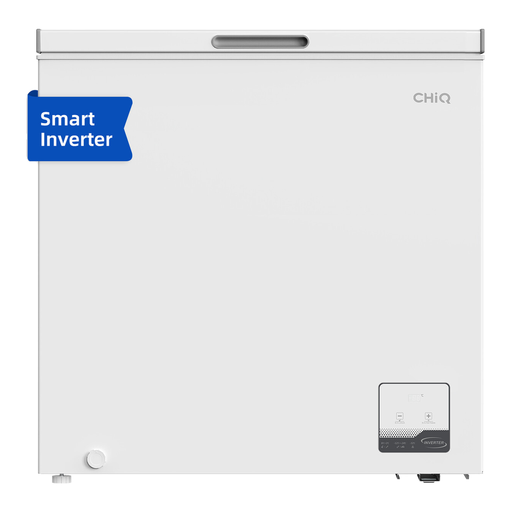 No image available
This capacity is relevant to seasonal herb freezing alongside other household food. The product name states an E energy class; check the storage arrangement, annual energy consumption and permitted ambient conditions before deciding where to place it.
Not necessarily: portioned herbs can be stored in small bags or ice-cube trays, so assess whether your existing freezer has enough room first. A larger chest freezer becomes more relevant when you also need space for repeated harvests, meals or bulk groceries.
Aim to keep the freezer around −18°C, in line with Food Standards Agency guidance published on GOV.UK. Check the appliance instructions for its freezer setting rather than treating an advertised special freezing function as its everyday storage temperature.
Freeze chopped herbs in portions and move the frozen portions into clearly labelled bags. BBC Gardeners’ World Magazine describes using ice-cube trays with water; in a chest freezer, keeping the bags together near the top makes them easier to retrieve.
No: check the exact model’s permitted ambient-temperature range against the conditions where it will stand. Beko states operation down to −15°C for its CF4198, and Haier states the same for its HCE300NFEK; neither claim applies automatically to other models.
Compare the current A-to-G energy label together with the annual energy-consumption figure for each exact model. Check the product information available with the listing rather than choosing on the energy class alone.