Regular batch-compote makers
If you freeze several cooled portions at once, consider how your containers will fit, how you will keep dated portions accessible and whether the model has a rapid-freeze function for fresh additions.


Choose a chest freezer that fits both your planned compote portions and the space available for the appliance. If you regularly add newly cooled batches, check the exact model for a rapid-freeze function; if it will stand in an unheated outbuilding, its stated operating-temperature range matters more than a general description of it as a chest freezer. No Frost and Low Frost also mean different things for future defrosting work.
If you freeze several cooled portions at once, consider how your containers will fit, how you will keep dated portions accessible and whether the model has a rapid-freeze function for fresh additions.
If you would rather spend less time dealing with ice build-up, check the exact defrost system. Low Frost reduces build-up; it does not mean the same thing as No Frost.
If the freezer will stand outside a heated room, match the model’s stated ambient-temperature range and installation instructions to that location.
Start with the portions you need to store and where the freezer will stand. Then decide whether frequent fresh batches or reduced defrosting work calls for particular features.
| Concern | What to check | Who this matters to |
|---|---|---|
| Fresh batches | Check the exact model for Fast Freeze or an equivalent function and follow its instructions for adding cooled food. | If I make compote regularly, I want each cooled batch ready to freeze without treating a rapid-freeze setting as a substitute for cooling it first. Around 40% of consumers put fresh-batch freezing first. |
| Space and access | Compare capacity and baskets with your container sizes; measure the appliance’s footprint and lid-opening clearance. | When I freeze many labelled portions, I need to retrieve older tubs without burying them beneath newer ones. For around 30% of consumers, accessible storage is the primary concern. |
| Placement and upkeep | For an unheated location, check the permitted ambient temperature; check whether the exact model is No Frost, Low Frost or manual defrost. | If my freezer will stand in a cold outbuilding or I want less defrosting work, those operating conditions shape my choice. Placement and upkeep come first for around 30% of consumers. |
A low-temperature operating claim applies to the particular model carrying it, not to all chest freezers.
Before choosing an unheated location, compare its expected temperature with the model’s stated range and installation instructions.
Capacity does not tell you whether the freezer fits its intended space or whether labelled compote portions will be easy to reach.
Measure the available width, depth and lid-opening space, then compare the interior layout with your tubs or pouches.
Fast Freeze is a freezer function for fresh additions. NHS guidance for batch-cooked baby food says to cool food, ideally within 1 to 2 hours, before refrigerating or freezing it.
Portion and cool the compote promptly, then follow the freezer manual if you use its rapid-freeze function.
Low Frost reduces ice build-up but does not remove the possibility of manual defrosting.
If avoiding manual defrosting matters to you, check for No Frost on the exact model rather than relying on a similar-sounding feature name.
A freezer that needs manual defrosting also requires time and somewhere suitable to keep its contents cold during the task.
Beko offers chest-freezer models aimed at buyers considering a cold garage or similar location.
Hotpoint’s chest-freezer range includes open interiors intended for bulk storage.
The Haier HCE300NFEK is one model to examine if storage volume and reduced defrosting work are priorities.
These chest freezers offer different stated capacities for storing portioned compote. Choose by the space you need, then check the exact model’s freezing, defrosting and placement instructions against your plans.
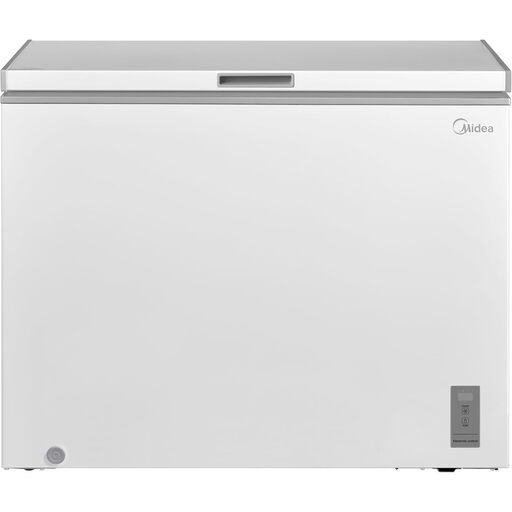 No image available
Consider this model for storing several batches of portioned compote. Its stated capacity is 249 litres; check the defrost method and installation instructions before deciding whether it suits your location and upkeep preferences.
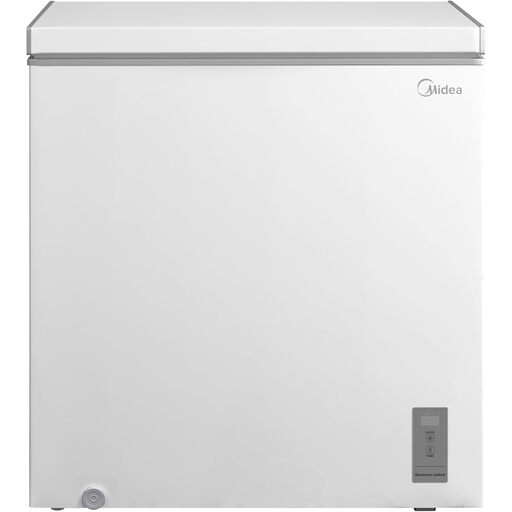 No image available
This model is worth considering if 198 litres accommodates your planned compote portions. Check the defrost method, appliance dimensions and lid clearance for your intended space.
 No image available
Consider its stated 297-litre capacity if you freeze compote alongside other food. Measure the space for this wide model and check how its defrosting requirements fit your routine.
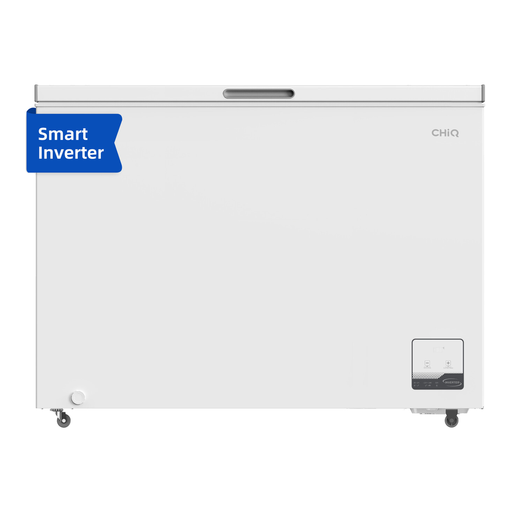 No image available
The stated 299-litre capacity may suit larger collections of portioned compote. Before relying on it for frequent fresh batches or an unheated location, check the manual’s freezing functions and permitted ambient temperatures; check its defrost method too.
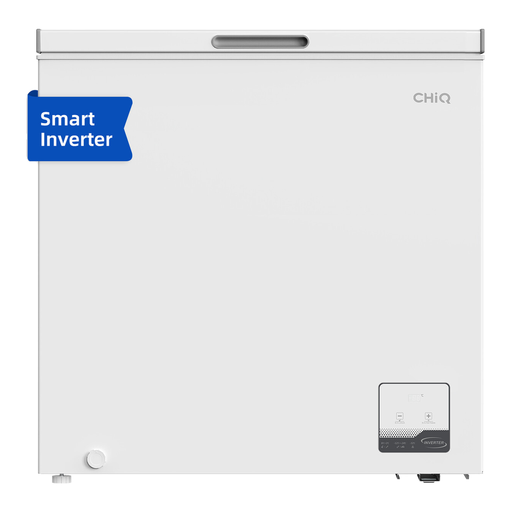 No image available
Consider the stated 199-litre capacity if it fits your planned portions and available space. Check the manual before treating its low-temperature function as a selectable Fast Freeze mode, and confirm the defrost method and permitted location.
Cool it first. NHS guidance for batch-cooked baby food advises cooling food, ideally within 1 to 2 hours, before refrigerating or freezing it; divide the compote into suitable portions rather than using a freezer’s rapid-freeze setting to replace that step.
It needs an appropriate stated operating range if you plan to keep it in an unheated garage or outbuilding. Check the exact model’s documentation against the temperatures expected there; a claim for one model does not apply to the whole category.
No. Low Frost reduces ice build-up and can mean less frequent defrosting, whereas No Frost is intended to avoid manual ice removal. Check which system the exact chest-freezer model specifies.
Thaw it in the fridge rather than at room temperature. For food prepared for a baby, NHS guidance says to use defrosted food within 24 hours and to follow its additional cooling and reheating advice.