Regular curry batch-cookers
If you cook several portions at once, plan for the space the cooled, packaged meals will occupy alongside your other frozen food. Baskets or labelled stacks can help you find older portions before adding another batch.


Choose a chest freezer that fits both your usual batch size and the space where it will stand; if you freeze portions frequently, consider how you will organise them and whether temperature warnings or fast-freeze controls matter to you. Cool curry in smaller portions before freezing and aim to keep the freezer around −18°C, as advised by the Food Standards Agency. For a garage or outbuilding, check the exact model’s stated ambient operating range rather than assuming any chest freezer will work there.
If you cook several portions at once, plan for the space the cooled, packaged meals will occupy alongside your other frozen food. Baskets or labelled stacks can help you find older portions before adding another batch.
If the freezer cannot go in the kitchen, its stated minimum ambient operating temperature becomes a purchase condition. Check that rating against the intended location, then allow for the installation clearances required by the exact model.
If you want to spend less time defrosting and sorting through meals, compare the defrost system and storage baskets as well as capacity. Low Frost and No Frost describe different approaches, so check which one the model actually offers.
Start with a safe cooling and portioning routine, then size the freezer for your normal batches and its installation space. After that, weigh the location and upkeep features you will use.
| Concern | What to check | Who this matters to |
|---|---|---|
| Cooling and freezing | Plan for small, sealed portions that can be cooled before freezing. Check how you will set or monitor a storage temperature around −18°C, the point given in Food Standards Agency guidance. | I want to freeze a newly cooked batch without putting a large warm container straight into the freezer. Around 36% of consumers put safe cooling and freezing first. |
| Capacity and access | Compare stated volume with the space your usual portions and other food need; measure the floor area, delivery route and lid clearance. | When I prepare several meals at once, I need room to store them without burying older portions. For around 29% of consumers, workable capacity is the primary concern. |
| Outbuilding location | Confirm the exact model’s minimum ambient operating temperature and follow its installation and ventilation instructions. | If the garage is my only available space, I need a freezer rated for the temperatures it may experience. Garage suitability comes first for around 21% of consumers. |
| Upkeep and energy | Compare annual kWh alongside capacity, then check the defrost system and any stated power-failure storage period. | I would rather plan around defrosting, electricity use and possible outages than choose by volume alone. Around 14% of consumers prioritise those ongoing considerations. |
A deep, warm container takes longer to cool and can warm the freezer compartment. Freezing also does not undo problems caused by unsafe handling beforehand.
Follow Food Standards Agency guidance by dividing the curry into smaller, shallow portions and cooling it before freezing. Seal and date each portion so you can rotate your meals.
A garage can fall outside an appliance’s specified ambient operating range, even though the space feels cold enough for food storage.
Check the minimum ambient rating, required clearances and installation instructions for the exact model before committing to that location.
A freezer still needs to fit through the access route and leave room to open its lid. Energy Saving Trust also notes that larger appliances can use more energy even when they share an energy rating.
Measure the site and compare annual kWh alongside capacity. Choose enough space for your realistic batches and a way to reach older portions.
Feature descriptions can differ even for listings bearing the same model number, which matters if you are relying on a particular freezing function or power-cut storage figure.
Confirm the full model number and the features that matter to you on the final product details and manufacturer documentation before ordering.
The CF4308 is a 308-litre chest freezer to consider when both batch storage and a low-ambient location matter.
The 371-litre HPCF 3714 UK is relevant if large batches make storage volume a priority.
The 294-litre HCE300NFEK Series 7 is a chest freezer to examine if avoiding manual defrosting matters more than having the largest stated volume.
The 297-litre FC386D4AWLE is relevant if you want chest-freezer storage with baskets and are considering an outbuilding location.
These chest freezers offer different stated capacities for storing cooled, packaged curry portions. Match the space you need to your installation area, then check the controls and maintenance requirements that matter to your routine.
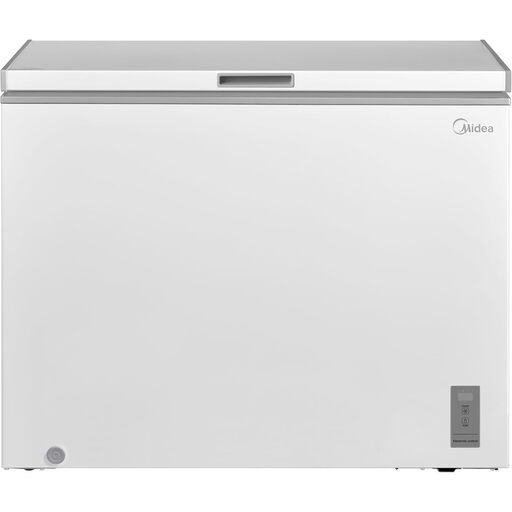 No image available
Consider its stated 249 L capacity if you regularly store several batches alongside other frozen food; check how the portions will be arranged inside.
The title lists an E energy rating. Compare annual kWh and confirm the freezer’s temperature settings and installation requirements before buying.
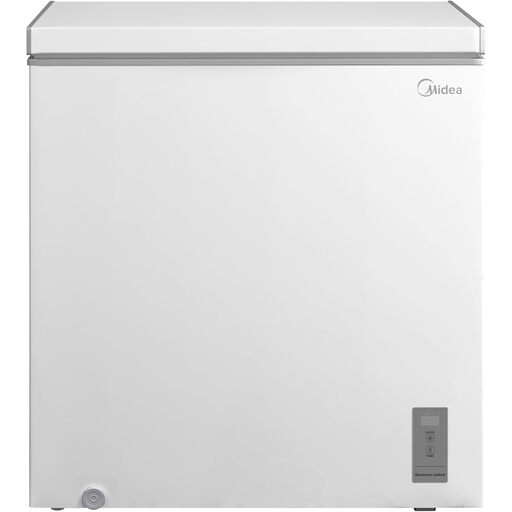 No image available
Its stated 198 L capacity is worth considering if your portion storage needs are smaller; compare it with the space needed for your other frozen food.
The title lists an E energy rating. Check annual kWh, temperature settings and whether its internal arrangement suits labelled portions.
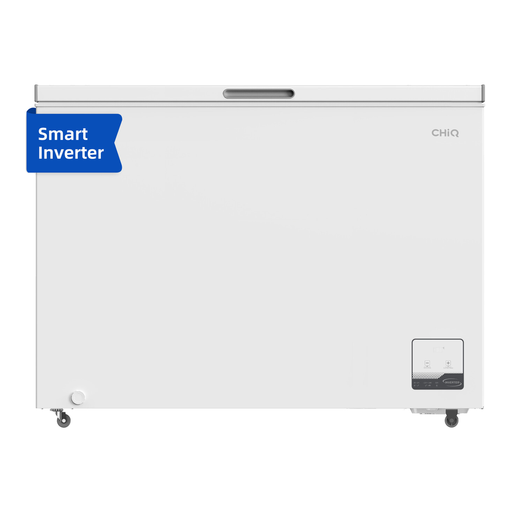 No image available
The stated 299 L capacity may suit larger batches, provided the cabinet fits your floor space and you can organise portions for rotation.
Check its temperature settings, annual kWh and defrosting requirements before deciding whether it suits your routine.
 No image available
For an outbuilding location, check whether this model’s stated operation down to −15°C ambient covers the conditions at your site. The specification lists two baskets for organising its 297 L of storage.
This model is listed as manual defrost. Confirm its temperature settings and any fast-freeze or power-failure storage figure before relying on those features.
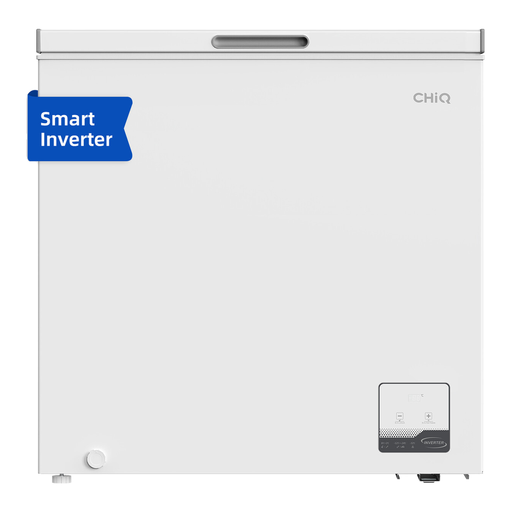 No image available
The stated 199 L capacity is an option for smaller batches; measure the installation area and allow space to open the lid.
The title lists an E energy rating. Check annual kWh, temperature settings and defrosting requirements alongside the capacity.
Cool it before freezing rather than putting a large warm pan in the appliance. Food Standards Agency guidance advises dividing food into smaller portions so it cools more quickly, then freezing leftovers and homemade food as soon as possible.
Aim to keep the freezer around −18°C, in line with Food Standards Agency guidance. Freezing stops most bacteria growing but does not necessarily kill them, so cooling and handling the curry properly before storage still matter.
It can if the exact model is specified to operate at the ambient temperatures your garage may reach. Check its installation manual for the operating range, ventilation clearances and other site requirements; a cold garage is not automatically suitable.
Either can work if the portions are suitably sized, sealed and dated. Smaller portions help food cool more quickly under Food Standards Agency guidance; choose packaging you can stack and retrieve without losing track of older meals.
Compare annual kWh alongside capacity rather than choosing by the A-to-G rating alone. Energy Saving Trust notes that larger appliances can use more energy even when they have the same rating, so consider how much freezer space your usual batches actually need.