Shared-kitchen batch cooks
People freezing cooled vegetable stock for several users need room for labelled portions and a way to keep containers from becoming mixed up or buried.


Choose a chest freezer after measuring the available space and estimating how many labelled containers of cooled vegetable stock must fit at once. More capacity can accommodate larger batches, but a deeper shared store needs a clear system for identifying and rotating stock; the freezer does not replace an appropriate cooling and temperature-control process.
People freezing cooled vegetable stock for several users need room for labelled portions and a way to keep containers from becoming mixed up or buried.
Where the kitchen, utility area or shared circulation space is narrow, external dimensions and lid clearance matter alongside stated capacity.
People responsible for preparing, storing or distributing food as an organised operation need to plan suitable cooling and freezing facilities and temperature controls. The Food Standards Agency’s MyHACCP guidance addresses these facilities as part of food-operation planning.
For cooled vegetable stock in a shared kitchen, establish the cooling and monitoring process first, then size the freezer around the containers, available space and arrangements for shared access.
| Concern | What to check | Who this matters to |
|---|---|---|
| Cooling and temperature control | Agree how stock is cooled before freezing, who checks storage temperature and who responds to a problem. | If I am responsible for the kitchen’s food-handling process, I need the freezer to fit an established cooling and monitoring routine rather than stand in for one. Around 36% of consumers put that process first. |
| Capacity and footprint | Count the containers held at one time; measure the position, delivery route and lid-opening space against the model’s external dimensions. | When several batches must fit without obstructing a shared kitchen, I need enough container space within the floor area available. This is the primary concern for around 29% of consumers. |
| Shared access and organisation | Consider baskets and lid usability, then set rules for contents, date and ownership labels and stock rotation. | If several people retrieve stock, I want to find the right portion without leaving older containers buried. Around 21% of consumers prioritise shared access and organisation. |
| Upkeep and placement | Check the exact model’s defrost method and installation instructions, particularly if the intended location is unheated. | If emptying the freezer for maintenance would disrupt our stock, or the installation area gets cold, I need a model and upkeep plan that suit that location. Around 14% of consumers make upkeep and placement their first concern. |
Capacity does not tell you whether the freezer can pass through the delivery route, fit its position or open fully without obstructing the kitchen.
Measure the floor area, doorways, delivery route and lid-opening clearance before narrowing down the capacity.
For food operations, the Food Standards Agency’s MyHACCP guidance calls for adequate facilities for cooling and freezing food. A freezer feature alone does not establish how prepared stock is cooled or monitored.
Assign responsibility for cooling, labelling, temperature checks and responding to problems before shared use begins.
Installation suitability varies by model. Beko states that its CF4198 operates in ambient temperatures down to −15°C, while the Indesit OS 2A 100 2 UK 2 is listed as unsuitable for an unheated area.
Check the exact model’s instructions against temperatures at the intended location rather than relying on its brand or freezer type.
Manual defrost requires a plan for moving stock, and older labelled containers can become difficult to reach in a deep cavity.
Decide where stock will go during defrosting and use durable date-and-owner labels with a first-in-first-out arrangement.
The CF4198 is a 198 L option to consider when the installation location may be unheated.
The HCE520EK is a 508 L model for kitchens with consistently substantial storage needs.
The OS 2A 100 2 UK 2 offers a compact 97 L format for smaller batches.
The JKR299DWE is a 299 L option for a larger reserve of labelled stock.
The MDRC411FZE01 is a 293 L option where the stated 106.5 cm width fits the kitchen.
These Joybuy chest freezers range from 99 L to 299 L for different amounts of shared stock. Compare their stated capacities with your container count and measured space; keep the kitchen’s cooling, labelling and temperature-checking process separate from the appliance choice.
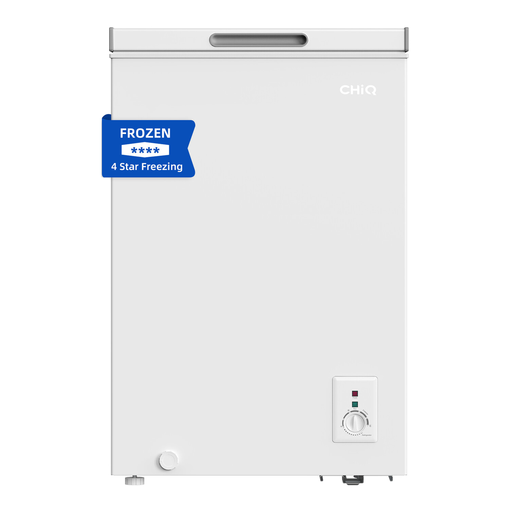 Image unavailable
Consider this 99 L model when batches are modest and space for a shared freezer is limited.
Check the installation dimensions, defrost method and temperature-monitoring arrangements for your kitchen before ordering.
 Image unavailable
Consider this 297 L freestanding model if several users need a larger reserve of labelled portions.
Measure its full installation space and check the exact model’s defrost and temperature-warning arrangements against the kitchen’s upkeep plan.
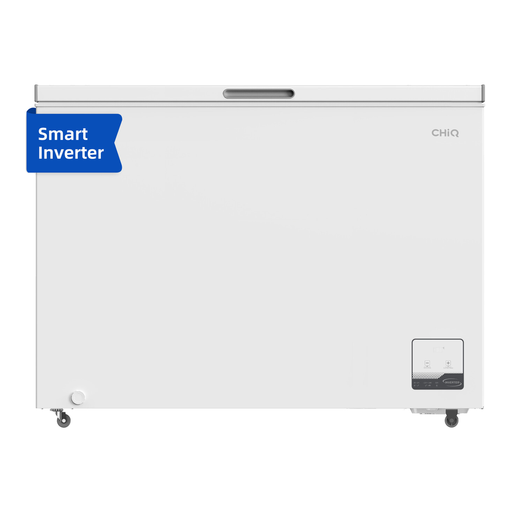 Image unavailable
For a larger shared stock reserve, this 299 L model is worth comparing with the kitchen’s container count and access plan.
The Joybuy listing states a 112.5 cm width, digital controls and a counterbalanced lid. Check the required clearance and defrost arrangements before ordering.
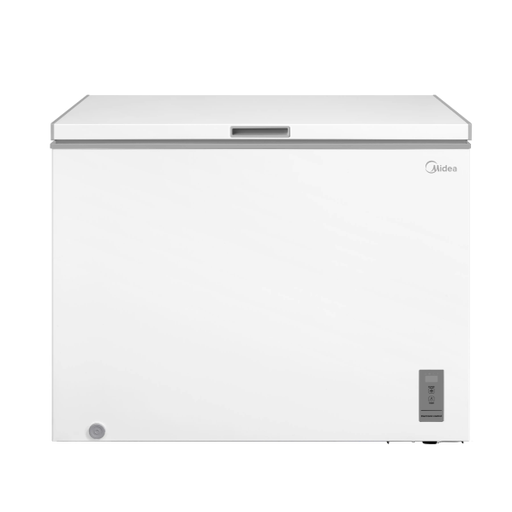 Image unavailable
This 293 L model suits consideration where a substantial stock reserve is needed and its stated width fits the space.
The Joybuy listing states a 106.5 cm width and electronic controls. Allow for lid clearance and check the defrost method for your maintenance plan.
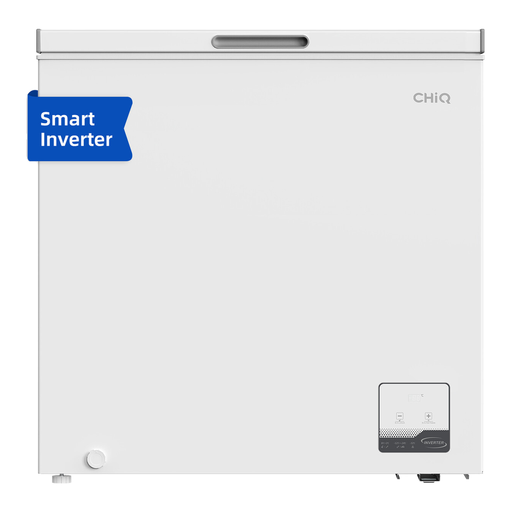 Image unavailable
Consider this 199 L model when the shared stock needs more room than a compact freezer offers, but the installation space remains a constraint.
Compare its external dimensions and lid clearance with the planned position, and check its defrost method for the kitchen’s upkeep schedule.
Do not use its freezing function as a substitute for the kitchen’s cooling procedure. Cool prepared stock according to that procedure before freezing it, and maintain the temperature controls appropriate to the food operation; the Food Standards Agency’s MyHACCP guidance treats cooling and freezing as facilities to plan for separately.
Buying a freezer does not itself determine whether registration is required. GOV.UK says a food business must register with its local authority; if the kitchen prepares, stores or distributes food as an organised activity, ask the relevant local authority how the requirement applies to that activity.
No: choose capacity against the number and size of containers held at one time, not the litre figure alone. A larger cavity also needs enough floor and lid-opening space and a practical way for users to find and rotate labelled stock.
Only consider that requirement if the actual installation location calls for it. Beko states that its CF4198 operates at ambient temperatures down to −15°C, whereas the Indesit OS 2A 100 2 UK 2 is listed as unsuitable for an unheated area; follow the instructions for the exact model and location you choose.