Batch pizza-dough preppers
You freeze several batches at once and need to fit your chosen boxes, trays or grouped portions without losing access to older stock.


Choose a chest freezer if you store pizza dough in bulky boxes or sizeable batches and have room for both its footprint and top-opening lid. If several people regularly retrieve individual portions, an upright freezer may make stock easier to see; whichever format you choose, agree how dough will be labelled, rotated and checked for temperature.
You freeze several batches at once and need to fit your chosen boxes, trays or grouped portions without losing access to older stock.
Several people use the freezer, so clear ownership, freeze dates, stock order and an agreed temperature-check routine matter alongside capacity.
You need more frozen storage but must measure the appliance footprint, allow the lid to open and check whether the exact model suits its intended location.
Choose the storage format around your dough containers and retrieval pattern, then check whether the appliance fits the space and the kitchen’s shared routine.
Consider it when: Large batches or bulky dough boxes need broad, top-opening storage; Haier describes this format as suited to storing large quantities.
Trade-off: Smaller portions can become difficult to find beneath other stock unless users maintain baskets, dated containers or a clear stock order.
Consider it when: Several users frequently collect individually packed portions and need the visibility of shelves or drawers.
Trade-off: Drawers may limit the size of dough boxes or trays that fit, so check the exact internal layout before deciding.
| Concern | What to check | Who this matters to |
|---|---|---|
| Batch space and access | Check that your dough containers fit the internal layout and that baskets leave frequently used batches within reach. | If I freeze several batches in boxes, I need room to stack them without burying the dough needed next. Around 42% of consumers would put batch space and access first. |
| Temperature and shared handling | Check the exact model’s temperature controls or warning features, and plan how users will check and date stored dough. | With several people adding and removing dough, I need everyone to recognise which batches to use and who checks the temperature. For around 33% of consumers, that shared control would be the primary concern. |
| Placement and upkeep | Measure the footprint and lid clearance; check the model’s permitted ambient conditions and defrost requirements. | Before bringing another appliance into the kitchen, I need to know where it can stand and who will maintain it. Placement and upkeep would come first for around 25% of consumers. |
A top-opening freezer needs more than its stated floor footprint. Beko lists the CF4198 at 91 cm wide and 54.5 cm deep, while Haier lists the HCE300NFEK at 120.5 cm wide and 62 cm deep; neither measurement tells you how much room people need to approach and open the appliance.
Measure the intended position and delivery route, then consult the exact model’s instructions for lid access, placement and ventilation.
Ambient-temperature suitability belongs to the exact model. Beko and Haier state operation down to -15 °C for particular models, not for every chest freezer.
Check the manufacturer’s stated operating range against the temperatures expected at the intended location before placing a freezer in a garage or outbuilding.
A high-temperature warning, such as the one Beko lists for the CF4198, can draw attention to a problem but cannot establish who responds or which dough was affected. Food Standards Agency MyHACCP guidance also addresses temperature monitoring where it is needed for food safety.
Agree who checks the freezer, label and date batches, and follow documented incident procedures if the kitchen operates as a food business.
Russell Hobbs lists the RH198CF0E1W as not frost-free, whereas Haier lists total no-frost operation for the HCE300NFEK. Those differences affect the maintenance routine for these particular models.
Decide who will handle defrosting before choosing a manual-defrost model, and check the exact alternative’s dimensions and energy information as well as its defrost method.
Manual defrosting also takes time and may require somewhere suitable to keep the dough while the freezer is out of use.
Beko’s UK chest-freezer range includes the CF4198, a model worth examining if the intended location may be a garage, utility room or outbuilding.
The RH198CF0E1W provides a specific Russell Hobbs chest-freezer example for kitchens considering around 198 L of additional frozen storage.
Haier’s HCE300NFEK illustrates a larger chest-freezer option for buyers assessing whether extra capacity and frost-free operation suit their routine.
These chest-freezer choices are relevant to batch-storing pizza dough. Compare their stated capacities with your container sizes, then check installation clearance, temperature features and upkeep for the exact model.
 No image available
Consider this model if your dough batches call for a larger chest-freezer capacity and a removable basket would help separate items near the top.
The product name lists 291 L capacity, switchable fridge and freezer modes, built-in LED lighting, five-level digital temperature control and a defrost drain. Check the installation instructions for clearance and confirm the model’s operating range if it will stand in a cold location.
 No image available
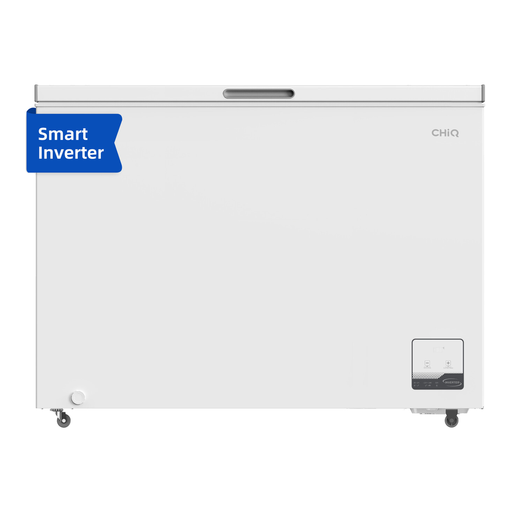
Consider its stated capacity when planning storage for larger dough batches, while checking that your containers and retrieval system suit the internal layout.
The product name identifies a 299 L chest freezer with a digital inverter. Check the installation requirements, defrost method and any temperature-warning features needed for your shared routine.
 No image available
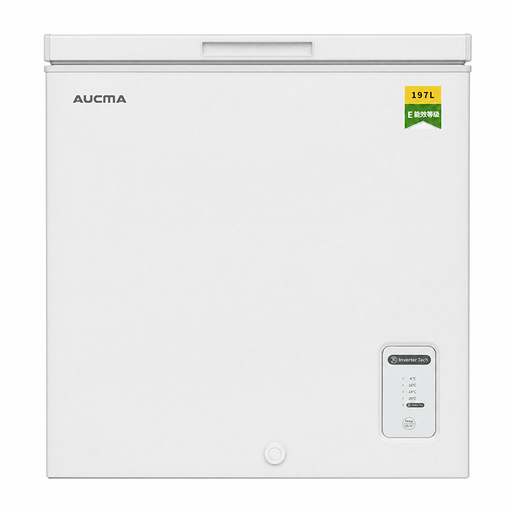
This model may suit a kitchen planning moderate-sized dough batches, provided the intended containers fit and the available space allows access from above.
The product name lists 197 L capacity, switchable refrigerator and freezer modes, five-level digital temperature control, a removable basket and a defrost drain. Confirm the required clearance and operating range for the installation site.
 No image available
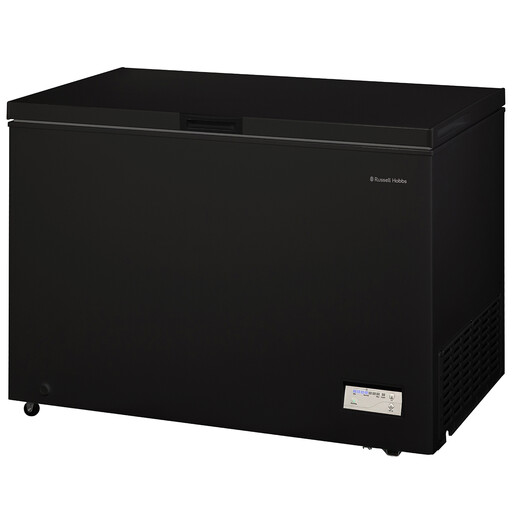
Consider this model for larger dough batches if there is room to position and open a chest freezer of this size.
The product name lists 300 L capacity. Plan for periodic defrosting, confirm the supplied basket arrangement and check the exact energy label before comparing energy information.
 No image available
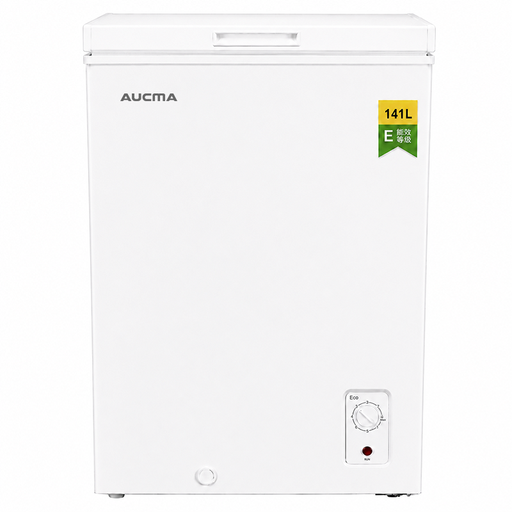
Consider the 141 L size for smaller dough batches, after checking whether all users’ containers and the intended stock rotation will fit.
The product name lists switchable refrigerator and freezer modes, a seven-level thermostat, removable basket and defrost drain. Check lid clearance, the operating range for the chosen location and the maintenance instructions.
For domestic frozen storage, a Food Standards Agency review identifies -18 °C as the recommended freezer temperature. Check the temperature with an independent thermometer, particularly after adding several batches; a food business should also follow its documented temperature-control procedures.
A chest freezer offers broad space for bulky dough boxes, while an upright freezer’s drawers or shelves can make individual portions easier to find. Choose around the containers people actually use and how often they need access, rather than litre capacity alone.
Label sealed containers with ownership and freeze dates, and keep the batches needed next in an accessible basket or upper zone. Agree who checks the temperature and maintains the stock order; Food Standards Agency MyHACCP guidance addresses monitoring and suitable frozen-storage arrangements for food businesses.
Compare the energy label and product information for the exact models under consideration, alongside their capacity and dimensions. UK government guidance requires an accurate printed energy label for products within the applicable rules; if product details conflict, check the exact model’s label before deciding.
If the kitchen operates as a food business, the Food Standards Agency says the business must register with its local authority at least 28 days before trading. A purely domestic shared household is a different arrangement; check the kitchen’s operating status with the relevant local authority if it is unclear.