What matters when choosing
Start with a workable system for separating and identifying portions, then size the freezer for the busiest batch and check whether it can be installed where the kitchen has room.
| Concern |
What to check |
Who this matters to |
| Separating shared stock |
Check whether baskets or dividers will accommodate labelled containers. Consider a lock if access needs controlling; it does not replace a system for identifying food and allergens. |
If several people store pastry portions together, I need to recognise whose food is whose and when it was frozen. Around 36% of consumers would put shared-stock organisation first. |
| Batch capacity |
Measure the largest tray or container and plan for the amount held at the busiest point, rather than relying on litres alone. Check the exact model’s freezing functions if new batches are added often. |
When I prepare batches regularly, I need the incoming portions to fit without burying food already in storage. For around 29% of consumers, batch space would be the primary concern. |
| Placement and power |
Measure the delivery route, footprint and lid-opening space. For an unheated room, check the model’s ambient rating; Electrical Safety First advises using a nearby wall socket rather than an extension lead. |
If the kitchen has little spare floor space, I need a location where the freezer can open and operate within its stated conditions. Placement would come first for around 21% of consumers. |
| Defrosting workload |
Decide who will arrange cleaning and defrosting. Check whether a model is manual-defrost or frost-free; either way, keep a routine for stock rotation and temperature checks. |
When no one has clear responsibility for upkeep, I need a maintenance plan the group will actually follow. Around 14% of consumers would make that workload their main priority. |
Chest freezers on Joybuy
These chest freezers offer different stated capacities for storing pastry portions. Compare each model’s space requirements with your containers and decide which shared-access and temperature controls you need before choosing.
 Image unavailable
Hisense FC386D4AWLE 297L chest freezer
Consider this model if a larger shared stock of labelled pastry portions needs space. Its stated capacity is 297 litres; check that your containers fit and that the lid and ventilation have room in the proposed position.
Agree on a defrosting routine, and check for a temperature alarm if your group needs an alert.
View on Joybuy
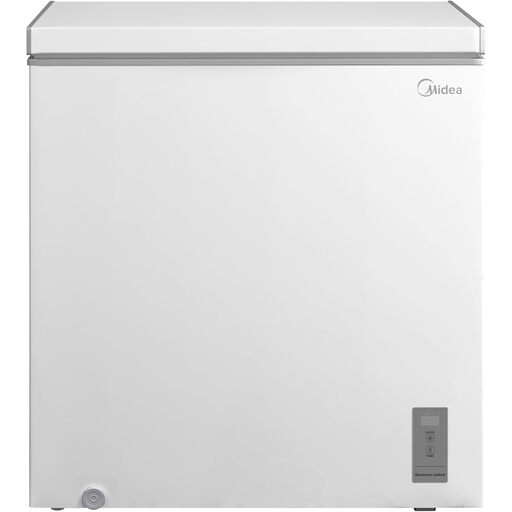 Image unavailable
Midea MDRC284FZE01 198L chest freezer, E rated
For a moderate stock of recurring pastry portions, compare its stated 198-litre capacity with the containers you plan to use.
If controlled access, a temperature alert or placement in an unheated room matters, check the exact model’s features and installation conditions before ordering.
View on Joybuy
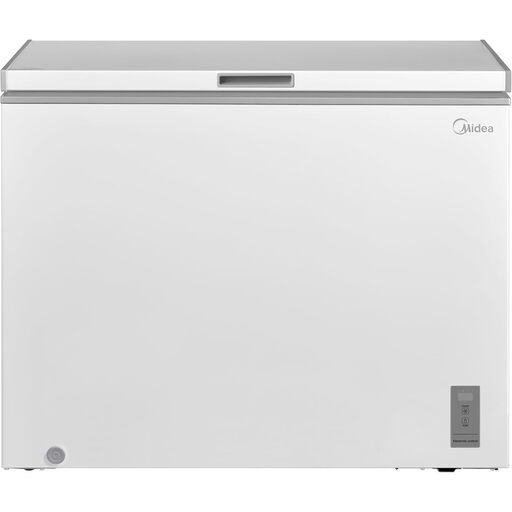 Image unavailable
Midea MDRC345FZE01 249L chest freezer, E rated
If your group holds more portions between preparation sessions, assess whether this model’s stated 249-litre capacity suits the busiest stock level.
Measure the installation space and check the exact model’s access controls, temperature alerts and ambient operating conditions wherever those affect your choice.
View on Joybuy
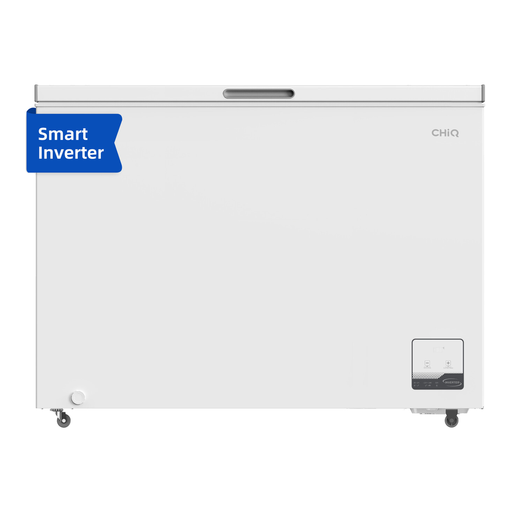 Image unavailable
CHiQ JKR299DWE 299L Digital Inverter chest freezer
For a larger collection of labelled batches, start by checking whether its stated 299-litre capacity accommodates your containers and whether the freezer fits the available floor area.
Check the manual for any freezing function you intend to use, and confirm the access controls, temperature monitoring and ambient rating needed for your location.
View on Joybuy
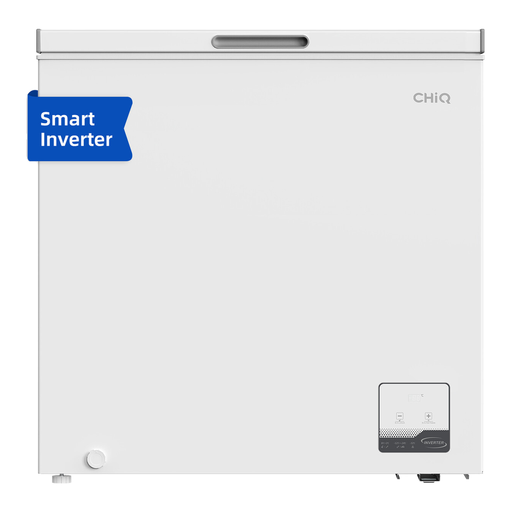 Image unavailable
CHiQ JKR199DWE 199L Digital Inverter chest freezer, E rated
For labelled portions held in a smaller stock, compare its stated 199-litre capacity with your busiest batch and container sizes.
Before choosing it for shared access or an unheated room, check the exact model’s lock, temperature-monitoring options and ambient operating conditions.
View on Joybuy
Frequently asked questions
What temperature should a freezer for pastry portions be set to?
For ordinary domestic freezing, Food Standards Agency guidance says a freezer should be around −18°C. If the shared kitchen operates as a food business, its temperature monitoring and response to problems should form part of its food-safety management process, not rely solely on an appliance dial.
How should we prepare pastry portions for freezing?
Divide food into smaller portions, cool cooked items before freezing and label what goes into the freezer, as advised in UK food-business freezing guidance from the Food Standards Agency. Use suitable containers or freezer bags so users can identify and separate their portions; a food business should also follow the applicable controls for freezing dates and use-by dates.
Can a chest freezer run from an extension lead?
Plan to plug it into a nearby wall socket instead. Electrical Safety First advises against using an extension lead for a fridge or freezer and says to leave space for air circulation around the appliance.
Does sharing a kitchen mean we must register as a food business?
Sharing a kitchen for private domestic use does not, by itself, make it a food business. If the kitchen is used to prepare, handle, store or distribute food as a business, GOV.UK’s food-business registration guidance says to register with the local authority; check with that authority if the operation’s status is unclear.


