Small-kitchen batch cook
You want room for a limited number of stew portions without giving up preparation space. Check the freezer's floor position, lid-opening room and ventilation clearance before increasing capacity.


Start with a floor position that leaves your worktop free, then check the space needed to open the lid and meet the exact model's ventilation requirements. For a modest number of cooled lentil-stew portions, the 96–99-litre examples offer a compact route, but both require manual defrosting; choose more capacity only if your planned storage justifies the larger cabinet. The Food Standards Agency's Kitchen Life 2 literature review recommends refrigerating leftovers within two hours, so extra freezer space is no substitute for prompt chilling.
You want room for a limited number of stew portions without giving up preparation space. Check the freezer's floor position, lid-opening room and ventilation clearance before increasing capacity.
You store repeated batches, so the number of containers you can fit and retrieve may matter more than the smallest cabinet. Consider how you will label portions and manage manual defrosting.
You plan to keep frozen food away from the heated kitchen. Check the exact freezer model's stated operating temperatures against the conditions where you intend to place it.
Check where the freezer can stand before deciding how many portions it should hold. Then weigh access to those portions against defrosting, electricity use and any cold-location requirements.
| Concern | What to check | Who this matters to |
|---|---|---|
| Installed footprint | Measure the floor position and lid-opening height; add the exact model's required ventilation clearance to its cabinet dimensions. | If I want to keep my worktop available for preparing meals, I need a freezer that fits elsewhere without blocking access. Around 42% of consumers put installed footprint first. |
| Portion storage and access | Compare capacity with your planned containers and other frozen food; check the basket layout for retrieving labelled portions. | When I freeze stew regularly, I need enough room to store new batches and still find older portions. Roughly 33% of consumers make batch storage and access their primary concern. |
| Ongoing use and location | Compare annual energy use and defrost methods; for an unheated location, check the exact model's ambient-temperature rating. | If my freezer will run in an outbuilding or need frequent upkeep, I want its operating conditions and maintenance to suit that location. About 25% of consumers prioritise these ongoing-use checks. |
A chest freezer also needs room for its lid and ventilation. The Russell Hobbs RH99CF0E1B is listed with clearances of 50 mm at the sides, 300 mm above and 60 mm behind, beyond its cabinet dimensions.
Measure the proposed floor position and opening height, then use the installation requirements for the exact model you choose.
Cold-location suitability varies by model. Beko states that its CF374 FreezerGuard model operates down to -15°C, while the listing says the Russell Hobbs RH99CF0E1B is not designed for an unheated outbuilding.
Compare the chosen model's stated ambient-temperature conditions with those expected in your garage or outbuilding.
The compact Russell Hobbs and Logik examples have one basket and require manual defrosting. A growing collection of containers can be harder to find and rotate without labels.
Label stackable stew portions and decide how you will reach older ones before choosing capacity. Include periodic defrosting in your plans for a manual-defrost model.
Energy Saving Trust notes that larger appliances can use more energy even when they have the same efficiency rating.
Compare annual kWh figures alongside capacity and the A–G rating, concentrating on a size you can put to use.
The RH99CF0E1B is a compact, 99-litre example listed at 85 × 54.7 × 44.6 cm.
The CF374 illustrates a compact chest-freezer design intended for a cold garage or outbuilding.
The 294-litre HCE300NFEK is a larger-capacity example for a location with more floor space.
The 96-litre L95CFW23 is another compact example, listed at 85.4 × 54.5 × 47.7 cm.
These chest freezers span compact storage for a modest batch of portions and larger capacities for more frequent meal preparation. Choose a floor position first: a capacity figure alone cannot tell you whether the cabinet, open lid and required ventilation space will fit.
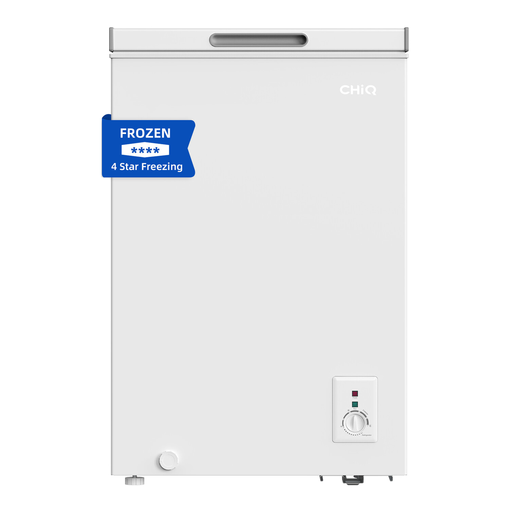 No image available
Consider this capacity if you plan to store a modest number of cooled stew portions. The product name states 99L and an E energy rating; check the installed dimensions, defrost method and annual energy use against your needs.
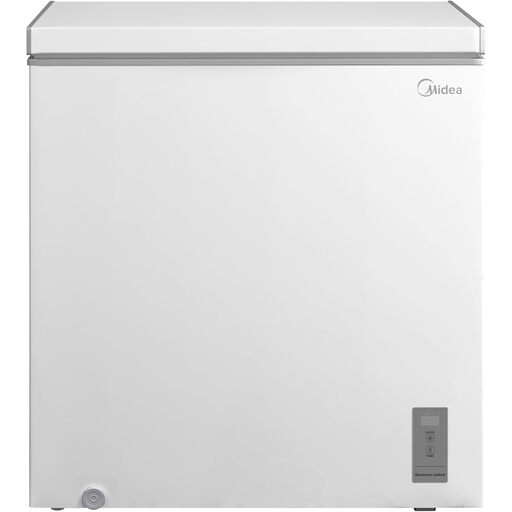 No image available
Consider this model if your planned portions and other frozen food call for more than compact storage. Its product name states 198L and an E energy rating; measure the floor position, lid-opening space and required ventilation clearance before choosing the larger capacity.
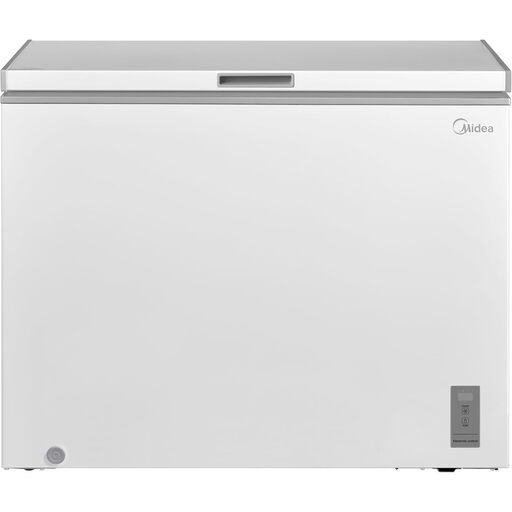 No image available
Consider this capacity when repeated batches and other frozen food justify a larger floor position. The product name states 249L and an E energy rating; check the exact installation space and ambient-temperature guidance if the freezer will stand in an outbuilding.
 No image available
Consider this model only if substantial frozen-food storage is more important than a compact floor position. Its product name states 297L and describes it as wide; allow room for the open lid and confirm installation requirements before deciding where it can stand.
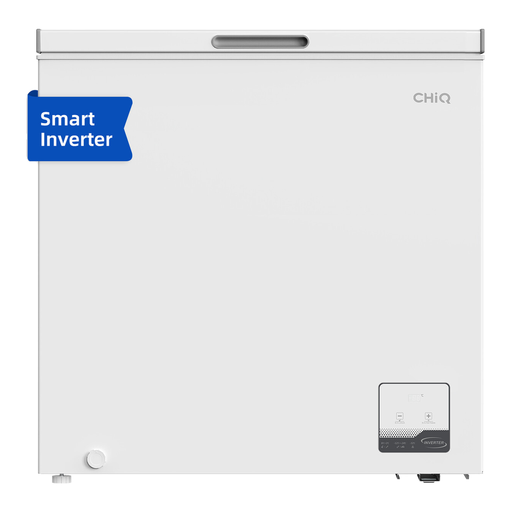 No image available
Consider this capacity if a compact freezer would not hold your planned batches but floor space remains a constraint. The product name states 199L, Digital Inverter and an E energy rating; check the installed dimensions, defrost method and annual energy use for the exact model.
Yes, but cool and store leftovers promptly rather than leaving them out while you organise freezer space. The Food Standards Agency's Kitchen Life 2 literature review recommends putting leftovers in the refrigerator within two hours.
Count the containers you expect to keep at once and allow room for any other frozen food, rather than choosing by litres alone. The compact Logik L95CFW23 is listed at 96 litres and the Russell Hobbs RH99CF0E1B at 99 litres; check how your containers will fit and remain accessible.
Only if the exact model's stated operating conditions cover the temperatures expected there. Beko states that its CF374 FreezerGuard model operates down to -15°C, while the Russell Hobbs RH99CF0E1B listing says it is not designed for an unheated outbuilding.
Compare annual kWh figures as well as the A–G energy rating for freezer sizes that suit your storage needs. Energy Saving Trust notes that larger appliances can use more energy despite sharing the same rating, so capacity matters to this comparison.