Regular batch freezers
If you repeatedly freeze rolls alongside batch-cooked food, allow for everything stored at the same time. A basket or a lid that stays open may make the bags you use most often easier to reach.


Choose a chest freezer for bread rolls by the most food you need to store at once: a compact 99–142L model may cover occasional overflow, while regular batches or bulk storage may warrant more room. Measure the appliance and delivery route, and check the exact model’s suitability if it will stand in an unheated garage; baskets and defrost arrangements also affect everyday use.
If you repeatedly freeze rolls alongside batch-cooked food, allow for everything stored at the same time. A basket or a lid that stays open may make the bags you use most often easier to reach.
If rolls only occasionally exceed the space in your existing freezer, compare compact capacity with the floor area available. A larger cavity may offer little practical value if the appliance is difficult to fit or access.
If the only suitable position is an unheated garage or outbuilding, check the operating conditions for the exact model before choosing its size. A chest-freezer design alone does not establish low-temperature suitability.
Start with your peak frozen-food load, then assess where the freezer will fit, whether its location is heated and how much upkeep you can accommodate.
| Concern | What to check | Who this matters to |
|---|---|---|
| Usable capacity | Compare capacity with the most rolls and other food you expect to store together; consider how the cavity will be organised. | If regular batches exceed my existing freezer space, I need room for all the food stored alongside the rolls. Around 36% of consumers would put capacity first. |
| Footprint and access | Measure the installed space and delivery route; check lid clearance and whether a basket keeps small bags within reach. | With limited floor space, I need a freezer that fits without leaving frequently used bags buried at the bottom. Around 29% of consumers would prioritise fit and access. |
| Garage suitability | Check the exact model’s stated low-ambient operating conditions and installation instructions. | If my freezer must stand in an unheated outbuilding, I need confirmation that it is suitable for that location. Garage suitability would come first for around 21% of consumers. |
| Ongoing upkeep | Check the defrost method, energy information and any stated safe-storage time during a power cut. | If I cannot easily empty and defrost a full chest freezer, maintenance needs to influence which model I choose. Around 14% of consumers would make ongoing ownership demands their primary concern. |
Capacity classes can differ substantially in width: Fridgemaster lists its 142L MCF142E at 625mm wide and its 297L MCF297E at 1114mm wide.
Measure the intended position, lid-opening space, doorways and delivery route before deciding how much capacity you can accommodate.
Which? notes that most freezers are designed for rooms that do not get colder than 10°C. An unsuitable location can put stored food at risk.
For an unheated space, check the exact model’s stated operating range and installation guidance rather than relying on its shape or capacity.
Fridgemaster specifies manual defrost for the MCF198E, and the Russell Hobbs RH300CF201B listing also states manual defrost. A large cavity does not, by itself, mean frost-free operation.
Check the chosen model’s defrost method and drainage arrangement, and consider how you would empty it for maintenance.
Delivery of a new appliance and collection of an old one need separate practical checks, particularly if the freezer must be disconnected or moved through a narrow route.
Confirm the seller’s collection arrangements and your local recycling options before ordering.
The 198L CF4198 is a mid-size example for buyers assessing an unheated installation.
Its cited chest-freezer models span 142L, 191L and 297L, allowing a comparison of different capacity classes.
The cited JKR99DWE and JKR299DWE provide 99L and 299L examples at opposite ends of this selection.
The cited MDRC411FZE01 is a 293L option for substantial frozen-food storage.
The cited RH300CF201B is a 300L example for buyers considering large-volume storage.
These compact, mid-size and larger chest freezers offer different amounts of overflow space for bread rolls and other frozen food. Choose by your peak load and available space, and confirm the exact model’s operating conditions if it will stand in an unheated location.
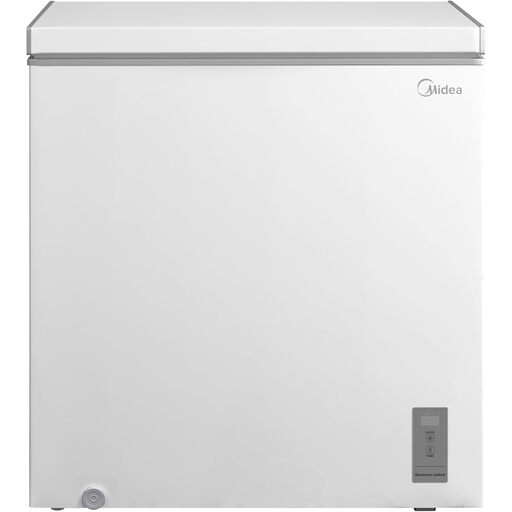 No image available
Consider this capacity for regular batches of rolls stored with other frozen food. Check the defrost method and the exact model’s operating conditions if you plan to use an unheated garage.
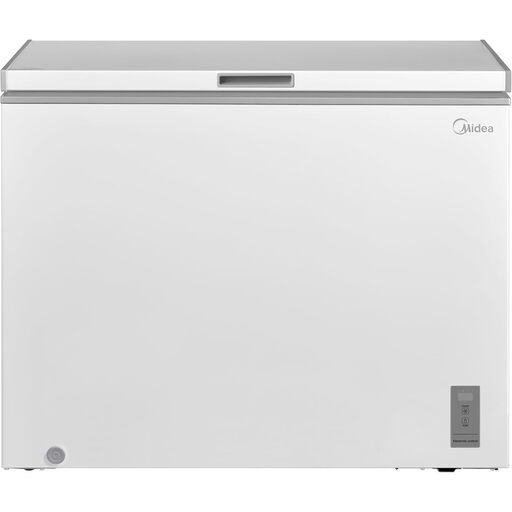 No image available
This larger option is worth considering when rolls share the freezer with substantial batches of other food. Measure the delivery route and lid clearance, and check the defrost method and operating conditions for the intended location.
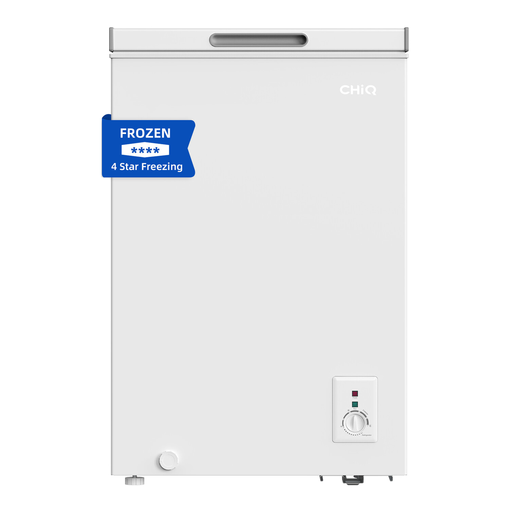 No image available
Consider this compact model for occasional overflow rather than assuming it will hold frequent large batches. Joybuy quotes a 54.5cm width and describes a counterbalanced lid; check your peak load and the operating guidance for its intended location.
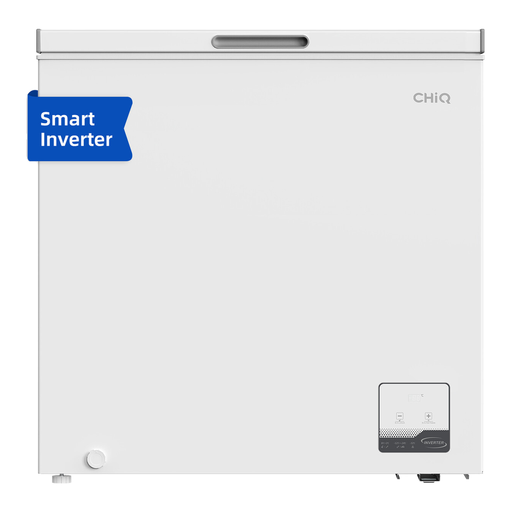 No image available
This mid-size option may suit regular bread-roll batches if its dimensions fit your space. Check the defrost method and confirm low-ambient suitability before choosing an unheated position.
 No image available
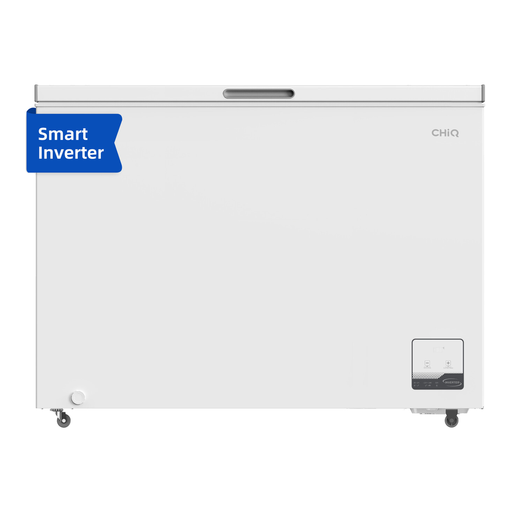
Consider this larger capacity when rolls are one part of a substantial frozen-food load. Joybuy describes a counterbalanced lid; measure the space and delivery route, then check defrost and operating conditions for the exact model.
A 99L model may be enough for occasional overflow, but compare its usable space with the most rolls and other frozen food you will store together. Regular batch freezing may call for more room, especially if you need to keep small bags easy to reach.
No: an unheated garage calls for an exact model whose stated operating conditions suit that location. Which? notes that most freezers are designed for rooms that do not get colder than 10°C; Beko states that its CF4198 can operate at temperatures as low as -15°C, but that claim should not be extended to other models.
It depends on the model’s stated defrost method. Fridgemaster specifies manual defrost for the MCF198E, while the Russell Hobbs RH300CF201B listing also states manual defrost; check the appliance you choose and how you would drain and empty it.
Confirm collection or recycling arrangements before the new freezer arrives, rather than assuming removal comes with delivery. Check what your seller offers for your address and whether the old appliance must be disconnected beforehand.