
24/7 Customer Support

Free returns

Same-day & Next-day Delivery

Quality Guaranteed

Unlock Your Welcome Offers: FREE Delivery | Up to 80% OFF | Free 30-day JoyPlus trial
Download the APP
A chest freezer can make bulk buying, batch cooking and seasonal storage considerably easier. However, choosing one based only on litre capacity or a low headline price can lead to practical problems: difficult access, unsuitable garage performance, unexpected running costs or a footprint that does not fit your home.
This guide explains the key specifications to check when comparing chest freezers, including compact 99L models, medium 198L options and large chest freezers approaching 300L.
A freezer placed in an unheated garage or outbuilding may be exposed to low ambient temperatures. Not every appliance is designed to operate reliably in these conditions. Check the manufacturer’s stated operating range and look specifically for terms such as garage-safe, outbuilding suitable or winter security.
For example, the Midea MDRC411FZE01 is specified for operation in ambient temperatures down to -18°C, while the HISENSE FC386D4AWLE is stated to operate down to -15°C. These specifications are more useful than a general claim that a freezer is suitable for household use.
A large internal cavity provides useful storage, but chest freezers are less compartmentalised than upright models. Without baskets or a storage system, smaller items can become difficult to find beneath larger frozen goods.
Look for a chest freezer with basket, counterbalanced lid and, where possible, interior lighting. These features do not increase capacity, but they can make everyday use more manageable.
The current UK energy label uses classes from A to G. A class E appliance is not automatically inexpensive to run, because annual consumption also depends on capacity, placement, temperature and usage. Compare the stated annual kWh figure as well as the energy class.
A smaller freezer may consume less electricity overall, while a larger model could offer more storage per square metre. Consider how much capacity you genuinely need rather than paying to cool unused space.
Use the internal capacity as a starting point, then measure the available floor area. Remember to allow clearance around the appliance for ventilation and enough room to lift the lid fully.
A 99L chest freezer may fit a narrow utility area, whereas a 198L chest freezer generally requires more space but offers a more practical balance for family storage. Models close to 300L can be over one metre wide, so check doorways, stair access and the final installation position before ordering.
A 4-star freezer rating indicates suitability for long-term frozen food storage at temperatures of -18°C or below, subject to correct installation and operation. It should not be confused with the energy-efficiency class.
Mechanical thermostats are simple to operate, while digital controls can provide more visible temperature adjustment. Convertible chest freezers add flexibility by allowing the appliance to switch between refrigerator and freezer modes, but check the instructions for the correct temperature range and use.
Noise is measured in decibels, or dB. Models listed at around 37–41dB may be more appropriate for a utility room close to living areas than louder alternatives, although perceived sound also depends on the room and flooring.
Most chest freezers require manual defrosting. A drainage port can make the process easier. Do not use sharp tools or unauthorised heaters to remove ice, as these can damage the appliance or refrigerant circuit.
Other useful features include:

Why This Fits Their Persona: A compact option for flats, smaller households and anyone needing additional storage without committing to a large chest freezer.
Its 95L capacity and stated 38dB operating noise help limit space and noise concerns. The convertible design also avoids buying a separate appliance if refrigeration space is later needed.
95L capacity, 4-star freezer rating, removable basket, defrost drain and 165kWh stated annual consumption.
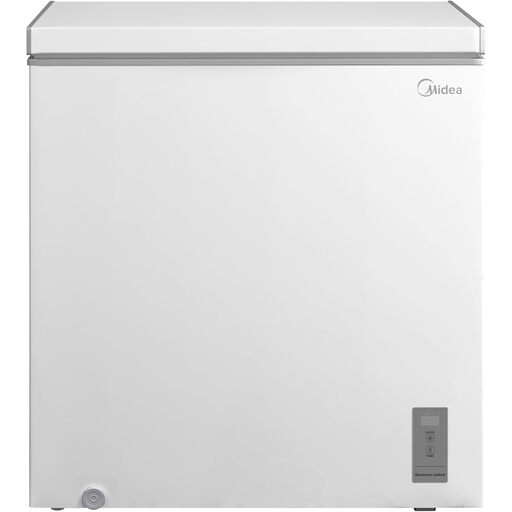
Why This Fits Their Persona: Suitable for households wanting medium capacity, garage flexibility and features that make regular access easier.
The stated garage suitability down to -18°C addresses the risk of placing a standard freezer in a cold outbuilding. A counterbalanced lid and basket reduce access problems.
198L capacity, 37dB stated noise level, E energy class, fast freeze, removable basket and fridge/freezer conversion.
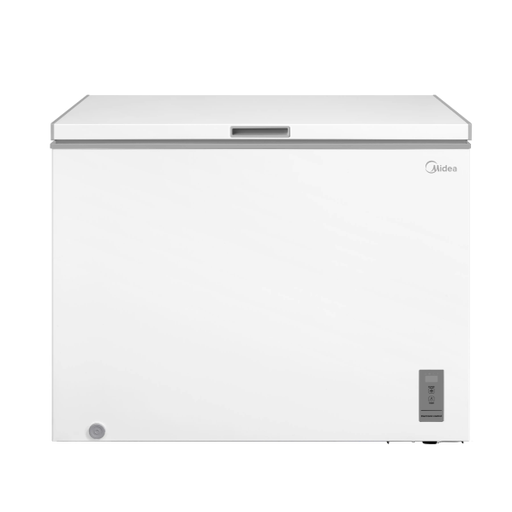
Why This Fits Their Persona: Designed for large families, bulk-buyers and users who need substantial storage in a garage, utility room or outbuilding.
Its specified -18°C garage operation avoids relying on an unsuitable appliance. The lockable, counterbalanced lid and convertible function add practical flexibility for high-volume users.
293L capacity, 41dB stated noise level, E energy class, fast freeze, LED display and fridge/freezer conversion.
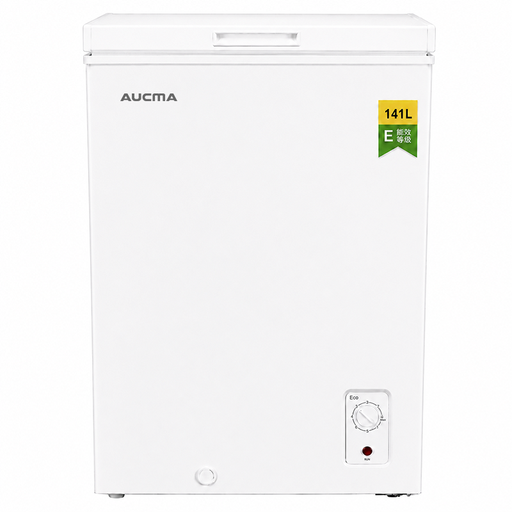
Why This Fits Their Persona: A practical medium-sized option for households, small cafés and convenience stores that may need either frozen or chilled storage.
The switchable design reduces the risk of buying a freezer that becomes unsuitable when storage needs change. A removable basket and drain support routine use and maintenance.
141L capacity, 38dB stated noise level, seven-level thermostat, 179kWh stated annual consumption and 4-star freezer rating.
We have compiled a complete, real-time list of products that fully satisfy these strict selection criteria and UK safety regulations.
Before switching on a new chest freezer:
Some are, but suitability depends on the manufacturer’s stated ambient operating range. Choose a model specifically listed as garage-safe or suitable for outbuildings, and install it in a dry, ventilated area.
Running cost depends on annual electricity consumption, your tariff, room temperature and usage. Multiply the appliance’s stated annual kWh figure by your electricity price to estimate the annual cost. A smaller capacity does not always have the lowest cost per litre, so compare both capacity and consumption.
Lifespan depends on build quality, operating conditions, ventilation, cleaning and defrosting. Keeping the lid seal clean, avoiding unnecessary opening and removing excess ice can support efficient operation. Always follow the manufacturer’s maintenance and safety instructions.