Family batch-cookers
If you freeze several portions of soup at once, an open compartment can hold containers together, but you will need a way to label and organise them. The listing describes chest freezers as open spaces suited to bulk storage.


Choose a chest freezer if you need open space for portions of cooled family soup and have room for its footprint and top-opening lid. The Food Standards Agency advises keeping a household freezer at around -18°C, so check how the chosen model is set and monitored. For a garage or outbuilding, check its stated ambient-temperature range; also compare container fit, energy information and defrost requirements.
If you freeze several portions of soup at once, an open compartment can hold containers together, but you will need a way to label and organise them. The listing describes chest freezers as open spaces suited to bulk storage.
If the freezer will stand outside a heated kitchen, its stated operating range must cover the temperatures at that location. Beko and Haier specify low-ambient operation for particular models, not for every chest freezer they make.
If you expect to take out soup regularly, consider how you will find older portions and manage the appliance. Baskets, controls, warning indicators and the defrost method are worth checking on the exact model.
Start with the space your soup containers and other frozen food need, then check where the freezer can operate and how you will manage its temperature and upkeep.
| Concern | What to check | Who this matters to |
|---|---|---|
| Usable storage | Measure your usual containers and allow space for other frozen food; check whether baskets will help you reach older portions. | If I freeze soup regularly, I need enough accessible room without losing portions at the bottom. Roughly 36% of consumers would put usable storage first. |
| Temperature and food handling | Check how to set and monitor the freezer at around -18°C; cool soup and divide it into smaller portions before freezing, as the Food Standards Agency advises. | When I store homemade soup for later meals, I want to handle it safely and keep track of the freezer temperature. For around 29% of consumers, that would be the primary concern. |
| Location and fit | Measure the delivery route, footprint and lid-opening space. For an unheated location, check the exact model's ambient rating and installation clearances. | If the freezer must go in a garage or a tight utility room, I need one that fits and can operate there. About 21% of consumers would prioritise placement. |
| Energy and upkeep | Compare exact-model energy labels and product information sheets, then confirm the defrost method. | If I will open the freezer often for family meals, I want to weigh its energy information against the work of maintaining it. Around 14% of consumers would put energy and upkeep first. |
A litre figure cannot tell you whether your soup containers will stack conveniently or whether the lid can open where the freezer will stand.
Measure your containers and the available space. Date portions and use baskets to make regularly used food easier to reach.
Low-ambient operation depends on the model. Beko states operation down to -15°C for its CF4198, and Haier makes the same ambient-temperature claim for its HCE520EK; neither claim applies to every freezer.
Compare the exact model's stated range with the lowest temperature expected at your location, and follow its installation instructions.
An unsuitable location may mean finding another place for the appliance.
The Food Standards Agency advises cooling warm dishes before freezing and dividing food into smaller portions so it cools and freezes more quickly.
Cool the soup promptly, transfer it to freezer-safe portions, label them and freeze them as soon as possible.
An energy class alone does not account for differences in capacity or how the appliance is used.
Read the exact model's energy label and product information sheet alongside its size, placement requirements and defrost method.
These model examples illustrate different storage and upkeep considerations; check the specifications of the freezer you intend to buy.
Beko lists its CF4198 as a 198 L chest freezer with FreezerGuard operation in ambient temperatures down to -15°C.
Haier lists chest-freezer models from 300 L to 508 L; its HCE520EK is a 508 L example for buyers assessing larger-volume storage.
The Kenwood K280NCFGD25 is identified as a 277 L frost-free chest freezer with fast freeze and a digital display.
These chest freezers offer different stated capacities for family soup portions and other frozen food. Match your containers to the space available, then check the exact model's temperature controls, installation requirements and upkeep before choosing a location.
 No image available
For recurring soup batches alongside other frozen food, compare its stated 297 L capacity with the space your containers need. If it will go in an outbuilding, check the exact model's ambient rating and installation clearances; confirm its normal temperature setting and defrost instructions too.
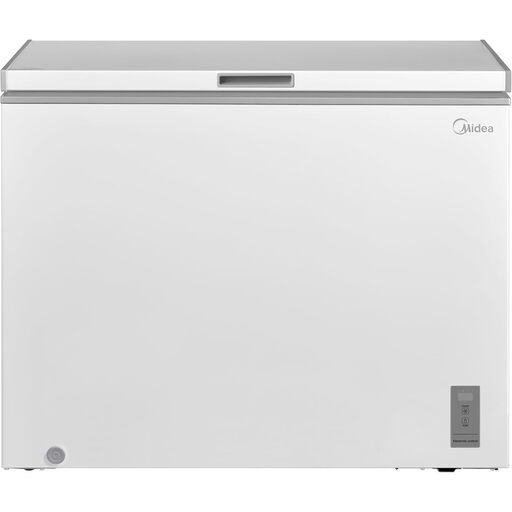 No image available
If you are storing several soup portions, measure their containers against this model's stated 249 L capacity. Its title gives an E energy rating; check the full energy information, normal temperature controls, defrost method and installation instructions for the exact model.
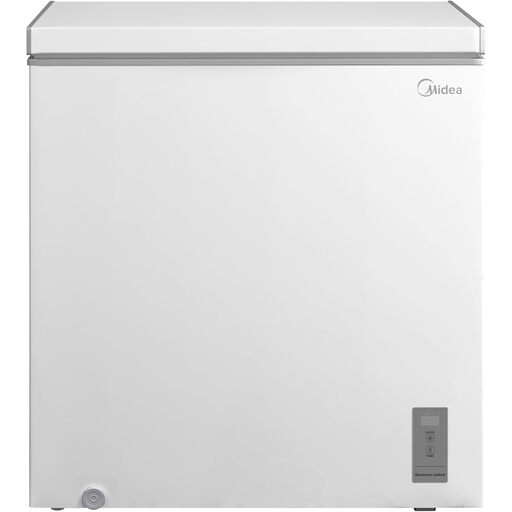 No image available
For a smaller collection of family soup portions, check whether your containers and other food will fit within its stated 198 L capacity. Its title gives an E energy rating; confirm the model's temperature controls, defrost method and required clearances before buying.
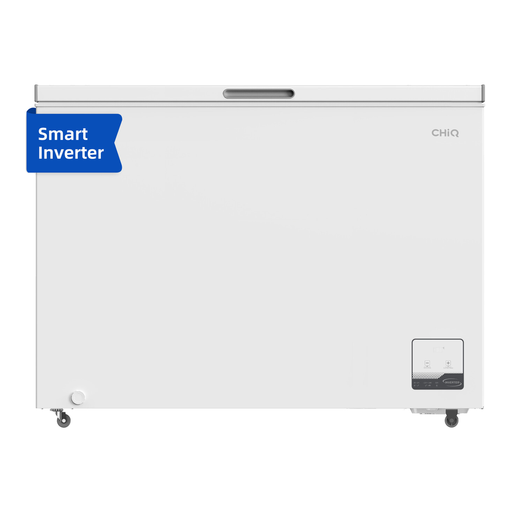 No image available
If you freeze larger batches, compare your container plan and floor space with its stated 299 L capacity. Check the exact model's normal temperature setting, energy information and defrost method, and confirm its ambient rating before placing it in an unheated outbuilding.
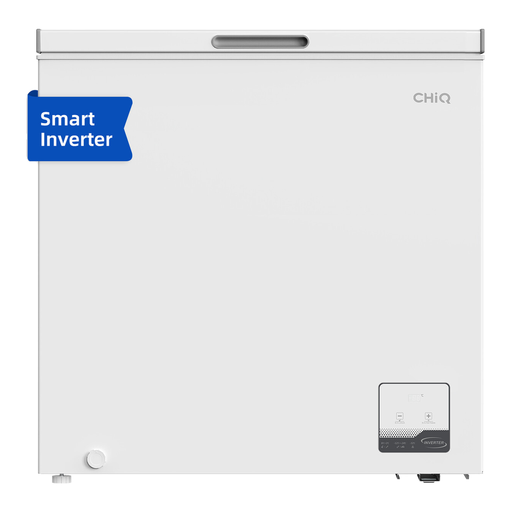 No image available
For portioned soup with some additional frozen storage, check your container sizes against its stated 199 L capacity. Its title gives an E energy rating; consult the exact model's instructions for its normal temperature setting, defrost method and suitable installation location.
Yes. Food Standards Agency guidance for England, Northern Ireland and Wales advises cooling cooked food and putting it in the fridge within one to two hours, then freezing homemade food as soon as possible. Divide soup into smaller freezer-safe portions so it cools and freezes more quickly.
Keep the freezer at around -18°C, as the Food Standards Agency advises for household food freezing. Follow the chosen appliance's instructions for setting and checking its temperature.
No: choose a model whose stated ambient operating range covers the temperature at that location. Beko states operation down to -15°C for the CF4198, and Haier states the same for the HCE520EK; check the rating and installation instructions of whichever model you buy.
Compare the energy labels and product information sheets for the exact models, using the same measure of energy use. An energy class or capacity figure alone cannot tell you how the appliances will compare in your household.