A chest freezer makes sense if the household needs extra shared frozen storage as well as somewhere to keep sliced bread; bread alone may not justify the floor space. Measure the kitchen and lid-opening room before choosing a capacity, then consider how everyone will find their bread and share maintenance.
Who is this for?
People sharing bread storage
Several residents need to retrieve a few slices without moving everyone else’s food. Love Food Hate Waste advises freezing bread sliced so people can take only what they need; a clearly assigned bread area makes that easier in a shared freezer.
Households short of kitchen space
Extra frozen storage is useful only if the appliance fits without obstructing the kitchen. External dimensions and room to open the lid matter as much as capacity.
Households planning shared upkeep
When no one has an obvious maintenance role, compare the exact model’s defrost method and agree who will look after the freezer.
What matters when choosing?
Start with the space available and the amount of food the household will store beyond bread. Then decide how frequently people need access and who will handle upkeep.
| Concern |
What to check |
Who this matters to |
| Easy bread access |
Look for a basket or an accessible top-level area; plan labelled bags for sliced bread. |
If I take just a few slices at a time, I want to reach my bag without shifting other residents’ food. Around 36% of consumers would put access first. |
| Kitchen fit |
Compare external height, width and depth with the available space, including the room needed to open the lid. |
Where floor space is tight, more storage is useful only if the freezer fits the kitchen. Roughly 29% of consumers would prioritise fit. |
| Manageable upkeep |
Check the exact model’s defrost method and agree who will do any required maintenance. |
If nobody is likely to take on regular defrosting, I need to consider that work before buying. About 21% of consumers would make upkeep their main concern. |
| Energy use and noise |
Compare annual energy consumption, noise and capacity alongside the A–G energy class. |
With the freezer running near shared living space, I care about both energy use and sound. Around 14% of consumers would place this comparison first. |
What can go wrong?
-
Choosing by litres alone
Capacity does not show how much kitchen space a freezer occupies. Haier specifies its 300 L HCE301E UK at 1110 × 620 × 845 mm; room to open the lid matters too.
Measure the intended position and check the installation clearances for the exact model before shortlisting it.
-
Assuming bread will be easy to find
In a deep chest freezer, frequently used bags can end up beneath other food.
Freeze bread sliced in a sealed, labelled bag and reserve a basket or accessible upper area for it. Love Food Hate Waste recommends sliced freezing so you can remove only what you need.
-
Leaving defrosting to someone else
Manual-defrost models require planned upkeep, while reduced-frost features vary by model.
Agree who will maintain the freezer and compare the stated defrost method on each model if that responsibility may be difficult to share.
-
Comparing energy letters without context
Energy Saving Trust explains that appliance labels also provide energy-use and noise information. A letter grade alone does not describe the capacity the household is buying.
Read annual energy consumption, noise and frozen volume alongside the A–G class on comparable models.
Brands to consider
Beko
Beko offers chest freezers in different capacities, including models it describes as suitable for colder installation locations.
- Beko says its Freezer Guard-equipped models operate at ambient temperatures as low as -15°C, a feature to consider if the installation location changes from the kitchen to an outbuilding.
- The 308 L CF4308W is a manual-defrost example; check whether its size and maintenance suit a household mainly storing bread.
Hotpoint
Hotpoint’s chest-freezer range includes models with different frost-management features.
- Hotpoint describes Frost Away technology on selected models; check the specification of the particular freezer under consideration.
- A deep, open interior still needs an agreed system for keeping frequently used bread accessible.
Haier
Haier’s range includes the 300 L HCE301E UK and the HCE300NFEK with Total No Frost technology.
- Haier specifies Total No Frost for the HCE300NFEK, which is relevant if avoiding manual defrost is a priority.
- The HCE301E UK is a larger, manual-defrost option. Check the dimensions and defrost method of the exact model rather than assuming those features apply across the range.
Chest freezers on Joybuy
These chest freezers offer different stated capacities for households considering extra shared storage. Compare the space available and how residents will organise their food before choosing a size.
 No image available
AUCMA 95 L Convertible Chest Freezer
Consider this 95 L model where shared storage needs are modest. Its stated features include a removable basket, defrost drain and E energy class; check kitchen and lid clearances, operating temperature and defrost requirements before buying.
View on Joybuy
 No image available
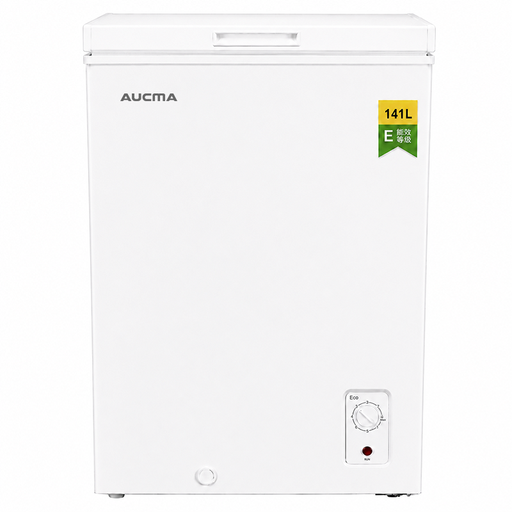
AUCMA 141 L Convertible Chest Freezer
Consider the 141 L capacity if residents need room for other frozen food alongside bread. The product name specifies a removable basket, defrost drain and E energy class; confirm fit, operating temperature and defrost requirements for this model.
View on Joybuy
 No image available
AUCMA 291 L Convertible Chest Freezer
The 291 L capacity is worth considering only if the household plans substantial shared storage beyond bread. The name specifies an LED light, removable basket and E energy class; confirm the kitchen space, lid clearance, operating temperature and defrost requirements.
View on Joybuy
 No image available
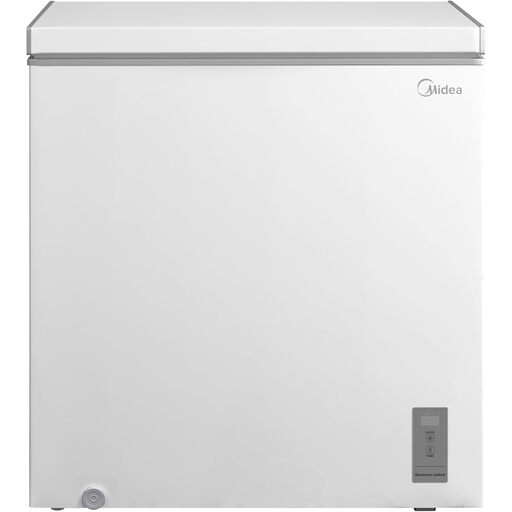
Midea MDRC284FZE01 198 L Chest Freezer, White
The 198 L capacity may suit a household planning shared frozen-food storage as well as bread. It is listed with an E energy class; check its dimensions, lid clearance, operating temperature and defrost method against your requirements.
View on Joybuy
 No image available
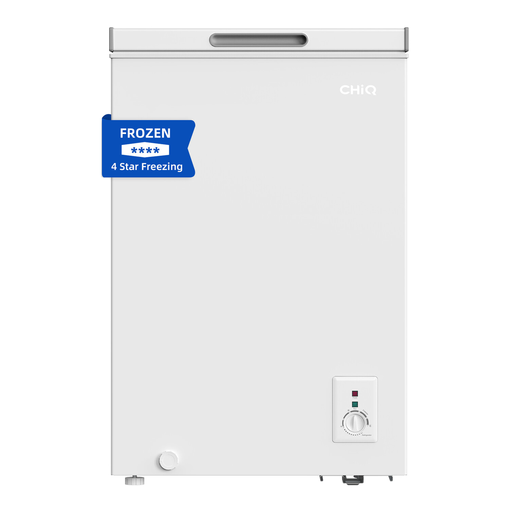
CHiQ JKR99DWE 99 L Chest Freezer
The 99 L capacity is an option to assess when the household needs a modest amount of extra frozen storage. It is listed with an E energy class; check the required space, operating temperature and defrost method for this model.
View on Joybuy
Common questions
Can everyone take just the bread slices they need?
Yes. Love Food Hate Waste advises freezing bread sliced so you can remove only what you need. Keep each person’s bread in a sealed, labelled bag or container that is easy to reach.
What temperature should a domestic freezer maintain?
The Food Standards Agency recommends -18°C for domestic freezers. Check the chosen appliance’s operating-temperature information and temperature control, and avoid leaving the lid open while retrieving food.
Should we buy the largest chest freezer that fits?
Not automatically. Choose a capacity based on the household’s frozen food beyond bread, while allowing for the freezer’s external dimensions and lid clearance. Energy Saving Trust also advises considering the appliance size needed.
Does a kitchen freezer need a low-ambient-temperature feature?
That feature matters chiefly if the freezer may later be installed somewhere colder, such as an outbuilding. Beko says its specified Freezer Guard models operate at ambient temperatures down to -15°C; check the operating conditions of any model considered for a different location.


