Family batch-prep cooks
If dough balls share freezer space with meals or toppings, you need to assess usable capacity and how easily you can reach smaller portions. Chest freezers vary in capacity and basket arrangements.


Start with the space available for the cabinet and its open lid, then choose capacity around the dough portions and other food you plan to store. A compact manual-defrost freezer can suit occasional batches; frequent bulk preparation may make a larger cabinet, baskets and reduced defrosting work more useful. For a garage or outbuilding, check the operating conditions of the exact model before buying.
If dough balls share freezer space with meals or toppings, you need to assess usable capacity and how easily you can reach smaller portions. Chest freezers vary in capacity and basket arrangements.
If pizza night only occasionally calls for extra freezer space, measure the available floor area before choosing capacity. A 95-litre Essentials model is listed with manual defrost, illustrating why maintenance matters even with a compact cabinet.
If the freezer will stand in an unheated location, check that model’s permitted ambient-temperature range. Low-temperature operation is specified for particular Fridgemaster and Beko models; the claim should not be applied to other models.
Measure the proposed location first. Then decide whether capacity, day-to-day organisation, an unheated installation or running-cost and temperature checks is your main priority.
| Concern | What to check | Who this matters to |
|---|---|---|
| Capacity and footprint | Compare capacity with cabinet dimensions, the access route and space to open the lid; check the required installation clearances. | If I freeze several dough balls alongside family meals, I need enough room without blocking the space where the freezer will stand. Around 37% of consumers put capacity and footprint first. |
| Organisation and defrosting | Check the supplied baskets, any Fast Freeze function and whether the exact model uses manual defrost, Low Frost or a frost-free system. | When I add fresh portions regularly, I want to find labelled dough easily and know what defrosting work to expect. For around 27% of consumers, that workflow is the main concern. |
| Outbuilding installation | Confirm the exact model’s permitted ambient-temperature range and installation instructions for the intended location. | If the freezer must go in an unheated garage or shed, its suitability for that location decides whether I can use it there. Around 18% of consumers make placement their primary concern. |
| Energy and temperature protection | Compare current energy labels and annual consumption figures; check for a temperature alarm and any quoted power-failure storage time. | I want to understand ongoing electricity use and whether the appliance can warn me about a temperature rise. Those checks come first for around 18% of consumers. |
Cabinet dimensions vary substantially between compact and larger models, and the lid needs room to open. A capacity figure alone cannot tell you whether a freezer will fit through the access route or in its final position.
Measure the floor area, doors and lid-opening space, then check the exact model’s required clearances before ordering.
Outbuilding suitability belongs to the particular model and its stated operating conditions, not to chest freezers as a category.
For an unheated location, compare the model’s permitted ambient-temperature range with the conditions where it will stand.
Manual defrosting adds a maintenance task, while small portions can be awkward to retrieve from a crowded cabinet. Low Frost and Total No Frost are different model-specific approaches, not interchangeable labels.
Check the defrost system, basket arrangement and lid design against how often you expect to add or retrieve dough.
Unlabelled portions are harder to identify and rotate. GOV.UK’s food hygiene guidance for businesses in England, Wales and Northern Ireland advises dividing food into smaller portions and labelling it before freezing.
Separate dough into the portions you expect to use and mark each package with its freezing date.
The CF4308W is a larger-capacity example for family storage, with model-specific low-temperature operation.
The HCE301E is a large chest-freezer example for households comparing frost-management approaches.
The MCF297E is relevant when an unheated installation is part of the purchase decision.
The cited models offer different maintenance routes: the K280NCFGD25 is specified as frost free, while the K250CFW17 uses manual defrost.
These chest freezers have stated capacities from 198 to 299 litres for storing family dough portions alongside other frozen food. Match each cabinet to your available space, and check its defrost and installation requirements before choosing.
 No image available
For larger family batches of dough and other frozen food, compare its stated 297-litre capacity with your available space. Check the manual-defrost workload and the installation conditions if it will stand in an outbuilding.
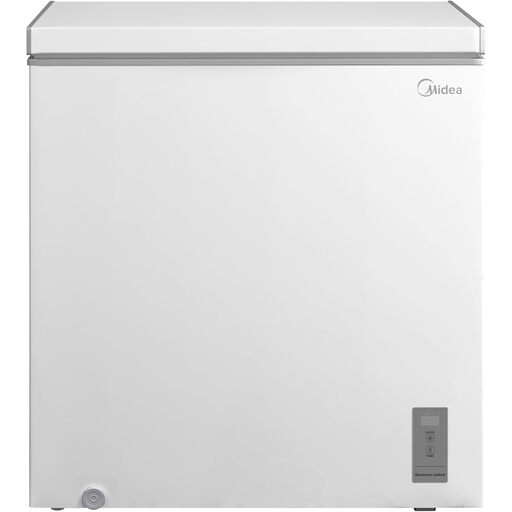 No image available
For family dough portions where cabinet size matters, compare the stated 198-litre capacity with both your storage needs and floor space. Check the defrost system and permitted installation temperatures, particularly for an unheated room.
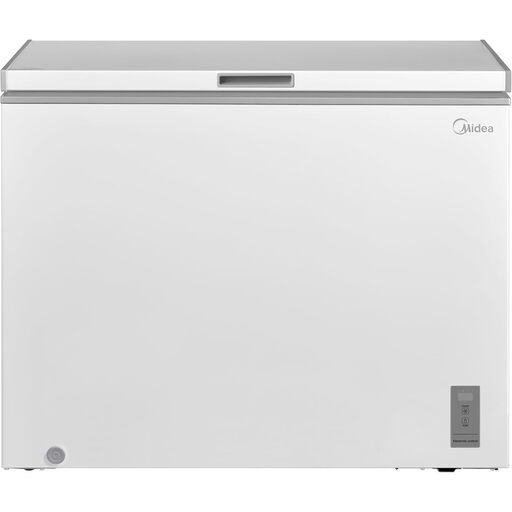 No image available
For dough batches sharing space with other family food, assess whether the stated 249-litre capacity meets your needs. Confirm the cabinet’s fit, defrost arrangements and permitted ambient temperature for its intended location.
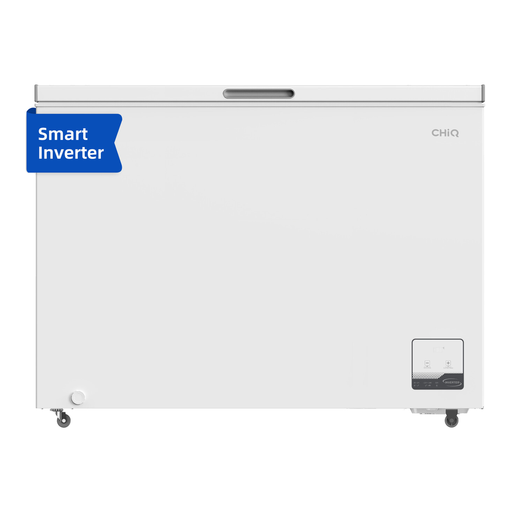 No image available
For a larger family freezer load, compare the stated 299-litre capacity with the room available for the cabinet and lid. Check its defrost system and permitted installation conditions before deciding where to place it.
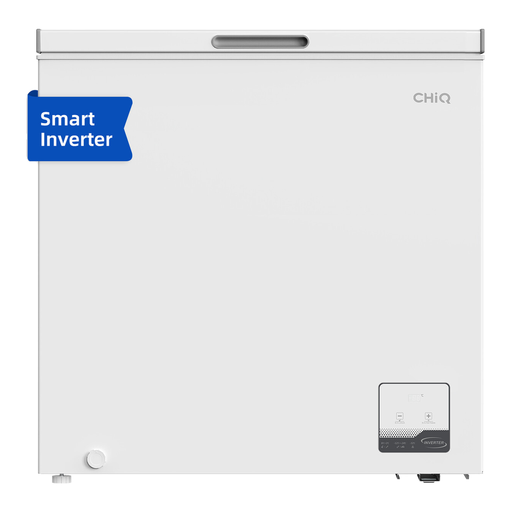 No image available
For family dough portions and overflow frozen food, weigh the stated 199-litre capacity against your available space. Check the defrost system and ambient-temperature requirements if an unheated location is under consideration.
It is worth considering if you regularly add several fresh portions at once. Check the model’s instructions for using the function and for how much unfrozen food to add in one load; it does not replace proper food handling.
Divide the dough into usable portions and label them before freezing. GOV.UK’s food hygiene guidance for businesses in England, Wales and Northern Ireland advises portioning and labelling frozen food, and defrosting food in the fridge unless its cooking instructions say otherwise.
No: check the exact model’s outbuilding suitability and permitted ambient-temperature range. Operation down to -15°C is stated for the Beko CF4308W and Fridgemaster MCF297E, but that specification does not extend to other models.