Space-limited cottage owners
You need room for bread between changeovers, but the kitchen or utility space is tight. Measure the installation position, delivery route and space needed to open the lid before choosing by capacity.


For sliced bread in a holiday cottage, choose a chest freezer that holds the loaves needed between visits without taking up more space than necessary. If it will stand in an unheated outbuilding, check the exact model’s stated ambient-temperature range. For a cottage left empty between stays, a temperature warning, documented power-failure storage time and manageable defrost routine may matter more than extra capacity.
You need room for bread between changeovers, but the kitchen or utility space is tight. Measure the installation position, delivery route and space needed to open the lid before choosing by capacity.
You plan to put the freezer in a cold garage, shed or utility area. The exact model’s stated operating conditions must suit that position; a sheltered outbuilding is not the same as a location exposed to the weather.
The cottage may be empty between stays, making a warning light, documented power-failure storage time and a workable defrost schedule particularly relevant. Those features do not replace checking the appliance after an interruption.
Work out how many loaves must fit between visits, then check the installation position. If that position is unheated or the cottage is often empty, assess those conditions before choosing a larger capacity.
| Concern | What to check | Who this matters to |
|---|---|---|
| Space and bread capacity | Compare the number of loaves to be stored with usable capacity; measure the freezer’s external dimensions and lid clearance. | I need enough space for bread between changeovers, but a large appliance would crowd the cottage. Roughly 42% of consumers would put space and right-sized capacity first. |
| Cold-location suitability | Check the exact model’s stated minimum ambient temperature and installation instructions against the intended position. | If my only practical location is an unheated outbuilding, I need a freezer expressly suited to its conditions. Around 33% of consumers would make cold-location suitability their primary concern. |
| Care between visits | Look for a temperature warning, a stated power-failure storage time and a defrost method you can manage. | When I cannot visit soon after a power cut, I want to know what the freezer indicates and what checks I will need to make. About 25% of consumers would prioritise care between visits. |
Low-ambient claims belong to particular models. Beko UK describes FreezerGuard operation down to -15°C for the CF4198, while Hotpoint UK makes a -15°C FreezerProtect claim for the HPCF 3714 UK; neither claim applies automatically to another freezer.
Check the manufacturer’s operating range for the exact model against the intended location, and keep the appliance protected from the weather.
In a deep chest, newer loaves can obscure older ones. A 300 L or 371 L model needs a clear purpose beyond modest bread overflow.
Estimate the most bread needed between visits. If you also need substantial frozen-food storage, use labelled baskets and dates so older supplies remain accessible.
Hotpoint describes the HPCF 3714 UK as Low Frost. Reduced ice build-up does not mean defrosting can be ignored, particularly where visits are infrequent.
Check the exact model’s defrost instructions and plan any required work for a vacant period. Electrical Safety First advises against using a hair dryer or another heating appliance to defrost a freezer.
A suitable location needs more than enough floor area. Electrical Safety First advises placing a fridge or freezer close to a wall socket rather than using an extension lead, with room for air circulation.
Check the manufacturer’s clearances, keep the cable from being trapped and include the plug and socket in routine cottage inspections.
The CF4198 is a 198 L example for owners considering a mid-size freezer in a cold outbuilding.
The 371 L HPCF 3714 UK is worth considering when the cottage has substantial frozen-food storage needs beyond bread.
The HCE301E UK is a 300 L option when bread is only part of a larger frozen-food stock.
The 97 L MCF100E is a compact example for limited bread overflow.
The 198 L INCF 1984 UK is a mid-size option to assess if storage extends beyond sliced bread.
These compact and larger chest freezers offer different amounts of space for bread and other frozen food. Match capacity to the cottage’s needs, and check the exact model’s installation, cold-location and maintenance instructions before ordering.
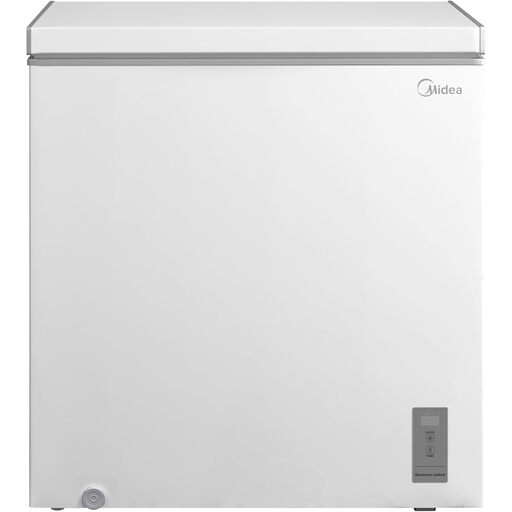 No image available
Consider this 198 L model if bread is part of a larger frozen-food stock. Check its dimensions, stated ambient-temperature range, defrost method and power-failure guidance for the intended cottage position.
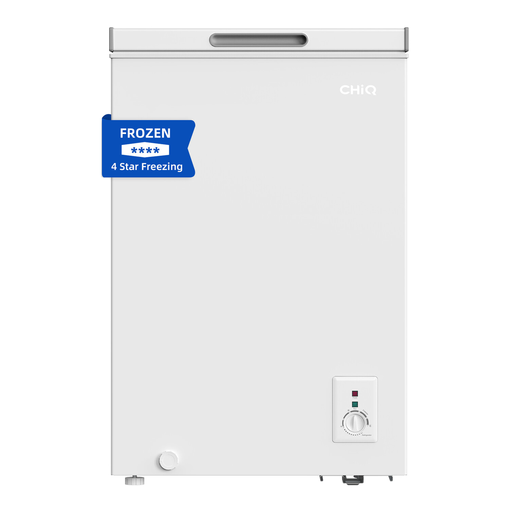 No image available
The 99 L capacity is worth considering for modest bread overflow where space is limited. Measure the intended position and check lid clearance, cold-location suitability and defrost instructions.
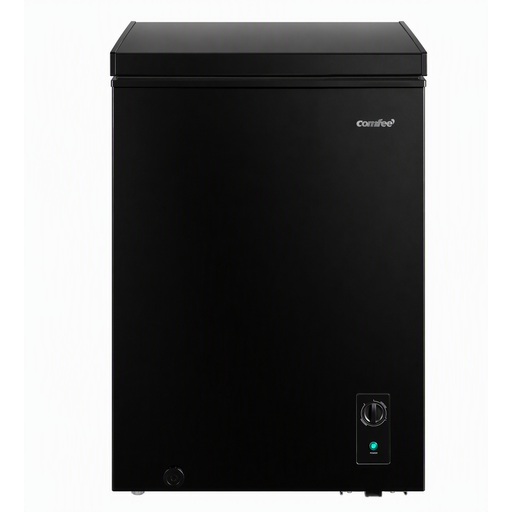 No image available
This 99 L model is another capacity to consider for limited bread overflow. Its product name states a 4-star freezing rating; check the exact model’s dimensions, installation conditions and basket arrangement before choosing it.
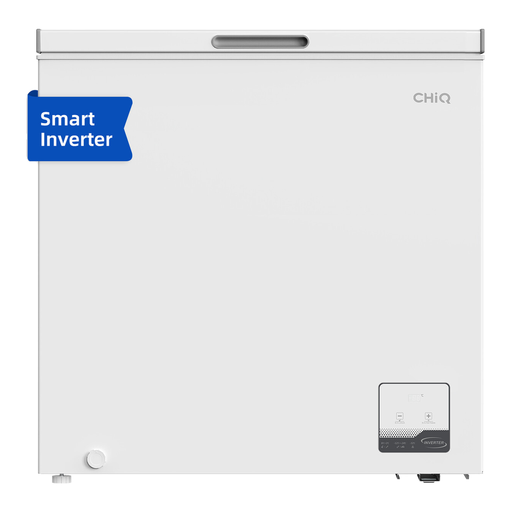 No image available
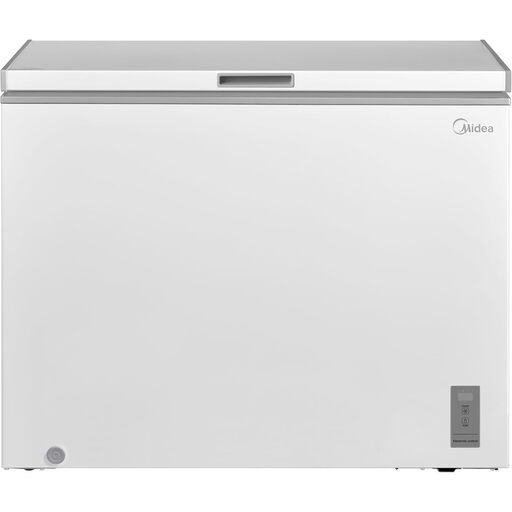
Consider this 199 L model when the cottage needs more frozen-food space than modest bread overflow. Check its footprint, ambient-temperature suitability and care requirements against where and how often the freezer will be used.
 No image available
The 249 L capacity is more relevant if the cottage stores substantial frozen food beyond bread. Check that the delivery route and installation space fit, and confirm the exact model’s cold-location and defrost instructions.
No: check the exact model’s stated ambient-temperature range and installation instructions. Beko UK and Hotpoint UK make model-specific claims for operation down to -15°C, but that does not establish suitability for other freezers. Electrical Safety First also advises against placing a freezer where it may be exposed to the elements.
Electrical Safety First advises installing a fridge or freezer near a wall socket rather than using an extension lead. Check that the planned position also allows the ventilation space specified by the appliance manufacturer.
Label and date the bread, and arrange bags or baskets so older loaves remain accessible when new supplies arrive. Check the freezer’s basket layout before buying, particularly if bread will share the space with other food.
Food Standards Agency guidance allows pre-packed food to be frozen up to its use-by date. Follow the individual food label and applicable defrosting instructions; if the cottage has had an unknown power interruption, check the food rather than relying on the freezer’s stated power-failure storage time alone.