What should you check before buying?
Start with the distinction that drives the choice: chestnuts for a lower-fat, carbohydrate-containing snack, or unsalted peanuts when the peanut format and salt declaration matter more. Then check whether the portion fits the rest of your post-exercise food and drink.
| Priority |
What to check |
Your needs |
| Total fat |
Compare fat per 100 g and the portion you expect to eat. Sainsbury’s lists Merchant Gourmet Whole Chestnuts at 1.6 g fat per 100 g; M&S lists its Whole Chestnuts at 1.5 g per 100 g. Do not use a roasting description as a fat claim. |
I want a lower-fat nut-style snack after exercise, so I’ll compare the exact products rather than judge by their names. |
| Carbohydrate |
Check carbohydrate per 100 g and portion size. The Sainsbury’s and M&S chestnut panels list 33 g and 31 g carbohydrate per 100 g respectively. The British Dietetic Association emphasises carbohydrate-rich foods and fluids when quick recovery is required. |
Another session is coming up soon, and I want a snack that can contribute to my carbohydrate intake alongside food and fluids. |
| Protein and the wider meal |
Read protein per 100 g as well as the amount you will eat. Sainsbury’s lists 4.1 g protein per 100 g for Merchant Gourmet Whole Chestnuts; M&S lists 2.8 g per 100 g for its Whole Chestnuts. Consider what other foods form part of the meal. |
I don’t want to treat a pouch of chestnuts as my entire post-workout meal; I’m also planning what else to eat. |
| Salt and flavour |
Distinguish unsalted peanuts from salted, dry-roasted and coated products. Tesco lists several peanut formats, but the category name alone does not establish the fat or salt content of an individual pack. |
I’d like peanuts without added salt, while keeping any fat comparison separate from that choice. |
| Pack and label |
Check the ingredient and allergen declaration on the pack, plus its serving and storage instructions. This is particularly important when changing flavour, pack size or brand. |
I want a pack size I can use as directed, and I need to read the current label before eating. |
Which product lines are relevant?
These brand and retailer examples illustrate different chestnut and peanut formats; their inclusion does not mean every product in a range has the same nutrition values.
Merchant Gourmet
Its Whole Chestnuts offer a ready-to-eat chestnut format for shoppers comparing fat and carbohydrate declarations.
- Sainsbury’s lists the 180 g product at 1.6 g fat, 33 g carbohydrate and 4.1 g protein per 100 g.
- Those figures describe the listed chestnut product, not every Merchant Gourmet food or a complete post-workout meal.
M&S
M&S Whole Chestnuts provide another UK chestnut label to compare.
- M&S lists 1.5 g fat, 31 g carbohydrate, 2.8 g protein and 0.01 g salt per 100 g.
- M&S advises reading the product label because product information can change.
Tesco
Tesco lists chestnuts as well as several distinct peanut formats.
- Tesco Chestnuts list 0.8 g fat per 30 g serving; its peanut listings include unsalted, salted and dry-roasted options.
- The presence of those peanut formats does not establish that an individual peanut product is reduced-fat.
KP
KP Unsalted Roasted Peanuts are relevant when an unsalted peanut snack, rather than a verified reduced-fat choice, is the aim.
- Tesco and Joybuy identify a KP Unsalted Roasted Peanuts 250 g product.
- Check the current pack’s nutrition declaration before comparing its fat, protein or carbohydrate with chestnuts.
Chestnut options on Joybuy
These Joybuy listings are chestnut options for shoppers considering a nut-style snack after exercise. Compare the exact pack’s nutrition and storage directions before deciding how it fits your food after training.
 No image available
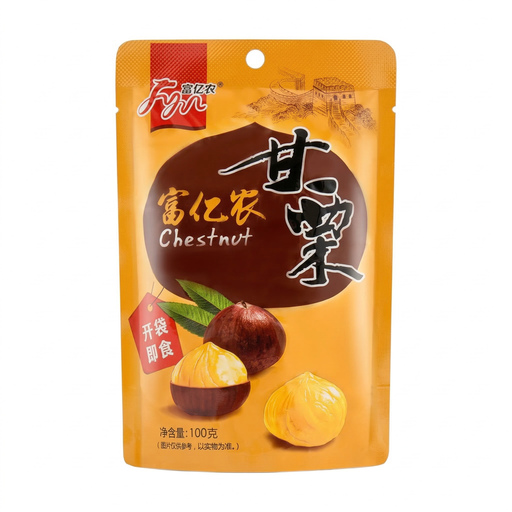
Fu Yi Nong Chestnut 100g
The 100g pack is a chestnut option to consider if you want a nut-style snack after exercise. Check its current nutrition label to see how its fat, carbohydrate and protein values fit your plans.
View on Joybuy
 No image available
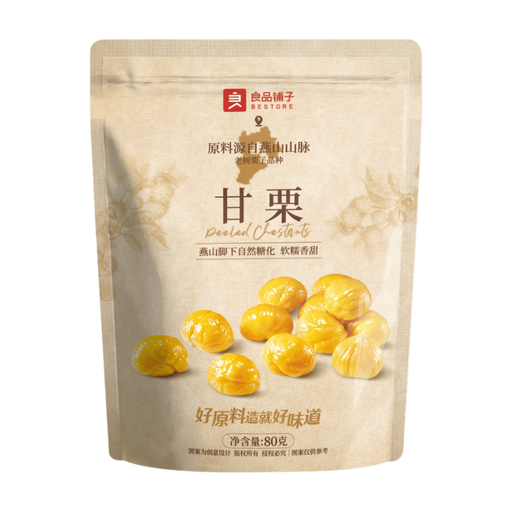
Bestore Chestnut 80g Bag
This 80g chestnut bag is a smaller-pack option for a post-exercise snack. Read its nutrition and storage information on the exact pack before using it in place of another food.
View on Joybuy
 No image available
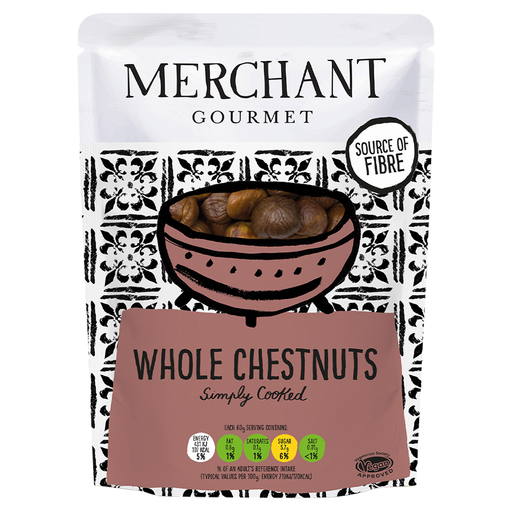
Merchant Gourmet Whole Chestnuts 180g
These whole chestnuts suit a comparison focused on fat and carbohydrate after exercise. Joybuy’s product information lists 1.3 g fat, 33 g carbohydrate and 3.8 g protein per 100 g; Sainsbury’s lists different fat and protein figures for its 180 g listing, so use the label on the pack you receive for your decision.
View on Joybuy
 No image available
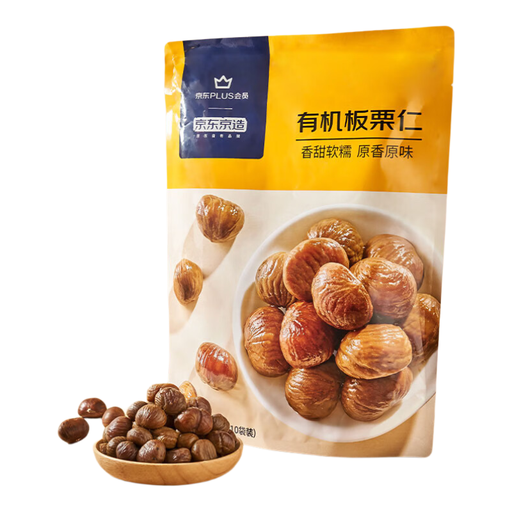
J.ZAO S++ Grade Whole Chestnuts, 1 kg (10 Sachets)
Ten sachets provide separate portions to plan across more than one occasion. Check the nutrition declaration for this product and the storage directions for each sachet before choosing the larger pack.
View on Joybuy
 No image available
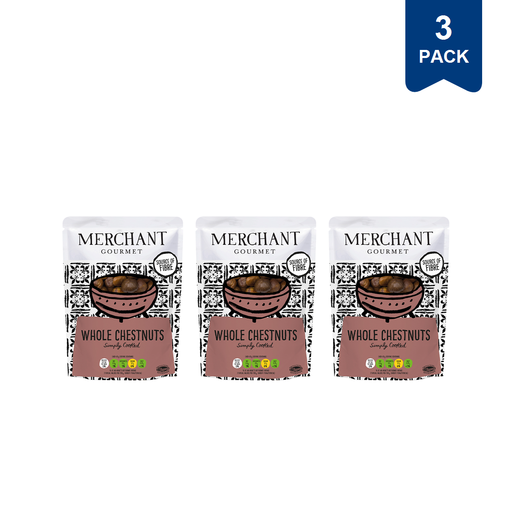
Merchant Gourmet Whole Chestnuts 180g (3 Packs)
This three-pack is an option if you plan to use chestnuts on several occasions. Check the nutrition label and the directions for storing an opened pack; do not treat all three packs as one post-workout serving.
View on Joybuy
Questions about post-workout snacks
Are chestnuts a lower-fat nut-style option after exercise?
Plain chestnuts are a useful option when reducing fat is the priority: Sainsbury’s lists Merchant Gourmet Whole Chestnuts at 1.6 g fat per 100 g, and M&S lists its Whole Chestnuts at 1.5 g per 100 g. Both also list carbohydrate, but neither product needs to be your entire post-workout meal.
Do I need to eat carbohydrate immediately after every workout?
Not necessarily. The British Dietetic Association advises starting carbohydrate-rich foods and fluids as soon as possible when quick recovery is required, such as when another training or competition session follows soon. Consider the timing of your next session when planning what to eat.
Are unsalted peanuts the same as reduced-fat peanuts?
No: “unsalted” describes the salt choice, not a reduced-fat claim. If you prefer KP Unsalted Roasted Peanuts but are also comparing total fat, read the nutrition declaration on that exact pack.
What should I check if I have a nut allergy?
Read the current ingredient and allergen declaration for the exact product before eating it. The Food Standards Agency distinguishes peanuts, which are legumes, from tree nuts and identifies nuts as a possible risk for people with a relevant allergy; a product’s familiar name is not enough to establish whether it is suitable for you.
How should I plan for an opened pack of chestnuts?
Follow the storage and use-by directions on the exact pack, including any instructions that apply after opening. If you are choosing a large pouch or multi-pack, consider when you will use the remaining portions.


