Choose plain ready-to-eat chestnuts if reducing the fat in your morning snack is the main aim: Merchant Gourmet Whole Chestnuts list 1.3g fat per 100g, compared with 51g per 100g for KP Unsalted Peanuts listed by Ocado. Peanuts or mixed nuts remain options when you want a crunchy snack, but unsalted does not mean lower in fat. Compare the amount you would eat as well as the per-100g figures, and check the exact pack for allergens.
Who is this choice for?
Tea-break snackers looking for less fat
Plain chestnuts offer a different choice from conventional peanuts. Merchant Gourmet lists 1.3g fat per 100g for its Whole Chestnuts; Ocado lists 51g per 100g for KP Unsalted Peanuts. Expect a softer snack rather than a crunchy peanut substitute.
People portioning conventional nuts
If you prefer peanuts or mixed nuts, decide how much to put aside before opening a larger pack. The British Heart Foundation describes a small handful of nuts as about 30g and notes that this amount can contain 180–225kcal, depending on the nuts.
People checking for allergens
Check the ingredients and allergen information on the exact pack, particularly when buying for someone else. The Food Standards Agency identifies peanuts and tree nuts separately, while UK government guidance says relevant prepacked foods must emphasise allergens that require declaration in their ingredients lists.
What should you check?
Start with fat per 100g to compare products on the same basis. Then check the portion you plan to eat, salt and the exact pack’s allergen information.
Plain ready-to-eat chestnuts
Choose when: reducing fat matters more than keeping the crunch of conventional nuts; Merchant Gourmet Whole Chestnuts list 1.3g fat per 100g.
Bear in mind: chestnuts have a softer texture, and Merchant Gourmet says its opened pouch must be refrigerated and eaten within three days.
Unsalted peanuts
Choose when: you want a crunchy peanut snack and are comparing salt separately from fat; Ocado lists less than 0.01g salt per 30g of KP Unsalted Peanuts.
Bear in mind: the same KP serving contains 15g fat, so unsalted peanuts do not answer a lower-fat requirement.
Plain mixed nuts
Choose when: a crunchy mix matters more to you than reducing total fat.
Bear in mind: Sainsbury’s lists 17.5g fat per 30g of its Mixed Nuts, and a mix may contain several types of tree nut.
| Priority |
What to check |
Your needs |
| Fat content |
Compare fat per 100g before comparing differently sized servings. Check fat per serving for the amount you intend to eat. |
I want to reduce fat, not just choose a product described as unsalted or plain. Merchant Gourmet lists 1.3g per 100g for its Whole Chestnuts; Ocado lists 51g per 100g for KP Unsalted Peanuts. |
| Portion |
Read the stated serving size and energy per serving. Check whether a pouch or bag contains more than the amount you plan to eat. |
For a tea break, I would rather portion a larger bag than assume it is one serving. The British Heart Foundation describes about 30g as a small handful of nuts and gives a range of 180–225kcal for that amount. |
| Salt |
Compare salt per serving separately from fat. Ocado lists less than 0.01g salt per 30g of KP Unsalted Peanuts, alongside 15g fat. |
If salt is my concern, I want to see the salt figure without mistaking it for a lower-fat claim. |
| Allergens |
Read the current pack’s ingredients and allergen statement, including any cross-contact warning. Do not treat peanuts and tree nuts as the same allergen. |
I need to check that the particular snack is suitable for the person who will eat it, especially if I am sharing it at work. |
| Texture and storage |
Decide whether a softer chestnut snack suits the break you have in mind. Check the pack’s instructions for storing any uneaten portion. |
I might prefer chestnuts for their lower stated fat content, but still choose a measured portion of crunchy nuts when texture matters more. |
Common buying mistakes
-
Reading “unsalted” as “lower fat”
Unsalted describes salt, not fat. Ocado lists 51g fat per 100g for KP Unsalted Peanuts despite their low stated salt content.
If fat reduction is your priority, compare fat per 100g first; use the salt figure for a separate decision.
-
Comparing packs without checking serving sizes
A 25g serving of Tesco Mixed Nuts and a 60g serving of Merchant Gourmet Whole Chestnuts are different amounts of food. Comparing their per-serving figures alone can obscure that difference.
Use the per-100g figures for a like-for-like label comparison, then calculate your choice around the amount you expect to eat. UK government guidance explains that traffic-light labelling shows whether fat, saturates, sugars and salt are high, medium or low.
-
Assuming a plain snack needs no allergen check
Plain peanuts and nut mixes can still carry allergen and cross-contact warnings. Marks & Spencer, for example, states that its Natural Nut Medley is unsuitable for people with nut, peanut or sesame allergies.
Read the ingredients and allergen information on the current physical pack before buying or sharing it.
Relevant brand references
These product examples help distinguish a lower-fat chestnut choice from conventional nut snacks; they do not describe every product made by each brand.
Merchant Gourmet
Its ready-to-eat Whole Chestnuts are a softer alternative to a crunchy nut snack.
- Merchant Gourmet lists whole chestnuts as the sole ingredient and 1.3g fat per 100g; Asda labels the product low fat.
- Merchant Gourmet says to refrigerate the pouch after opening and eat its contents within three days.
KP
KP Unsalted Peanuts provide a conventional peanut option when salt and fat are being considered separately.
- Ocado lists 9g protein and less than 0.01g salt per 30g serving.
- The same serving contains 15g fat and 186kcal; unsalted does not mean reduced fat.
Sainsbury's
Its Mixed Nuts provide a plain mixed-nut comparison rather than a lower-fat substitute for chestnuts.
- Sainsbury’s lists less than 0.01g salt and 6.3g protein per 30g serving.
- That 30g serving also contains 17.5g fat and 195kcal.
Tesco
Tesco Mixed Nuts offer another conventional-nut serving to compare on its stated portion basis.
- Tesco lists less than 0.01g salt per 25g serving.
- The 25g serving contains 14.5g fat and 165kcal; note its smaller serving size when comparing it with other packs.
M&S
Natural Nut Medley is a mixed-nut example for shoppers considering variety rather than lower total fat.
- Marks & Spencer lists 0.03g salt per 100g for Natural Nut Medley.
- It lists 56.2g fat per 100g and states that the product is unsuitable for people with nut, peanut or sesame allergies.
Chestnut options on Joybuy
These chestnut products represent the softer, ready-to-eat route for a morning tea break. Check each pack’s nutrition, ingredients and serving information when choosing between sizes and formats.
 No image available
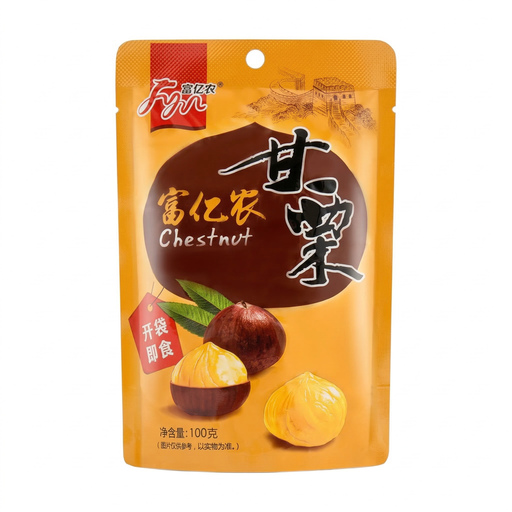
Fu Yi Nong Chestnut 100g
A 100g chestnut pack for a tea break when you would prefer a softer snack to crunchy peanuts. Compare the pack’s fat-per-100g figure with any conventional nuts you are considering.
View on Joybuy
 No image available
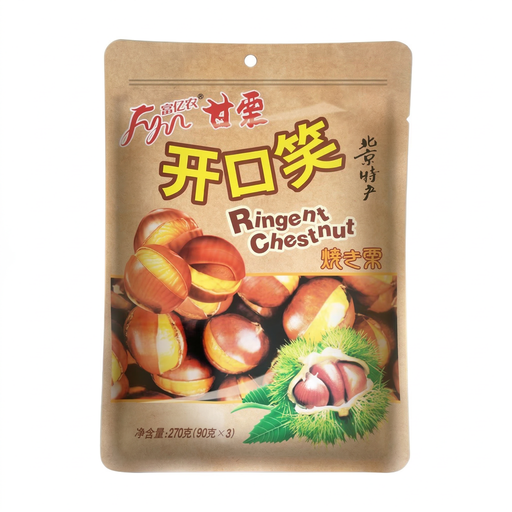
Fu Yi Nong Split-Shell Chestnuts 270g, 3 Packs
Three packs divide the 270g quantity across more than one occasion. The chestnuts have split shells, which still need removing before eating.
View on Joybuy
 No image available
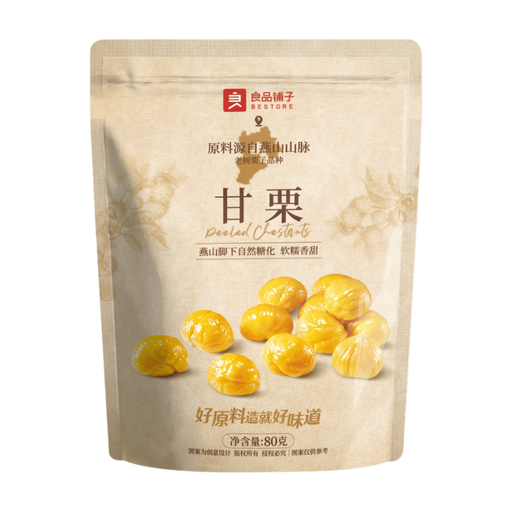
Bestore Chestnut 80g Bag
The 80g bag is a smaller purchase quantity than the larger chestnut packs here. Check its label for the fat figure and allergen information relevant to the person eating it.
View on Joybuy
 No image available
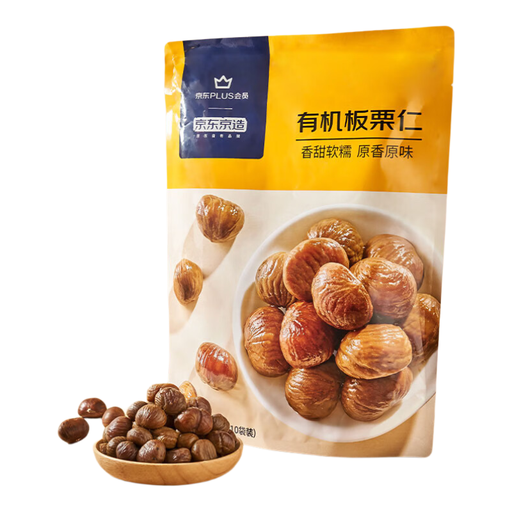
J.ZAO S++ Grade Whole Chestnuts 1 kg, 10 Sachets
Ten 100g sachets divide this 1 kg pack across multiple tea breaks. Consider the larger total quantity if you have not tried this chestnut format before.
View on Joybuy
 No image available
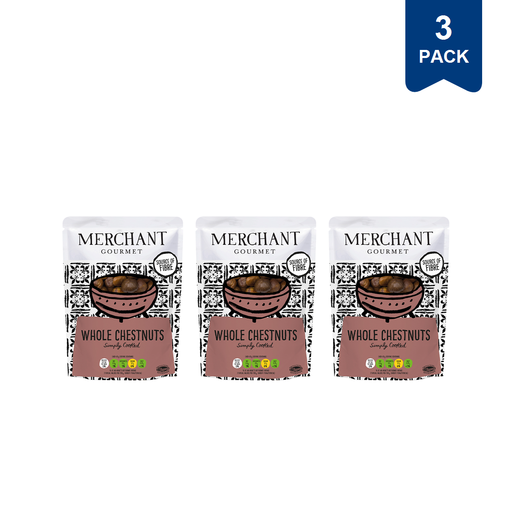
Merchant Gourmet Whole Chestnuts 180g, 3 Packs
For the 180g Whole Chestnuts pouch, Merchant Gourmet lists whole chestnuts as the sole ingredient and 1.3g fat per 100g. This listing contains three packs; the brand says to refrigerate an opened pouch and eat its contents within three days.
View on Joybuy
Questions about tea-break nuts
Are unsalted peanuts lower in fat?
Unsalted describes salt content, not fat content. Ocado lists 51g fat per 100g and 15g per 30g serving for KP Unsalted Peanuts, alongside less than 0.01g salt per serving. Compare fat separately if that is the reason you are changing snacks.
How do chestnuts compare with conventional nut snacks?
Merchant Gourmet Whole Chestnuts are a lower-fat choice than the specific conventional nuts compared here: the brand lists 1.3g fat per 100g, while Ocado lists 51g per 100g for KP Unsalted Peanuts. Chestnuts are softer, so the choice also depends on whether you want the crunch of peanuts or mixed nuts.
What portion of conventional nuts should I compare?
About 30g is a useful comparison point: the British Heart Foundation describes it as a small handful and says 30g of nuts can contain 180–225kcal, depending on type. Check the serving on your chosen pack and measure the amount you intend to eat rather than assuming the whole bag is one portion.
Do packaged chestnuts and nuts need an allergen check?
Yes—check the exact pack before eating or sharing it. The Food Standards Agency distinguishes peanuts from tree nuts, and UK government guidance says allergens that require declaration must be emphasised in the ingredients list on relevant prepacked food. Also read any cross-contact warning for that particular product.


