What should you check before buying?
Start with the sugar-free label and a pack size that matches how often you expect to chew gum after supper. Then check the flavour, ingredients and whether chewing is comfortable for you.
| Priority | What to check | Your needs |
|---|
| After-supper use |
Look for a sugar-free label on the exact pack. The Oral Health Foundation discusses chewing sugar-free gum for about 20 minutes after eating or drinking; keep normal bedtime brushing in your routine. |
I want something to chew after supper when I cannot brush straight away, without treating it as a substitute for brushing. |
| Pack size |
Check the number of pieces and whether they come in a small pack, multipack or bottle. Choose a quantity you expect to use. |
A small pack suits my occasional late supper; a larger format is relevant if gum is used more regularly or shared. |
| Flavour |
Check whether the exact variant is mint, fruit or another flavour, as well as its sugar-free label. The NHS suggests sugar-free gum or mints after strong-smelling food and drinks. |
After garlic or other strongly flavoured food, I would choose a flavour I actually like chewing. |
| Ingredients |
Read the current sweetener list, allergen declaration and warnings. Tesco lists soya and several sweeteners for Extra Plus Hydro; Sainsbury’s lists excessive-consumption and phenylalanine warnings on specified Extra packs. |
I need to check whether this particular pack contains an ingredient or warning relevant to me, rather than assuming all sugar-free gum has the same recipe. |
| Comfort when chewing |
Consider whether chewing aggravates jaw symptoms. Gloucestershire Hospitals NHS Foundation Trust advises that jaw-joint problems are commonly made worse by chewing; ask your dental team about gum if you have an appliance that may make it unsuitable. |
If chewing hurts or my dental appliance makes gum awkward, I would choose another way to finish supper. |
Which brands offer relevant options?
These brand examples illustrate formats and label checks; the ingredients of one product do not establish the recipe of every variant.
Extra / Wrigley’s Extra
UK listings include sugar-free Extra products in small packs and bottle formats, with mint and fruit-flavoured variants.
- A Sainsbury’s listing identifies Extra Strawberry Sugarfree Chewing Gum as a 10-piece pack; a Tesco listing identifies Extra Plus Hydro as a 30-piece bottle.
- Specified Extra listings carry excessive-consumption warnings. Check the exact variant for sweeteners, phenylalanine information and allergens; Tesco lists soya for Extra Plus Hydro.
Airwaves
Tesco’s chewing-gum listing includes an Airwaves sugar-free multipack.
- The multipack format is worth considering if you expect to use several packs.
- Check the exact product’s flavour, ingredients and pack label before deciding whether it meets your requirements.
Mentos
Tesco’s chewing-gum listing includes Mentos Pure Fresh Fresh Mint in a 70 g format.
- This offers another named mint-flavoured format to compare with smaller packs.
- Confirm the sugar-free claim and ingredient information on the exact variant before choosing it for this purpose.
Sugar-free gum options on Joybuy
These options include a multipack and larger packs of gum for shoppers considering repeated use after supper. Compare their piece counts and flavours with how often you expect to use them, and check the current pack label where ingredients or warnings matter.
 No image available
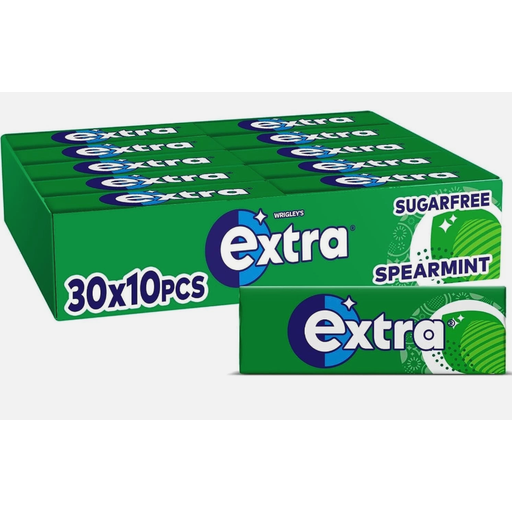
Wrigley Extra Sugar Free Spearmint Gum, 10 Pieces × 30
The separate 10-piece packs may suit repeated use by more than one person after supper. Check the current label for its sweeteners, soya declaration, excessive-consumption warning and phenylalanine statement if relevant.
View on Joybuy
 No image available
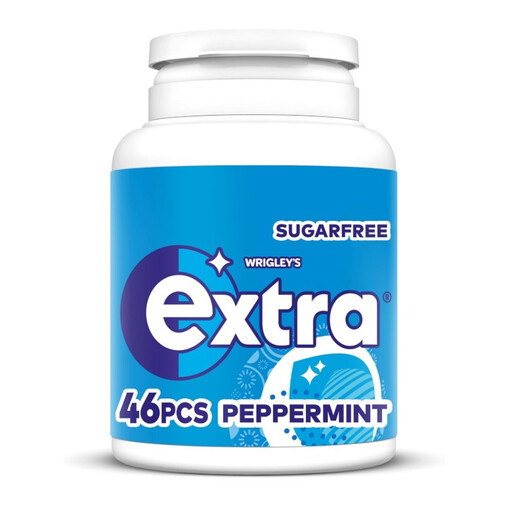
Extra Peppermint Sugar-Free Gum, 46-Piece Bottle
This peppermint bottle gives you 46 pieces if you expect to use gum repeatedly after meals. Its product information identifies aspartame and soya; check the current pack’s full ingredient list, allergen declaration and warnings before buying.
View on Joybuy
 No image available
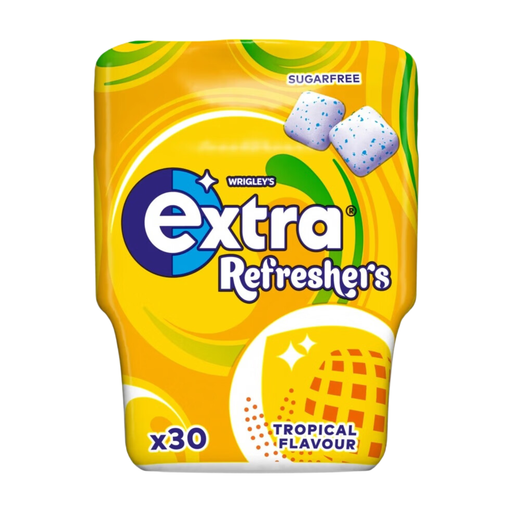
Extra Refreshers Tropical Sugarfree Gum, 30 Pieces, 67 g
This 30-piece tropical-flavoured bottle is another format to consider for repeated post-supper use. Check the current pack for its soya declaration, excessive-consumption warning and phenylalanine statement if relevant.
View on Joybuy
 No image available
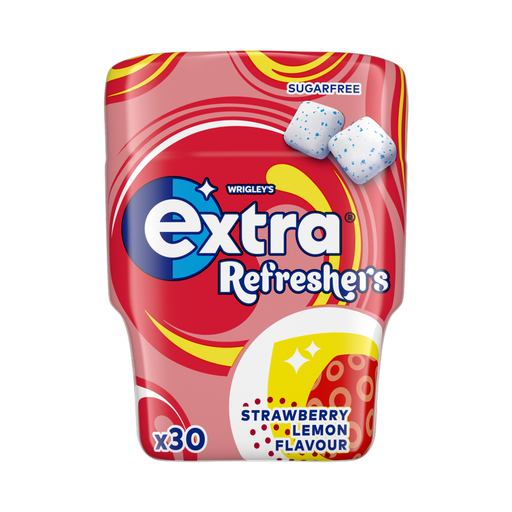
Wrigleys Extra Strawberry Lemon Refreshers, 30 Pieces, 67 g
This strawberry-and-lemon pack offers 30 pieces for post-meal use. Its product information identifies it as sugar-free and lists soybeans and possible traces of milk; check the current pack for those declarations and its consumption and phenylalanine warnings.
View on Joybuy
Common questions
When should I chew sugar-free gum after a late-night supper?
If chewing is comfortable for you, consider it after eating rather than as a replacement for brushing. The Oral Health Foundation says chewing sugar-free gum for about 20 minutes after eating or drinking can help the mouth return to a less acidic level more quickly. Still brush before bed.
Is sugar-free gum an option when my mouth feels dry at night?
The NHS lists chewing sugar-free gum among self-care suggestions for dry mouth, alongside drinking water. If dryness persists or makes eating or talking difficult, speak to a pharmacist, dentist or GP instead of relying on gum.
Why do some packs mention phenylalanine or excessive consumption?
Labels for specified Extra products at Sainsbury’s and Tesco carry phenylalanine or excessive-consumption statements, and the Tesco Extra Plus Hydro listing names several sweeteners. Check the wording on the exact pack you intend to buy, since ingredients and warnings differ between variants.
What if chewing gum hurts my jaw or conflicts with a dental appliance?
Do not keep chewing gum if it aggravates jaw discomfort: Gloucestershire Hospitals NHS Foundation Trust advises that chewing commonly worsens jaw-joint problems. If you wear dentures or braces and are unsure whether gum is suitable, ask your dental team.


