What matters when choosing a snack?
Start with the child's age and eating ability, then consider the food itself and how you will serve it.
| Priority | What to check | Your needs |
|---|
| Choking hazards |
Exclude chewing gum for babies and young children, as the NHS advises. Consider the shape and texture of other foods and how they need preparing. |
I need a snack my child can manage at their eating stage, with an adult present while they eat. |
| Everyday food choice |
The NHS advises avoiding sugary snacks for babies and young children. Its examples for young children include fruit, plain unsweetened yoghurt, toast, crackers and unsalted rice cakes. |
For routine snack time, I want to choose food separately from any chocolates I am buying as a gift. |
| Age and eating stage |
The NHS says children under 1 should not be given snacks. For an older child, check the pack's age guidance and whether the texture matches their eating ability. |
My child's age matters more than an age label alone: I need to decide whether a snack is appropriate at all, then how to serve it. |
| Serving and ingredients |
Follow the product's serving directions, check the full ingredient and allergen label, and prepare food appropriately. Department for Education guidance says babies and young children must not be left alone while eating. |
Before serving a packaged snack, I want to check it against my child's dietary needs and make time to supervise them. |
Relevant brand references
No brand references to display.
Joybuy snack options to assess
These age-labelled fruit pouches and child-focused snacks are options to assess for a child aged 1 or over, not chewing gum or boxed chocolates. Check each pack against the child's eating ability and dietary needs; an age label does not change the NHS advice that children under 1 should not be given snacks.
 No image available
Ella's Kitchen Organic Mango Greek Style Yoghurt Pouch 6+ Months 90g
A mango yoghurt pouch to consider when choosing a spoon-served option for a child aged 1 or over. Serve the contents on a spoon or in a bowl, keep the cap out of reach and check the label for milk and other dietary requirements.
View on Joybuy
 No image available
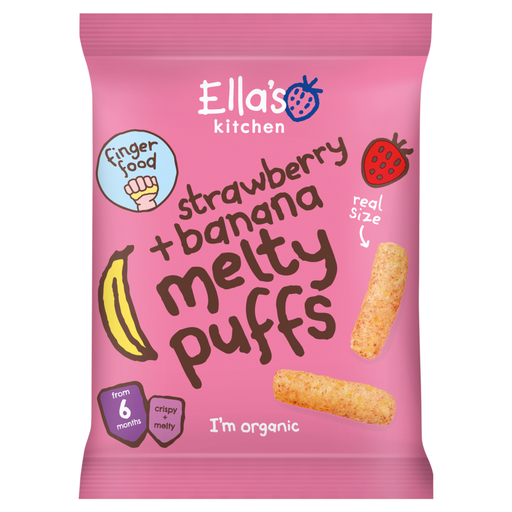
Ella's Kitchen Organic Strawberry & Banana Melty Puffs 6+ Months 20g
Fruit-flavoured puffs to assess for a child aged 1 or over who is ready for self-feeding. Confirm the age guidance on the pack, as the product information gives differing ages; keep the child seated and supervised, and check the allergen label.
View on Joybuy
 No image available
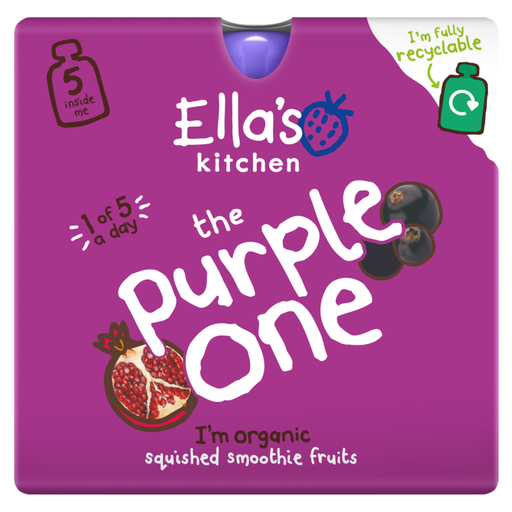
Ella's Kitchen The Purple One Snack 6+ Months 5 x 90g
A fruit pouch option to assess for a child aged 1 or over. Serve the contents on a spoon, keep the cap out of reach and supervise eating. Check the nutrition label, including sugars per 100g, when comparing routine snack options.
View on Joybuy
 No image available
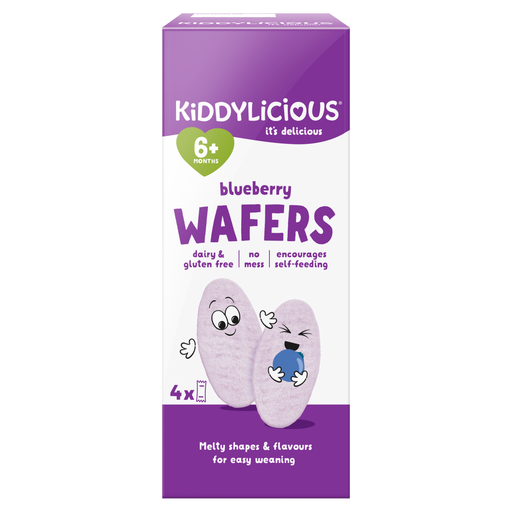
Kiddylicious Blueberry Wafers 6+ Months 4 x 4g
A hand-held wafer option for a child aged 1 or over who can manage firmer textures. Check that this matches the child's eating ability, seat and supervise them while eating, and check the label for milk and wheat.
View on Joybuy
 No image available
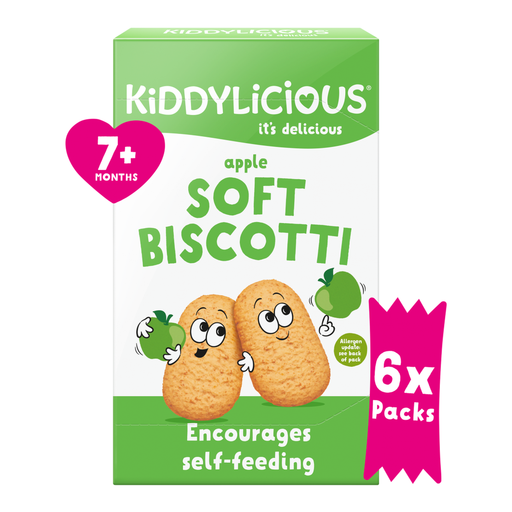
Kiddylicious Apple Soft Biscotti 7+ Months 6 x 20g
An apple biscotti to assess for a child aged 1 or over, with a texture that can be softened according to the product directions. Check its sugars per 100g when considering routine snacks, review the allergen label, and seat and supervise the child while eating.
View on Joybuy
Common questions
Can a toddler have chewing gum as a snack?
No. The NHS says babies and young children should not have chewing gum because it is a choking hazard. Department for Education early-years guidance also says not to give it to babies and young children.
Are boxed chocolates a substitute for a toddler snack?
Not for routine snack time. The NHS advises avoiding sugary snacks for babies and young children because they can cause tooth decay. A chocolate gift can remain a separate purchase; for a young child who has snacks, NHS examples include fruit, plain unsweetened yoghurt and toast.
What snacks does the NHS suggest for young children?
NHS examples include fruit, plain unsweetened yoghurt, toast, crackers, breadsticks and unsalted rice cakes, with suitable accompaniments. The NHS also says children under 1 should not be given snacks, so an age label starting below 1 year is not, by itself, a reason to offer food between meals.
How should toddler snack foods be served?
Prepare them for the child's age and eating ability, and stay with the child while they eat. Department for Education guidance addresses food shape and texture, including cutting small round foods lengthways and into smaller pieces and slicing or softening firm fruit for younger children.


