Hosts offering gum to adults
A countable bottle or separate small packs can work when gum is an optional refreshment, rather than a favour placed in every guest’s bag.


For an optional refreshment kept with an adult, choose a gum bottle by its stated piece count; choose a multipack if you want separate handouts instead. Do not put gum in babies’ or young children’s favours: the NHS identifies it as a choking hazard for them. Keep the original packaging available so guests can check ingredients and allergens for the exact product.
A countable bottle or separate small packs can work when gum is an optional refreshment, rather than a favour placed in every guest’s bag.
Keep gum away from babies and young children, including in favour bags and snack areas they can reach. The NHS identifies chewing gum as a choking hazard for them.
Retain the original packaging so guests can check the ingredients and declared allergens of the precise flavour offered.
Decide who can access the gum before choosing between a shared container and separate packs. Then count the intended recipients against the quantity stated on the pack.
Choose it when: an adult can hold and offer gum as an optional refreshment; Tesco lists Extra 46-piece bottles, while Mentos UK describes a 35-piece Freshmint bottle.
Trade-off: a stated piece count helps with planning, but an open bottle is not a set of separate handouts.
Choose them when: you want to hand gum to selected recipients rather than set out a shared container; Tesco lists an Extra 5 × 10-piece multipack.
Trade-off: each recipient can retain a pack, but you need to plan by both the number of packs and the pieces in each.
Choose this approach when: babies or young children could reach favour bags, bowls or table displays.
Practical boundary: gum can remain a separate, adult-managed option; the NHS says babies and young children should not have it because it is a choking hazard.
| Priority | What to check | Your needs |
|---|---|---|
| Age and access | Keep gum out of babies’ and young children’s favours. Check where a bottle or pack will be stored and who will hand it out; the NHS identifies gum as a choking hazard for these age groups. | I want any gum offered to remain separate from treats that young children can reach. |
| Quantity and format | Read the piece count and, for a multipack, the number of separate packs. Tesco lists 46-piece bottles and a 5 × 10-piece Extra multipack; Mentos UK describes a 35-piece Freshmint bottle. | A single container could suit an adult-managed table, while separate packs make more sense if I plan to hand them out. |
| Ingredients and allergens | Check the ingredients and declared allergens on the exact pack. Keep its packaging available instead of relying on a flavour name or a sugar-free description. | I need guests with dietary requirements to be able to inspect the product information before taking gum. |
The NHS says babies and young children should not have chewing gum because it is a choking hazard. A bag or bowl within their reach defeats an adult-only plan.
Keep gum separate from children’s favours and have an adult manage any handouts.
A bottle and a multipack distribute gum differently, even when both have a stated piece count.
Count the intended recipients, then check both the quantity and whether you need separate packs or a shared container.
That description does not tell a guest everything in the gum or identify every declared allergen.
Keep the original packaging available and check the label for the exact flavour being offered.
Tesco lists Extra sugar-free gum in 46-piece bottles and a 5 × 10-piece Spearmint multipack, giving hosts a choice between a container and separate packs.
Mentos UK describes its Pure Fresh Freshmint gum in a 35-piece bottle format.
Tesco’s chewing-gum listings provide examples of bottle and multipack formats, rather than a dedicated format for christening favours.
These gum packs offer different flavours, stated counts and container formats for an adult-managed refreshment at a christening. Keep every option away from babies and young children, and check the exact pack for dietary information.
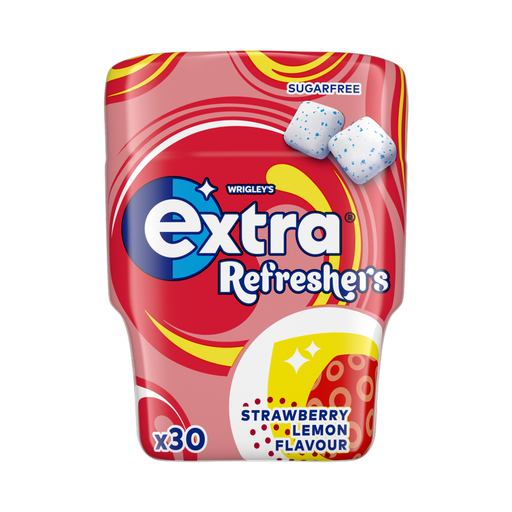 No image available
The product description identifies 30 individually wrapped pieces, which can be handed to selected guests rather than left out as a shared supply. Keep them away from babies and young children; check the exact pack’s ingredients and allergens before offering them to guests with dietary needs.
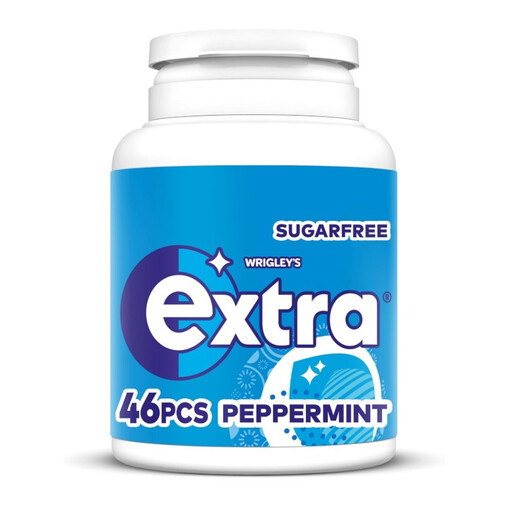 No image available
The 46-piece bottle provides a stated count for an adult-managed refreshment. Keep it out of babies’ and young children’s reach, and check the exact pack’s ingredient and allergen information for guests with dietary needs.
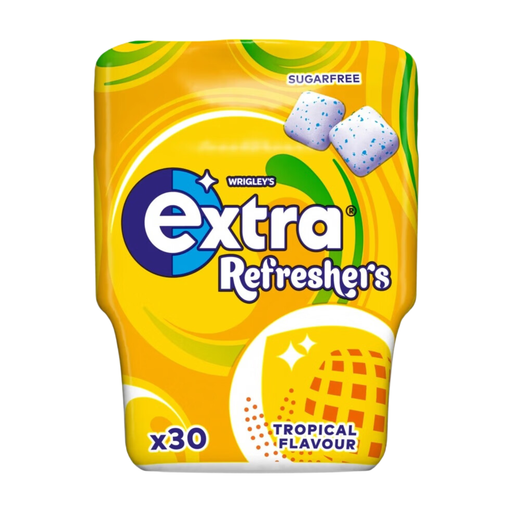 No image available
This 30-piece bottle offers a countable supply if an adult will manage access. Keep it away from babies and young children, and check the exact pack for ingredients, allergens and its phenylalanine notice when considering guests’ dietary needs.
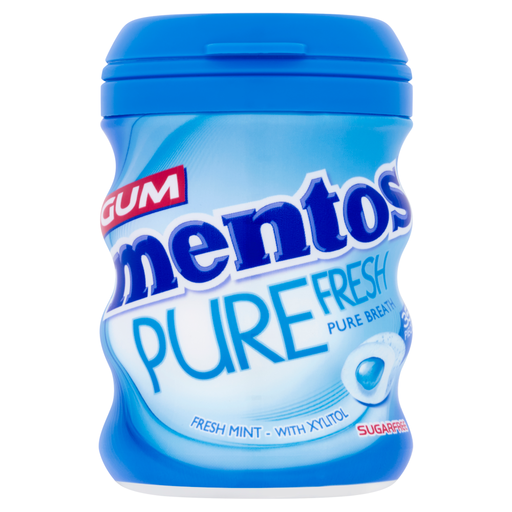 No image available
The stated 35-piece count helps with quantity planning for a supply kept with an adult. Do not leave the pack where babies or young children can reach it; check its label for ingredients, allergens and the phenylalanine notice.
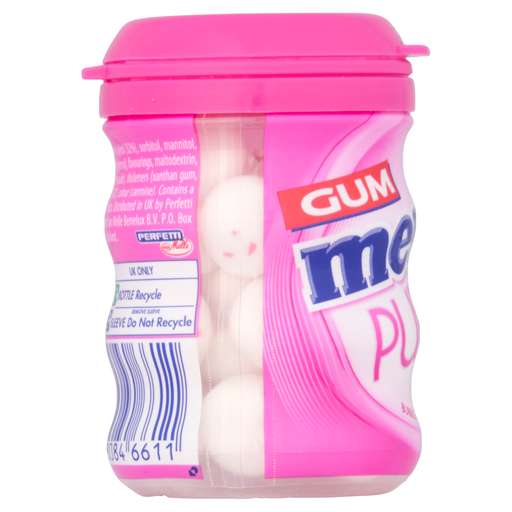 No image available
This bottle can be kept with an adult rather than placed among children’s treats. If planning portions, check the piece count on the pack; also check its ingredients, allergens and phenylalanine notice for guests with dietary needs.
No. The NHS says babies and young children should not have chewing gum because it is a choking hazard. Keep it out of their favour bags and any bowls or displays they can reach.
Choose a bottle if an adult will manage one shared supply; choose a multipack if you want separate handouts. Tesco lists a 5 × 10-piece Extra multipack, while its Extra bottle listings include 46-piece formats. Neither approach makes gum suitable for babies or young children.
Keep it available so guests can check the ingredients and declared allergens for the exact product and flavour offered. A sugar-free description or an unlabelled bowl cannot provide the same product-specific information.
Yes. Check the pack’s date and storage instructions. GOV.UK explains that a best-before date concerns quality, while a use-by date concerns safety for foods that carry one.