Choose chewing gum by its sugar, polyol and ingredient information rather than looking for a dark or high-cocoa variety: Diabetes UK’s cocoa guidance concerns chocolate, not gum. Sugar-free gum can still contain carbohydrate from polyols, so check the exact pack and its warnings; if you adjust insulin for carbohydrate, ask your diabetes care team how to account for the product you use.
Who is this choice for?
People with diabetes comparing gum labels
A sugar-free claim is a starting point, not the whole carbohydrate picture. Diabetes UK explains that polyols contain carbohydrate and generally affect blood glucose less than sucrose; anyone adjusting insulin for carbohydrate needs advice for their individual plan.
People who chew gum after meals
For post-meal use, a University Hospitals Birmingham NHS Foundation Trust dental leaflet describes chewing sugar-free gum after meals or snacks as a way that may increase saliva. It does not replace brushing with fluoride toothpaste.
Adults dealing with a dry mouth
The NHS lists chewing sugar-free gum among self-care options for dry mouth. If symptoms persist, are painful or make eating difficult, seek medical advice rather than relying on gum.
What should you check?
Start with the exact pack’s nutrition and ingredient labels, then choose a flavour and format you will use comfortably.
| Priority | What to check | Your needs |
|---|
| Sugars and polyols |
Read the sugars and carbohydrate figures with their stated basis, such as per 100g or per serving. Check the ingredients for named polyols; do not read “sugar-free” as “carbohydrate-free”. |
I want to compare gum against my own carbohydrate-counting plan, rather than decide from the front-of-pack claim alone. |
| Pack warnings |
Read the sweetener and phenylalanine warnings where present. GOV.UK says foods containing more than 10% polyols require an excessive-consumption laxative-effect warning. |
If I chew gum repeatedly, I want to notice the pack warning and stop or cut back if it causes digestive discomfort. |
| Reason for chewing |
Choose a flavour and pack format that fit the occasion. The NHS lists sugar-free gum as a dry-mouth self-care option; an NHS dental leaflet discusses chewing it after meals or snacks. |
A small pack may suit chewing away from home, while a bottle may suit a place where I keep gum. Persistent dry-mouth symptoms need medical advice. |
| “Dark” wording |
Check whether a cocoa claim refers to chocolate rather than chewing gum. For gum, compare the nutrition panel, ingredients and sweetener information instead. |
I do not want to apply dark-chocolate guidance to a different food category. Diabetes UK’s discussion of around 70% cocoa concerns chocolate. |
Common buying mistakes
-
Reading “sugar-free” as “carbohydrate-free”
Polyols are carbohydrate-containing sweeteners. Asda lists 0g sugars but 71g polyols per 100g for Extra Plus 7 Peppermint, illustrating why the two figures should not be treated as interchangeable.
Compare the figures on the exact pack and ask your diabetes care team about carbohydrate counting if you adjust insulin.
-
Overlooking the polyol warning
Frequent consumption matters when a gum carries an excessive-consumption laxative-effect warning. GOV.UK specifies this warning for foods containing more than 10% polyols.
Follow the pack warning and reduce or stop use if the gum causes digestive discomfort.
-
Using cocoa percentage to choose gum
Diabetes UK discusses high-cocoa choices in its guidance on chocolate. Cocoa percentage does not tell you the sugars or sweeteners in a chewing gum.
For gum, use the exact nutrition and ingredients label, then decide whether its flavour and format suit you.
Brand references for comparing labels
These label examples concern specific products; check the flavour and pack you intend to buy rather than assuming every product from a brand has the same ingredients.
Extra
Asda’s listing for Extra Plus 7 Peppermint provides an example of a sugar-free peppermint gum label.
- The listing gives 0g sugars and 71g polyols per 100g, making both figures available for comparison.
- This product carries phenylalanine and excessive-consumption laxative-effect warnings; check the label of the particular Extra variant you choose.
Mentos
Mentos Pure Fresh Freshmint is a sugar-free gum with xylitol in Asda’s product listing.
- Asda lists 0g sugars and 70g polyols per 100g for this Freshmint product.
- Its listing carries phenylalanine and excessive-consumption laxative-effect warnings. Other flavours need their own label check.
Airwaves
Airwaves Menthol & Eucalyptus is a menthol-and-eucalyptus flavour option for shoppers comparing gum labels.
- Asda lists 0g sugars and 59.1g polyols per 100g for this product.
- The listing carries a phenylalanine warning. Its flavour and nutrition figures should not be assumed to apply to other Airwaves variants.
Sugar-free gum options on Joybuy
These options cover mint and tropical-flavoured sugar-free gums in individual packs or larger containers. Compare the exact pack labels if sugars, polyols, ingredients or warnings affect your choice.
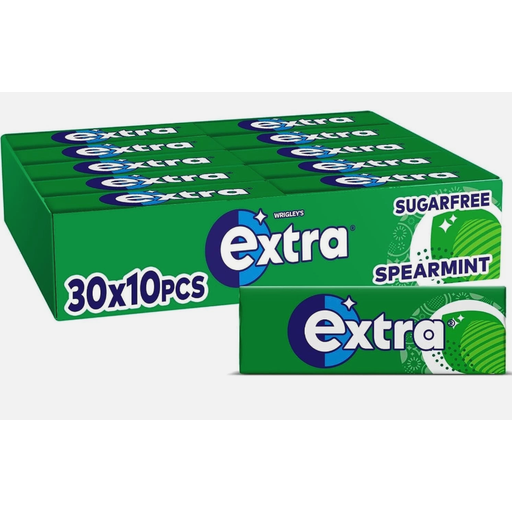 Image unavailable
Wrigley Extra Sugar-Free Spearmint Gum, 10 pieces × 30
The individual packs suit someone who wants to keep spearmint gum in more than one place. Check the exact pack for its sugars, polyols, ingredients and consumption warnings before using it for carbohydrate counting.
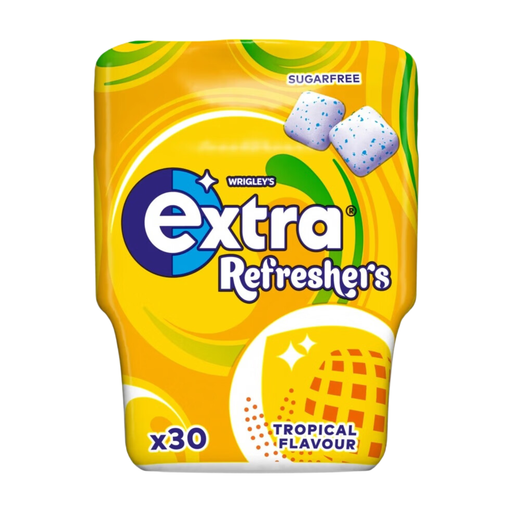 Image unavailable
Extra Refreshers Tropical Sugar-Free Gum, 30 pieces, 67g
The bottle and tropical flavour offer a different format and flavour from individually packed mint gum. Read its own nutrition panel and sweetener warnings; the sugar-free description alone does not establish its polyol amount.
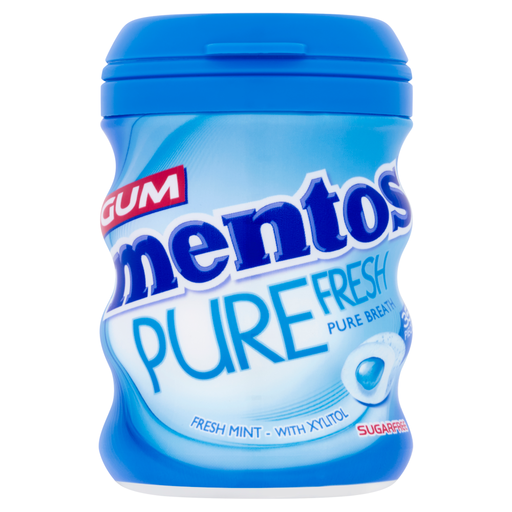 Image unavailable
Mentos 35 Gum Pure Fresh Mint, 70g
This fresh-mint pack is an option for someone who prefers mint to a fruit flavour. If carbohydrate counting matters to you, compare the sugars and polyols on this exact pack rather than using figures for another Mentos flavour.
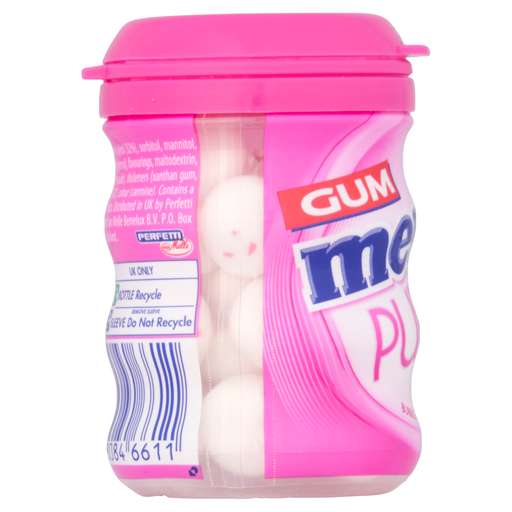 Image unavailable
Mentos Pure Fresh Bubblefresh Gum, 70g
Bubblefresh gives you a non-mint flavour to consider in a 70g pack. Check this variant’s ingredients, nutrition basis and warnings separately from the Pure Fresh Mint product.
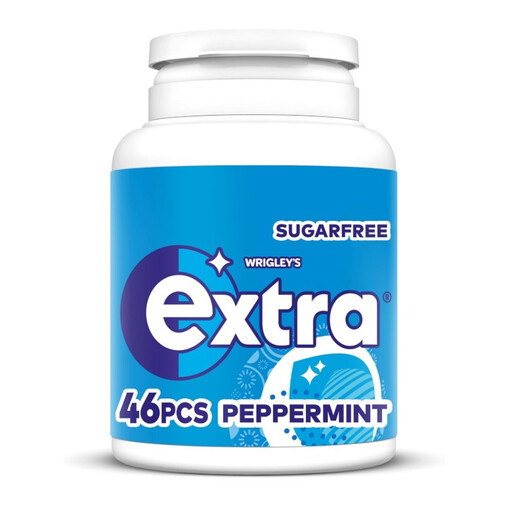 Image unavailable
Extra Peppermint Sugar-Free Gum, 46-piece bottle
The 46-piece bottle suits someone who wants to keep mint gum in one container. Confirm the exact flavour on the pack, and check the basis of its nutrition figures and any sweetener or consumption warnings before comparing it with other gums.
Questions about choosing gum
Is sugar-free gum automatically suitable if I have diabetes?
No single sugar-free claim answers that for every person. Diabetes UK explains that polyols contain carbohydrate and calories, although they generally affect blood glucose less than sucrose. Check the exact gum’s label and ask your diabetes care team how to account for it if you adjust insulin for carbohydrate.
Should I look for dark or high-cocoa chewing gum?
Use gum’s nutrition and ingredients label rather than cocoa percentage as your selection criterion. Diabetes UK discusses around 70% cocoa in relation to dark chocolate; that advice does not describe the sugars or sweeteners in chewing gum.
Why does sugar-free gum carry a laxative-effect warning?
GOV.UK says foods containing more than 10% polyols must carry an excessive-consumption laxative-effect warning. Read the warning on your chosen pack and reduce or stop use if you experience digestive discomfort.
Can I chew sugar-free gum when my mouth feels dry?
The NHS lists chewing sugar-free gum as a self-care option for dry mouth. Seek medical advice if the dryness persists, is painful or makes eating difficult.
Does chewing sugar-free gum after meals replace brushing?
No. A University Hospitals Birmingham NHS Foundation Trust dental leaflet says chewing sugar-free gum after meals or snacks for 10–15 minutes may increase saliva, but it also recommends brushing twice daily with fluoride toothpaste.


