What should you check before buying?
Decide whether the item is for carbohydrate during the run or simply for freshness. For fuel, work from the run duration and labelled servings, not the pack’s pocket size.
A labelled carbohydrate product
Choose when: You need to plan carbohydrate intake during a longer training session.
Consider: You still need to check servings, carry the product and practise the schedule in training.
A single pack of sugar-free gum
Choose when: You want gum for freshness separately from your fuelling plan.
Consider: The checked Extra and Airwaves packs list carbohydrate as polyols and warn about excessive consumption.
| Priority |
What to check |
Your needs |
| Carbohydrate servings |
Read the grams per serving and work out how you would carry and consume servings over the run. World Athletics describes 30–60 g per hour for 1–2.5-hour endurance events and up to 90 g per hour for events over 2.5 hours. |
For a longer session, I want portions I can use to practise a planned intake during training. |
| Carbohydrate type |
Read the ingredients and carbohydrate breakdown. The checked Extra and Airwaves sugar-free gums list carbohydrate as polyols; World Athletics gives glucose and glucose-plus-fructose examples for endurance intake. |
A carbohydrate figure alone is not enough for me: I want to know what the product contains before treating it as run fuel. |
| Use during a run |
Check the serving format, any preparation needed and how you would carry it. Practise consuming the product during training rather than introducing it for the first time on an important run. |
I need a serving routine that works with the way I carry a drink, gel or other fuel. |
| Sweeteners and warnings |
Check the current gum pack for polyols, its excessive-consumption warning and any aspartame or phenylalanine statement. The NHS says polyols can have a laxative effect in large amounts and aspartame is unsuitable for people with PKU. |
If I choose gum for freshness, I want to check its ingredients and keep it separate from my carbohydrate plan. |
Which gum labels inform this choice?
These are references for comparing gum labels, not recommendations for marathon fuel or an indication that the products appear in the Joybuy selection below.
Extra
A checked UK listing for Extra Spearmint describes a sugar-free, 10-piece pack.
- The single retail pack offers a compact gum format if you want gum for freshness.
- Sainsbury’s lists the checked product’s carbohydrate as polyols and sugars as less than 0.1 g per 100 g; its label warns that excessive consumption may produce laxative effects. It is not a substitute for a planned carbohydrate serving during a run.
Airwaves
A checked UK listing describes Airwaves Menthol & Eucalyptus Sugarfree Chewing Gum as a 10-piece, 14 g pack.
- The listed pack provides a compact menthol-and-eucalyptus gum option for freshness.
- ASDA lists 0 g sugars and 59.1 g polyols per 100 g for this product, alongside an excessive-consumption laxative warning. Those label details do not make it a planned endurance-fuel serving.
Joybuy options for planning run fuel
These gels, drinks and a powder are alternatives to treating a single pack of gum as marathon-training fuel. Their formats and pack sizes differ; check each current label for carbohydrate per serving and plan how you would use it during training.
 No image available
Applied Nutrition Endurance Elite Tri-Source Lemon & Lime Energy Gel, 40 g carbs, 20 gels
A gel format to consider when you want to plan individual carbohydrate servings for longer runs. The product title states 40 g carbs and a pack of 20 gels; check the current label’s ingredients, serving directions and use restrictions before working it into a training plan.
View on Joybuy
 No image available
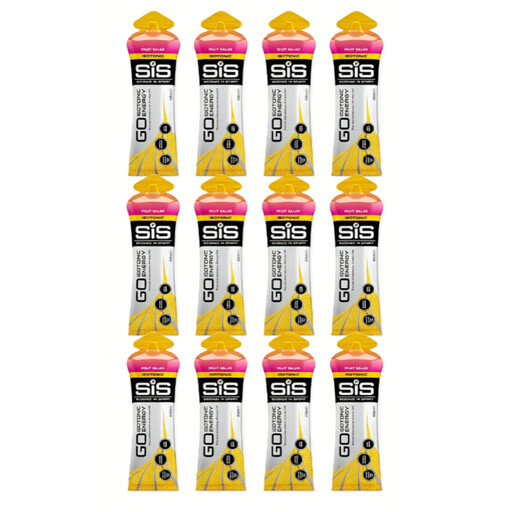
Science in Sport GO Isotonic Fruit Salad Gel, 60 ml, 12 packs
Individual gels may suit a plan built around portions you can carry during a run. This Fruit Salad product comes as twelve 60 ml packs; check the carbohydrate per pack and ingredients before setting a serving schedule.
View on Joybuy
 No image available
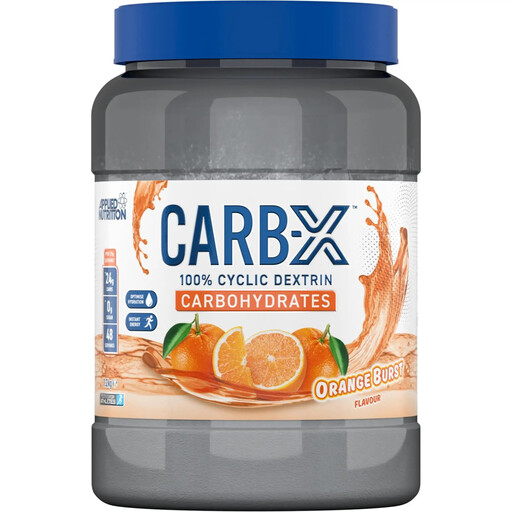
Applied Nutrition Carb X Orange Burst Carbohydrate Powder, 1.2 kg
A powder is an option if you can prepare and carry a drink rather than take a ready-to-consume gel. This is a 1.2 kg Orange Burst pack; check the mixing directions and carbohydrate per prepared serving when planning your run.
View on Joybuy
 No image available
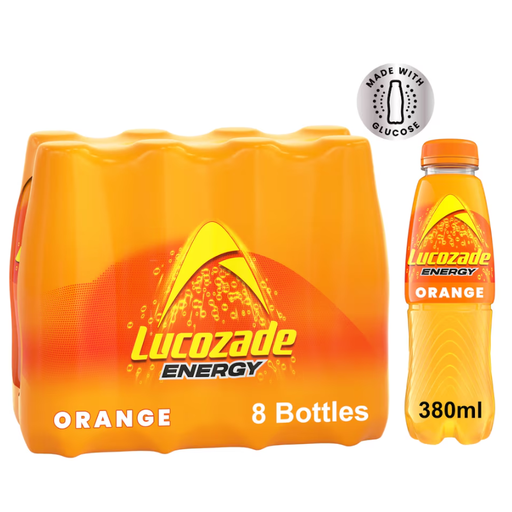
Lucozade Energy Orange, 8 × 380 ml
A bottled drink is worth considering if you prefer to plan around a drink serving rather than a gel. The pack contains eight 380 ml bottles; check carbohydrate per bottle, caffeine and carbonation on the current label, and try the format in training.
View on Joybuy
 No image available
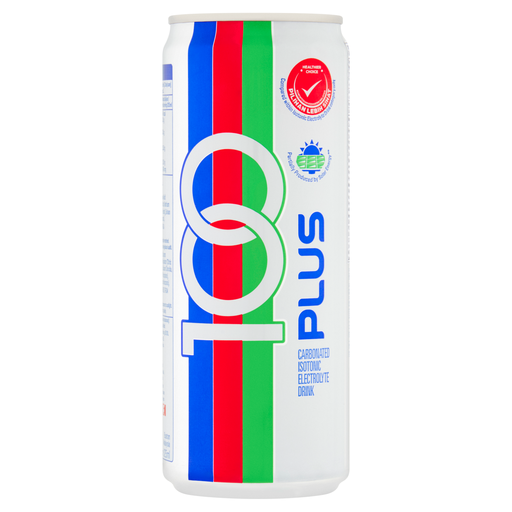
F&N 100 Plus Malaysian Carbonated Isotonic Electrolyte Drink, 325 ml, Halal
A 325 ml bottled option if you want to assess a drink serving for your run. It is described as carbonated; check the carbohydrate per bottle against your intended intake and practise carrying and drinking it during training.
View on Joybuy
Questions about gum and long-run fuel
Can chewing gum replace gels or drinks as marathon-training fuel?
Do not use the checked sugar-free gums as substitutes for planned carbohydrate servings: their labels list carbohydrate as polyols. World Athletics describes glucose-based strategies and gives guidance of 30–60 g carbohydrate per hour for 1–2.5-hour endurance events, rising to up to 90 g per hour for events over 2.5 hours. Check the type and grams of carbohydrate per serving in a product intended for your fuelling plan.
Does a single pack of Extra provide a long-run fuel serving?
Do not count the checked sugar-free Extra pack as a planned long-run carbohydrate serving. Sainsbury’s lists its carbohydrate as polyols rather than the glucose-based examples in World Athletics’ endurance guidance; the number of pieces in a pack does not tell you how it would fit an hourly fuelling plan.
Why do the checked sugar-free gums carry a laxative warning?
The Extra and Airwaves labels warn that excessive consumption may produce laxative effects. The NHS says polyols, including sorbitol and xylitol, can have a laxative effect when consumed in large amounts. Keep gum separate from your fuelling plan rather than increasing the amount to pursue carbohydrate intake.
What should someone with PKU check on a gum pack?
Check for aspartame and a phenylalanine statement on the current pack. The checked Extra and Airwaves products contain aspartame, which the NHS says is unsuitable for people with phenylketonuria (PKU).
What matters when buying fuel for a longer training run?
Start with the carbohydrate type and grams per serving, then consider how you will carry and consume enough servings for the planned duration. World Athletics gives intake guidance by endurance-event length; practise your chosen product and schedule during training rather than selecting it solely because the pack is small.


