
24/7 Customer Support

Free returns

Same-day & Next-day Delivery

Quality Guaranteed

Unlock Your Welcome Offers: FREE Delivery | Up to 80% OFF | Free 30-day JoyPlus trial
Download the APP
Chewy fruit sweets are an easy choice for film nights, party bags, lunchboxes and an occasional treat. However, colourful packaging and phrases such as “juicy”, “natural” or “family favourite” do not always tell you what you need to know before buying.
The practical choice depends on more than flavour. Pack size, ingredients, texture, allergens and the way the sweets are individually packaged can all affect whether a product suits your household. This guide explains the main buying pitfalls and highlights several options for different shopping needs.
Fruit-flavoured sweets may contain concentrated juice, flavourings or a combination of both. A fruit name on the front of the packet does not necessarily mean the product contains a large quantity of fruit.
Check the ingredients list for details such as:
This is particularly useful when comparing gummy sweets, fruit pastilles and softer chewy sweets. The texture and flavour profile may be more important than the fruit percentage, but the label helps you compare products based on factual information rather than packaging language.
A sharing bag can offer more sweets for parties or family occasions, but it may be less convenient if you want controlled portions. A 300g bag of Fruit-tella Berries and Cherries, for example, contains approximately 48 individually wrapped pieces, while smaller 50g or 70g packs may be easier to take to work, school or social events.
Consider whether you need:
A larger pack is not automatically better value if it is likely to be left open, exposed to heat or forgotten in a cupboard.
Chewy sweets can contain gelatine, soya, milk or other ingredients that matter to different households. Some products are suitable for vegetarians or vegans, while others use pork gelatine or gelatine of unspecified animal origin.
Always check the current packaging before serving, particularly if buying Japanese chewy sweets or imported confectionery. Product information can change, and the pack is the relevant source for allergen and dietary details.
“Chewy” covers several different textures. Soft sweets such as Fruit-tella have a pliable chew, while gummy sweets may be more elastic or gel-like. Fruit pastilles tend to have a firmer, denser bite. Hi-Chew sweets are designed for a longer-lasting chew that gradually softens in the mouth.
For young children, follow the age and choking guidance on the packaging. Small, firm or rounded sweets can present a choking risk, especially for children with limited chewing ability.
Compare the net quantity, number of pieces and packaging style rather than relying only on the bag’s appearance. Common options include:
Individually wrapped sweets can help with portability and portioning. Resealable packaging is useful for softer sweets because exposure to heat and moisture may affect texture.
Most conventional fruit-flavoured sweets are high in carbohydrate and sugars per 100g. Check the nutrition panel and consider the recommended portion as part of an overall balanced diet. Some products also carry specific allergen statements or colour-related warnings.
Store sweets in a cool, dry place away from direct sunlight and heat. This helps reduce sticking, melting or texture changes. Before purchase, check the best-before information where displayed, especially when buying a bulk pack.

Why This Fits Their Persona: A familiar 175g format with six listed fruit flavours suits shoppers wanting a recognisable bag for home sharing without committing to a large multipack.
The stated net quantity and per-100g nutrition information make it easier to compare with other standard sharing bags.
Six fruit flavours; 175g sharing format; no artificial colours listed.
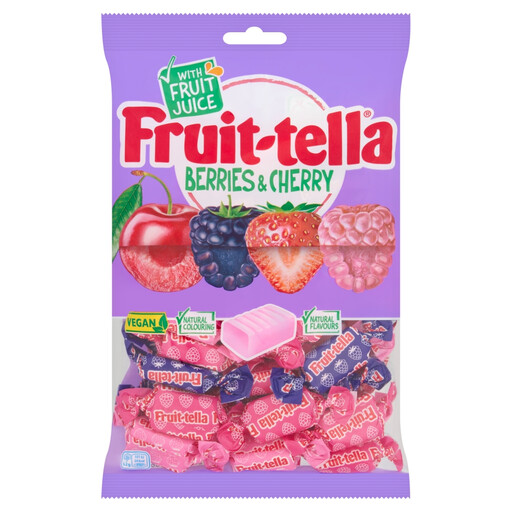
Why This Fits Their Persona: Shoppers comparing dietary information and variety may appreciate four berry and cherry flavours in a substantial sharing bag.
The listing specifies approximately 48 individually wrapped pieces, helping with portioning and distribution at family events.
Four listed flavours; suitable for vegetarians; dairy- and gluten-free according to the supplied product information.
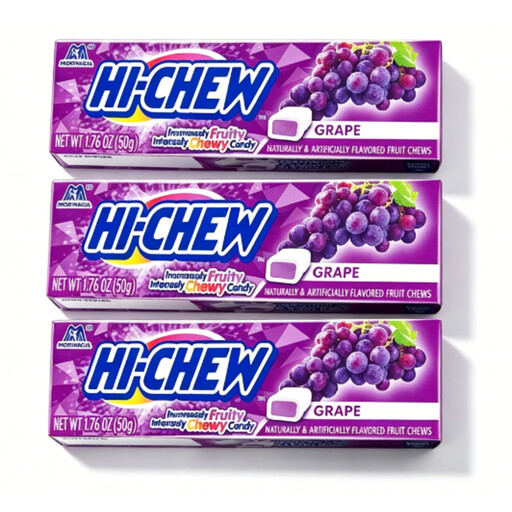
Why This Fits Their Persona: Fans of Japanese chewy sweets who prefer a longer chew and a three-pack format can keep one pack at home, work or on the go.
The three 50g packs make the total quantity clear, while the ingredient information identifies gelatine and soya rather than leaving dietary suitability ambiguous.
Three convenient packs; grape flavour; soft, long-lasting chew described in the product information.
We have compiled a complete, real-time list of products that fully satisfy these strict selection criteria and UK safety regulations.
Suitability depends on the child’s age, chewing ability and the product’s instructions. Check the packet for choking warnings, particularly for small, firm or gummy sweets. Some products may also contain gelatine, soya or specific colourings that parents may wish to avoid.
Keep them sealed in a cool, dry place away from direct sunlight and heat. Reseal opened bags where possible. Warm or humid conditions can cause sweets to stick together, soften excessively or lose their intended texture.
For a small gathering, a 135g–175g sharing bag may be sufficient. For larger events, individually wrapped sweets or multipacks can make distribution easier. Compare the number of pieces as well as total weight, since piece sizes vary between fruit gummy sweets, pastilles and chewy sweets.