
24/7 Customer Support

Free returns

Same-day & Next-day Delivery

Quality Guaranteed

Unlock Your Welcome Offers: FREE Delivery | Up to 80% OFF | Free 30-day JoyPlus trial
Download the APP
The appeal of soft, fluffy steamed buns filled with savoury chicken is undeniable. They promise a quick and satisfying taste of authentic Asian cuisine, perfect for a busy weeknight, a weekend dim sum treat or a simple, comforting snack. However, when you try to replicate that restaurant experience at home, the results can sometimes fall short. Navigating the frozen food aisle to buy bao buns online or in-store can be tricky.
As a Joybuy Product Recommendation Officer, my role is to help you see past the appealing packaging and identify what truly makes a great frozen bao bun. Many shoppers find themselves disappointed by a few common issues. Let's look at the main pitfalls to avoid.
By understanding a few key details, you can confidently choose delicious, high-quality frozen chicken buns every time.
Instead of relying on marketing claims, focus on the objective information on the packaging. Here are the three most important factors that determine the quality of chicken bao buns.
This is the most direct indicator of what you're actually paying for. Always check the ingredients list for the quantitative ingredient declaration (QUID), which will state the percentage of chicken. A higher percentage (e.g., 20% or more) generally suggests a more generous filling.
Also, note the cut of meat used. Descriptions that specify "chicken thigh" or "chicken leg meat" often point to a more tender and juicy filling, as these cuts contain more fat and flavour than leaner breast meat. This is a key component in authentic Chinese chicken buns and chicken dim sum.
The quality of the bun itself is just as important as the filling. The primary ingredient should always be wheat flour. The texture—whether it's light and fluffy or dense and chewy—is often determined by the leavening process. Some brands use traditional yeast or even sourdough fermentation, which can contribute to a more complex flavour and satisfying chew in the final steamed chicken buns.
Chicken bao buns come in a variety of flavours, from traditional to modern. Understanding the profile helps you match the product to your personal taste.
Based on these practical criteria, here are a few recommendations tailored to different needs and preferences.
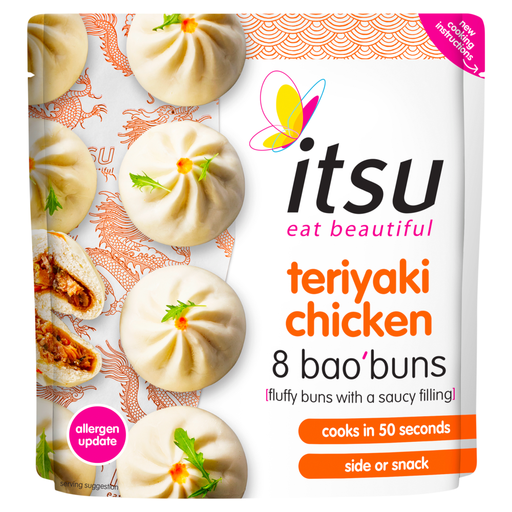
Why This Fits Their Persona: For busy professionals, students or anyone needing a near-instant meal, convenience is paramount. These bao buns are designed for the microwave, offering a hot and flavourful snack or light lunch in under a minute.
It avoids the "flavour fa?ade" by using a distinct teriyaki sauce with identifiable ingredients like ginger and sesame oil, providing a balanced sweet and savoury taste rather than a generic one.
The primary advantage is speed; ready in just 50 seconds from the microwave. The filling also includes shiitake mushrooms and water chestnuts for added texture.
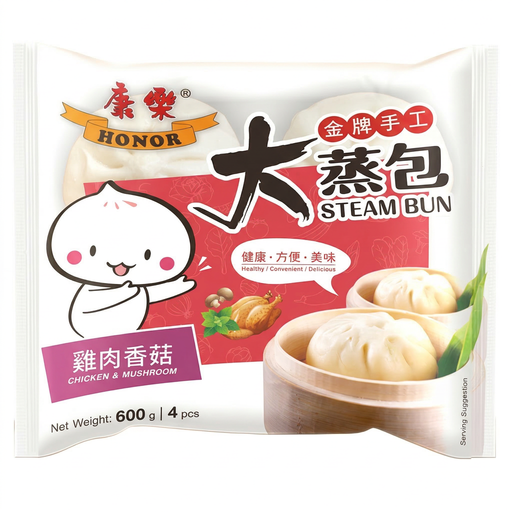
Why This Fits Their Persona: When feeding a family, value and a crowd-pleasing flavour are key. This product comes in a generous 600g pack, offering better value for money, and features a classic chicken and mushroom filling that is savoury and mild enough for all ages.
It avoids the "doughy disappointment" by using a traditional sourdough fermentation for the wrapper, which gives the bun a dense yet satisfyingly chewy texture that holds up well to the filling.
The large 600g pack size is ideal for families or stocking up. The classic, balanced flavour of chicken and mushroom makes it a versatile and reliable choice for a simple meal or dim sum spread.
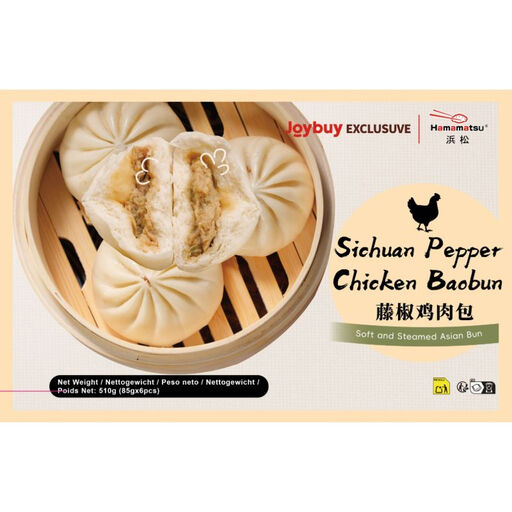
Why This Fits Their Persona: For those tired of the same old flavours, this bun offers a genuinely different taste experience. The inclusion of Sichuan peppercorns provides a unique "málà" (numbing and spicy) sensation that sets it apart from standard savoury fillings.
This product directly counters the "flavour fa?ade" by delivering a specific and authentic regional taste. The hint of numbing spice from Sichuan peppercorns is a distinct characteristic, not a generic "spicy" label.
The key advantage is its unique flavour profile. It combines a teriyaki-style base with the signature numbing spice of Sichuan cuisine, creating a complex and memorable taste. The 19.38% chicken content ensures a well-filled bun.
We have compiled a complete, real-time list of products that fully satisfy these strict selection criteria and UK safety regulations.
Yes, many frozen bao buns can be pan-fried to achieve a crispy bottom, similar to a Sheng Jian Bao. To do this, heat a little oil in a non-stick pan over medium heat. Place the frozen buns flat-side down and fry for 2-3 minutes until golden. Carefully add about 1cm of water to the pan, cover with a lid and let the buns steam for 8-10 minutes, or until the water has evaporated and the buns are cooked through. Finally, remove the lid and fry for another minute to ensure the bottom is crisp. Always check the packaging for specific instructions.
While both are types of Chinese steamed buns, they have key differences. A standard bao bun (or baozi) has a thicker, fluffier, bread-like dough. A siu loong bun (or xiao long bao) is a "soup dumpling" with a much thinner, more delicate wrapper. It is famously filled with a meat mixture that contains a solidified broth, which melts into a hot, savoury soup when steamed. The Zhen Wei Xiang Chicken Siu Loong Bun mentioned above is a variation that brings that "juicy" quality to a slightly thicker bun.
If you have any cooked bao buns left over, allow them to cool completely before storing them in an airtight container in the refrigerator for up to two days. To reheat, it is best to steam them for a few minutes until soft and hot throughout. Microwaving can sometimes make the bun's texture tough or chewy, so steaming is the preferred method for restoring their original softness.