
24/7 Customer Support

Free returns

Same-day & Next-day Delivery

Quality Guaranteed

Unlock Your Welcome Offers: FREE Delivery | Up to 80% OFF | Free 30-day JoyPlus trial
Download the APP
As a cat owner, you know that a well-chosen treat can be more than just a tasty morsel. It can be a training tool, a sign of affection or a way to supplement your cat's diet. However, with so many options available, finding high-quality chicken cat treats that are both palatable and aligned with your cat's health needs can be a challenge. This guide is designed to help you navigate the choices, understand what to look for and find a treat that will have your feline friend purring with delight.
Making an informed choice comes down to understanding a few key factors. By paying attention to ingredients, texture and nutritional content, you can select a treat that complements your cat's regular diet.
The quality of a cat treat often starts with its ingredients. For chicken treats, look for real chicken listed as one of the primary components. High-quality options often specify the percentage of meat. It's also wise to look for natural cat treats that avoid artificial colours, flavours and unnecessary fillers. For felines with specific dietary needs, grain-free cat treats can be an excellent choice, as they omit common allergens like wheat, corn and soy, which may be beneficial for cat treats for sensitive stomachs.
Texture can make all the difference to a discerning cat. Crunchy cat treats are popular for their satisfying texture and can help with dental hygiene by gently scraping plaque from teeth. On the other hand, soft or lickable cat treats (often in a purée format) are highly palatable and a great option for older cats, those with dental issues or for simply adding moisture to their diet. Some lickable treats can also be used as a cat food topper to entice fussy eaters.
Treats should be just that—a treat. They should only make up a small portion of your cat's daily caloric intake to prevent unwanted weight gain. Many brands now offer low calorie cat treats, often specifying the calorie count per treat. Always check the feeding guidelines on the packaging and adjust your cat's main meals accordingly to maintain a balanced diet.
Here are a few noteworthy options that cater to different needs and preferences, from functional purées to classic crunchy bites.
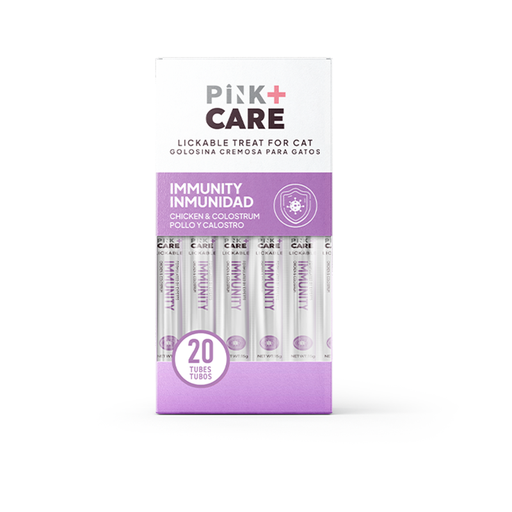
Why It Stands Out: This is a lickable cat treat designed with functional benefits in mind. It combines 26% chicken with ingredients like lamb colostrum, shiitake mushroom powder and turmeric. The formula is explicitly free from grains, soy, gelatin and artificial flavours, making it a clean option.
Pros:
Who is it for? This is an ideal choice for cat owners seeking a healthy cat treat that does more than just reward. It's particularly suited for those wanting to support their cat's digestive system or for cats with sensitive stomachs.
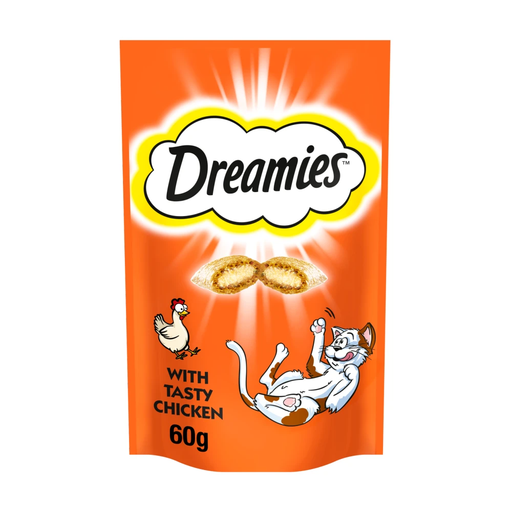
Why It Stands Out: Dreamies are well-known for their unique dual texture—a crunchy shell with a soft, flavourful centre. This combination is famously appealing to a vast number of cats, making it a reliable choice for a daily treat.
Pros:
Who is it for? Perfect for owners looking for a classic, widely-loved crunchy cat treat. Its low-calorie nature makes it a good option for everyday treating without disrupting a balanced diet.
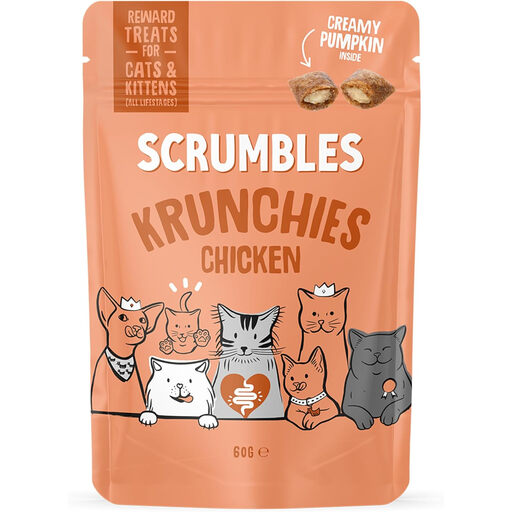
Why It Stands Out: Scrumbles focuses on natural ingredients and digestive health. These pillow-shaped treats are naturally hypoallergenic and gluten-free, featuring 22% dried chicken and gut-friendly ingredients like pumpkin and brewers yeast.
Pros:
Who is it for? This is a great match for the health-conscious cat owner who prioritises natural cat treats and digestive support. It's also an excellent option for cats from 8 weeks of age and those with known food sensitivities.
Every cat has its own unique tastes and dietary requirements. If the recommendations above aren't the perfect fit, or if you're interested in exploring other flavours, textures and brands, there are many more choices available.
To discover a wider variety of options, we invite you to browse our full selection of cat food and treats.
1. Are chicken treats a good choice for all cats? For most cats, treats made with high-quality chicken are an excellent source of protein and highly palatable. However, a small number of cats can have a specific allergy or intolerance to chicken. If you notice any digestive upset or skin irritation after introducing a new treat, it's best to stop feeding it and consult your vet.
2. How many chicken treats can I give my cat each day? A general guideline is that treats should not constitute more than 10% of your cat's total daily calorie intake. The specific number of treats can vary significantly based on the product's calorie content and your cat's size, age and activity level. Always refer to the feeding recommendations on the product packaging for precise guidance.
3. What is the benefit of a grain-free cat treat? Grain-free cat treats are formulated without grains such as wheat, corn or barley. Instead, they use alternative carbohydrate sources like potatoes, peas or lentils. This can be particularly beneficial for cats that have a diagnosed grain allergy or a general sensitivity, as it may help to avoid digestive issues or skin problems.