Family batch cooks
You want congee for the meal, seconds or planned leftovers, with a bowl that is manageable to stir and clean.


Choose the cooking method and usable batch size before extra functions. A pressure multicooker is worth considering for a larger family meal, provided its rice-fill limit suits your recipe; if congee and other rice dishes are your main use, a porridge programme may matter more than air-frying or grilling. Check the exact model’s pressure-release instructions and plan for safe chicken handling.
You want congee for the meal, seconds or planned leftovers, with a bowl that is manageable to stir and clean.
You mainly want rice and porridge-style cooking, with delayed start or keep-warm useful around mealtimes.
You want to make chicken-and-rice dishes in one appliance but would value guidance through pressure-cooking steps.
Start with the amount of congee you need to serve, then decide whether pressure cooking or rice-focused controls fit the way you cook. Check the usable fill limit rather than treating the pot’s stated litres as a recipe quantity.
| Concern | What to check | Who this matters to |
|---|---|---|
| Usable batch size | Compare stated portions, bowl shape and the manual’s limit for expanding rice. | If I need enough for dinner and leftovers, I want to know what will fit safely in one batch; around 33% of consumers put batch size first. |
| One-pot cooking | Check for the pressure and sauté or browning controls you intend to use, plus the release procedure. | When dinner timing is tight, I want to prepare more of the dish in one appliance without overlooking the pressure-cooking steps; roughly 27% of consumers prioritise this route. |
| Rice and porridge controls | Look for a porridge programme or manual cooking controls that suit your recipe; check keep-warm settings separately. | If congee and rice dishes are my regular meals, I care more about the controls I will use than extra cooking modes; around 20% of consumers make those controls their main concern. |
| Cleaning and handling | Check pot and lid care instructions, and read the model’s guidance for hot food and pressure use. | After cooking with raw chicken and a pot of hot congee, I want cleaning and handling to be manageable; approximately 20% of consumers place this first. |
Rice expands during cooking. The Instant Pot Duo manual limits expanding foods, including rice, to one-half of the cooker’s capacity.
Work out the batch you need, then check the fill instructions for the exact cooker and cooking method.
Air-frying and grilling can serve other meals, but neither is necessary to make chicken congee.
Decide whether batch capacity, guided pressure cooking or rice and porridge controls will matter most in your kitchen.
Keep-warm does not replace thorough chicken cooking, safe storage or reheating. Food Standards Scotland advises reheating food until hot throughout and not reheating it more than once.
Keep raw chicken separate from ready-to-eat food, and follow the food-safety guidance applicable where you live when storing and reheating leftovers.
The Instant Pot Duo manual warns against using another pressure-cooker lid or forcing the cooker open before its internal pressure has dropped.
Use the parts specified for your exact model and follow its lid and pressure-release instructions.
Compare the relevant models and their controls rather than assuming every cooker from a brand works the same way.
Its Duo 8L and Classic XL 7.1L are relevant to larger family meals and planned leftovers.
Its Multicook 8-in-1 takes a rice and porridge-focused approach, while the Cook4me+ offers guided pressure cooking.
The OL550UK is a 6L multicooker to consider if you also expect to prepare other kinds of family meals.
These choices include larger electric multicookers for family batches and smaller-capacity rice cookers. For either route, confirm how much rice or porridge the exact model can safely hold before planning a family serving.
 No image available
Consider this for a family batch if you want pressure cooking alongside rice and slow-cooking functions. The product name specifies a 5.7L pot with a ceramic non-stick coating; check its manual for the safe rice-fill level.
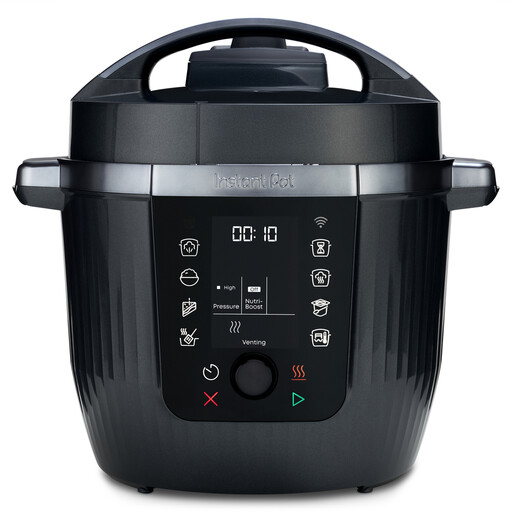 No image available
Consider its 5.7L size for a family meal, then compare your intended recipe with the exact model’s rice-fill and pressure instructions. The 10-in-1 designation describes the model, not its usable congee capacity.
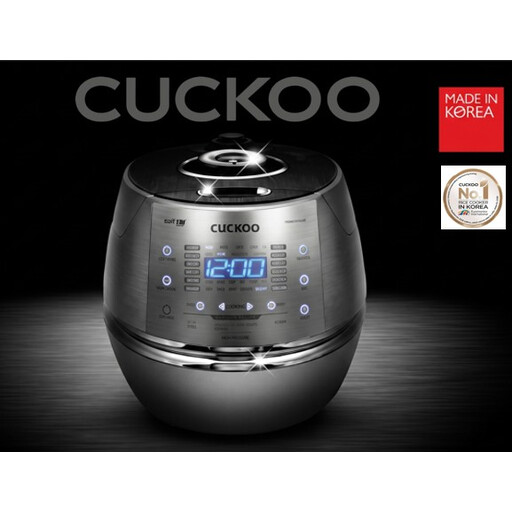 No image available
For rice-centred cooking, check the programme list and permitted porridge quantity before planning a family batch. The stated 1.8 L and 10 Cup capacity does not specify how many servings of chicken congee it makes; the model name also identifies induction heating (IH).
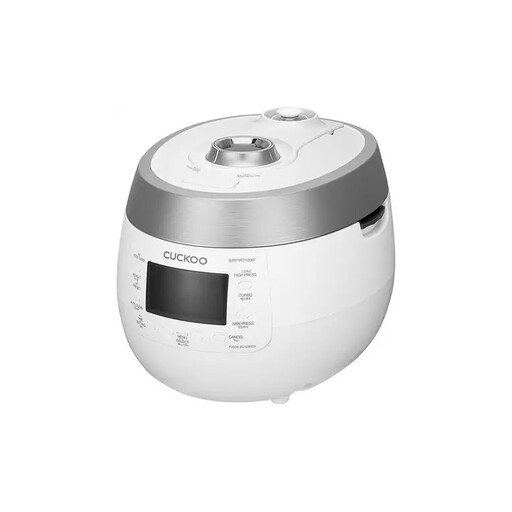 No image available
Consider this rice cooker if its pressure options fit the way you prepare rice dishes. Its product name specifies 1.8L, 10-Cup capacity and 15 programmes; check the exact manual for the applicable congee programme and maximum quantity rather than treating the cup figure as a serving count.
Compare stated portions, then check the recipe fill limit for the exact model. Instant Pot UK states that its Duo 8L feeds up to eight people and its Classic XL 7.1L makes up to eight portions; Tefal UK states that the Cook4me+ 6L makes up to six servings. For expanding foods such as rice in the Instant Pot Duo, the manual limits filling to one-half capacity.
No, provided the cooker’s manual supports the method you intend to use. Tefal UK lists porridge, rice and grain programmes for its Multicook 8-in-1, while its Cook4me+ offers manual cooking modes including pressure cooking and simmering; check which controls suit your recipe.
Check that the chicken is thoroughly cooked before serving, including pieces away from the surface of a large pot. Food Standards Scotland advises checking that the thickest part reaches at least 75°C, or that the chicken is steaming hot with no pink meat and clear juices. Food Standards Agency guidance for England, Northern Ireland and Wales also advises checking that food is completely cooked and steaming hot.
Yes, if it has been handled and stored safely, and you reheat it thoroughly throughout. Food Standards Scotland advises against reheating food more than once; follow the food-safety guidance for your UK nation rather than relying on a cooker’s keep-warm setting to reheat leftovers.