
24/7 Customer Support

Free returns

Same-day & Next-day Delivery

Quality Guaranteed

Unlock Your Welcome Offers: FREE Delivery | Up to 80% OFF | Free 30-day JoyPlus trial
Download the APP
As a nation of dog lovers, we want to give our companions treats that are both delicious and wholesome. The market for chicken dog treats is vast, but navigating the labels and marketing claims can be a challenge. Many well-intentioned owners find themselves with products that aren't as healthy as they seem.
My role as a Joybuy Product Recommendation Officer is to help you see past the hype. This guide will highlight common purchasing pitfalls and clarify the key factors to check, ensuring you choose a treat that genuinely benefits your dog.
Before you add anything to your basket, be aware of these frequent traps that can lead to poor choices for your pet's health and your wallet.
To make an informed decision, focus on these three non-negotiable parameters on the product label.
The most important factor is the quality and quantity of the chicken. Look for treats where real chicken breast is the first and primary ingredient. A high percentage (e.g., over 50%) is a strong indicator of a quality product. This ensures you are getting a high protein dog treat that supports muscle health, rather than one bulked out with less beneficial ingredients.
A healthy treat should be a supplement to a balanced diet, not a source of empty calories. Check the 'Analytical Constituents' on the packaging for the fat content. A good benchmark for a daily reward is a low fat dog treat, typically with 5% or less fat content. Furthermore, look for a clean ingredients list that is free from artificial colours, flavours and preservatives. The best natural dog treats rely on the quality of the meat for flavour.
Not all treats are suitable for all dogs. Consider the purpose of the treat:
Always check the age recommendation. Most chewy treats are not suitable for puppy treats for those under 4 months old, as their jaws and digestive systems are still developing.
Based on these criteria, here are a few options from our catalogue, matched to different owner and dog needs.
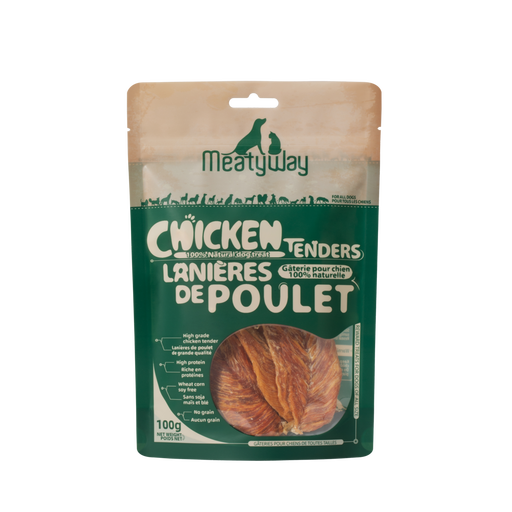
Why This Fits Their Persona: This is for the owner who prioritises purity above all. It's a single-ingredient, grain free dog treat, making it an excellent choice for dogs with sensitive stomachs or allergies and for owners in the UK who want zero ambiguity in their pet's snacks.
With only one ingredient—100% real chicken—there is no "with chicken" mirage or hidden fillers. It is naturally low in fat and free from rawhide.
Extremely high protein content (min 70%) from a single source. Soft jerky texture is easy to chew and can be broken into smaller pieces for training.
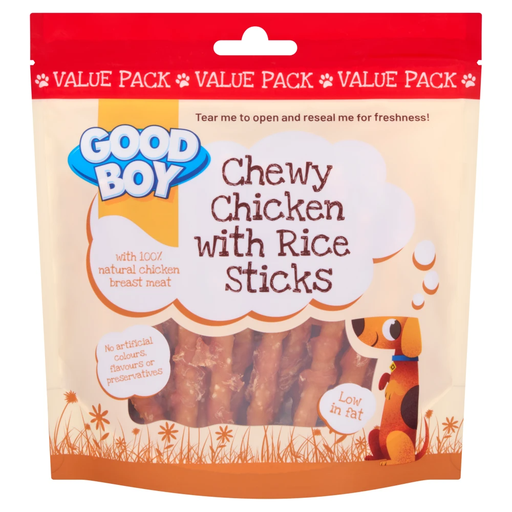
Why This Fits Their Persona: Ideal for the owner who uses treats frequently for training and rewards. They need a treat that is healthy enough for daily use, comes in a good value pack and is motivating for their dog without being overly calorific.
This treat is made with 77% chicken breast meat, clearly avoiding the low-percentage trap. It is also rawhide-free and exceptionally low in fat.
Very low fat content at only 1.5%, making it suitable for frequent rewarding. The resealable pack maintains freshness, which is practical for daily use.
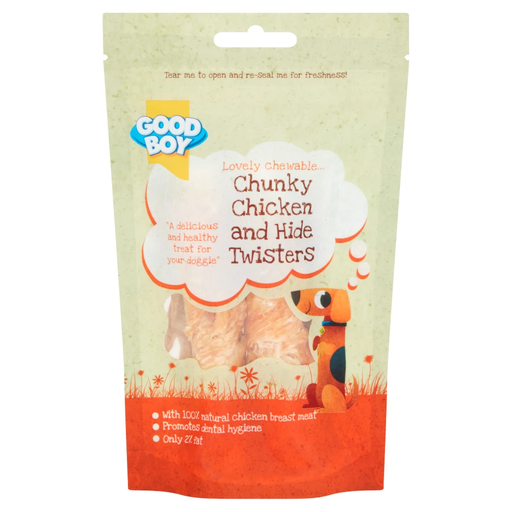
Why This Fits Their Persona: This owner is looking for a treat with a dual purpose: a delicious reward that also contributes to their dog's oral hygiene. They want a functional chew that helps manage plaque and tartar between vet visits.
This is a purpose-built dental chew, not a simple treat masquerading as one. It is rawhide-free and made with a high content of 78% chicken breast.
The unique fibrous structure and twist shape are designed to create friction against the teeth during chewing, which can help reduce plaque build-up.
We have compiled a complete, real-time list of products that fully satisfy these strict selection criteria and UK safety regulations.
A common guideline is that treats should not make up more than 10% of your dog's daily calorie intake. The exact number depends on the size of the treat, its calorie content and your dog's size, age and activity level. Always check the feeding guide on the packaging and adjust their main meals accordingly to maintain a healthy weight.
For most dogs, grains are a perfectly healthy part of a balanced diet. However, grain free dog treats can be a good choice for dogs with specific grain allergies or sensitivities. If your dog experiences digestive upset or skin irritation, it may be worth discussing a potential grain intolerance with your vet. For others, the choice between grain-free and grain-inclusive treats is a matter of preference.
Yes, but with caution. It is crucial to choose treats specifically formulated for puppies or those marked as safe for dogs over 4 months old. Puppies have delicate digestive systems and developing teeth. Avoid hard chews that could damage their teeth and always supervise them with any treat to prevent choking. Start with small, soft treats and introduce new items one at a time.