
24/7 Customer Support

Free returns

Same-day & Next-day Delivery

Quality Guaranteed

Unlock Your Welcome Offers: FREE Delivery | Up to 80% OFF | Free 30-day JoyPlus trial
Download the APP
“Chicken food and treats” can mean very different things: a training reward for a dog, wet cat food, an organic weaning pouch, a frozen chicken meal or a sauce for a home-cooked dish. The common factor is that attractive packaging can make an unsuitable product look like a sensible choice.
Joybuy Product Recommendation Officer guidance focuses on the information that matters at the point of purchase: who the food is for, whether it is complete or complementary, the ingredient list, portion guidance, allergens and storage requirements.
A chicken cat treat or dog chew is generally a complementary food, not a replacement for a nutritionally complete diet. Products such as Morrisons Chicken Cat Snack Pillows and Webbox Tasty Sticks are intended to be offered alongside regular meals. Feeding too many can add unnecessary calories and may reduce appetite for a complete food.
For dogs, the same principle applies to chicken jerky, dental dog chews and air-dried chicken fillet. Check the feeding instructions and adjust the main meal when necessary.
“Chicken flavour” does not necessarily mean that chicken is the main ingredient. Review the composition carefully and look for the percentage of chicken where it is declared. For example, the Morrisons cat treats list 18% chicken, while Encore Chicken Breast with Rice lists 75% shredded chicken breast.
The difference matters if you are specifically looking for a meat-forward food rather than a snack designed mainly for taste and texture.
A product can be suitable for one household member and unsuitable for another. Baby meals need an appropriate age stage and adult supervision. Dog chews may be intended for a particular weight range. Human meals can contain wheat, soya, sesame, milk, egg or other allergens.
Always read the current packaging before serving, particularly if you have previously bought the same product. Formulations and warnings can change.
For cats and dogs, look for wording such as complete food, complementary food or supplemental feeding only. Complete wet cat food, such as the Whiskas 1+ Chef’s Choice Mix, is designed to form part of an adult cat’s regular diet according to its feeding guide. By contrast, a chicken treat or chew should be used in moderation.
For babies, check the stated age. Ella’s Kitchen Chicken Casserole and Organic Caribbean Chicken with Mangoes are both labelled for children aged 10 months and above. Their textured recipes are not intended to replace advice from a health visitor or to be given without supervision.
The front of a pack may highlight “high protein” or “natural ingredients”, but the back label gives a more useful comparison.
Protein figures should be considered alongside portion size, fat, salt, moisture and whether the product is a full meal or an occasional reward.
Frozen chicken meals must remain at -18°C or colder and should not be refrozen after thawing. Chopstix Fire Cracker Chicken with Egg Fried Rice, SFC Chicken Pop Pops and Myprotein meals are designed for freezer storage, but cooking instructions differ between microwave, oven and air fryer preparation.
For chilled or opened products, follow the stated time limit. Baby pouches such as Ella’s Kitchen products should be refrigerated after opening and consumed within 24 hours. Potts Chicken, Thyme & White Wine Gravy should be refrigerated after opening and used within three days.
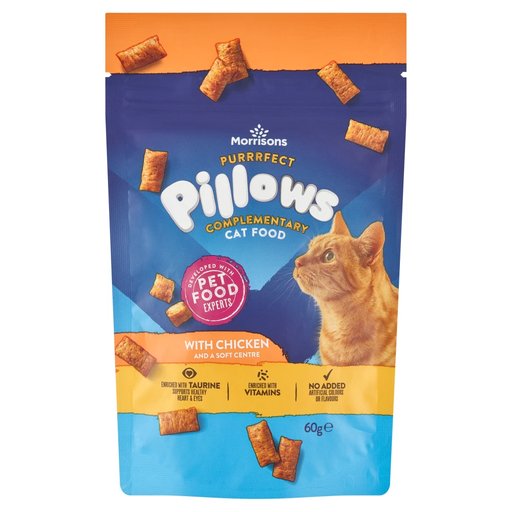
Why This Fits Their Persona: A compact option for cat owners who want an occasional chicken reward for daily interaction without buying a large pack.
It is clearly identified as complementary cat food, helping prevent shoppers from treating a snack as a sole food source.
60g pack; listed taurine and vitamins; no artificial colours or flavours stated in the product information.
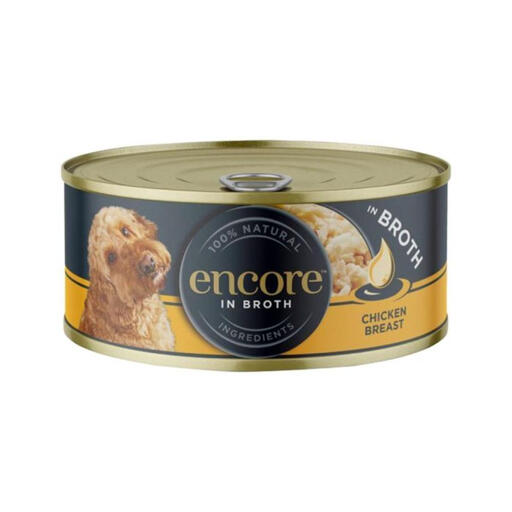
Why This Fits Their Persona: Suits dog owners prioritising a short ingredient list and visible shredded chicken for a topper or supplementary meal.
The composition states 75% chicken breast, chicken broth and rice, rather than relying only on a front-of-pack flavour description.
Wheat-free recipe; 82% moisture; no additives listed in the supplied product information.
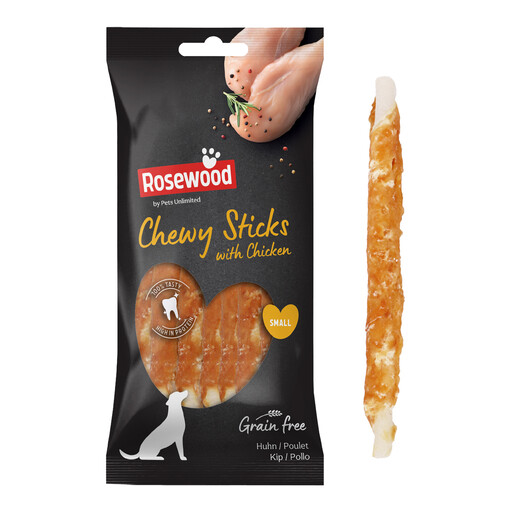
Why This Fits Their Persona: Designed for owners seeking a measured daily chew for adult dogs within the stated 7–12kg weight range.
The instructions specify one chew per day and identify the suitable age and weight range, reducing guesswork about portioning.
Seven-piece, 105g pack; chewy format; stated low-fat analytical value of 5.5%.
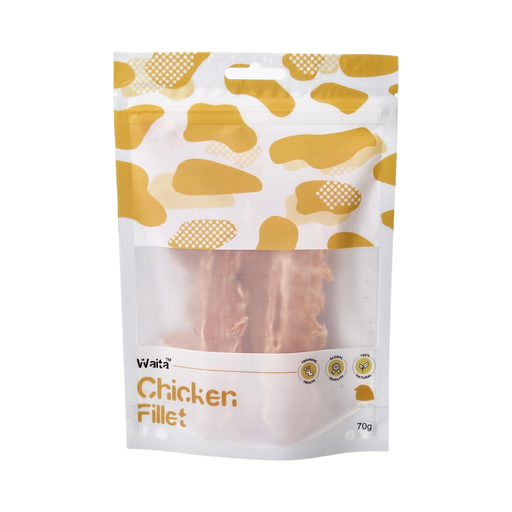
Why This Fits Their Persona: A practical choice for pet owners wanting a single-ingredient training reward that can be torn into smaller pieces.
The ingredient list states 100% chicken breast, making it easier to assess for limited-ingredient feeding than a multi-component treat.
70g pack; stated crude protein of at least 70%; suitable for use whole, torn or as a meal topper.
We have compiled a complete, real-time list of products that fully satisfy these strict selection criteria and UK safety regulations.
Some are labelled for daily use, but the portion still matters. Treats should remain a small part of the overall diet, with the main food adjusted where appropriate. Always provide fresh drinking water and supervise chews.
Wet cat food may be labelled complete and balanced for a particular life stage. Cat treats, including chicken cat treats and snack sticks, are usually complementary and are intended for occasional feeding or rewards.
Keep them frozen at -18°C or colder, follow the cooking instructions and do not refreeze after thawing. Check the allergen panel each time, especially for wheat, soya, sesame, egg and milk.