
24/7 Customer Support

Free returns

Same-day & Next-day Delivery

Quality Guaranteed

Unlock Your Welcome Offers: FREE Delivery | Up to 80% OFF | Free 30-day JoyPlus trial
Download the APP
Chicken kebabs can make a convenient weekday meal, barbecue centrepiece or party appetiser, but product descriptions do not always tell the full story. A pack labelled “charcoal-style”, “high-protein” or “restaurant-inspired” may still differ considerably in meat content, preparation method, allergens and cooking requirements.
Before buying chicken kebabs, watch for three common pitfalls:
The percentage of chicken gives a more useful comparison than flavour-led packaging. For example, the Korean BBQ chicken skewers listed here contain 96% chicken breast fillet, while the salt and pepper version contains 94% chicken breast fillet. Both provide around 30g of protein per skewer, according to their product information.
Other products use a blend of chicken, lamb, onions, flour, oils or cartilage. That is not automatically a disadvantage, but it changes the texture, flavour and nutritional profile. Check:
For a quick high-protein lunch, chicken breast skewers may suit you better. For a softer, more traditionally spiced kebab, a hand-formed Lahori or seekh-style product may be more appropriate.
“Ready-to-cook kebabs” are not the same as fully cooked products. Some frozen chicken kebabs can go directly into an air fryer, oven, grill or pan. Others are already cooked and only require reheating.
Always follow the packaging instructions and check that food is piping hot throughout. Products requiring cooking should reach an internal temperature of 75°C, where stated on the label. Avoid refreezing food once it has defrosted, and keep frozen products at -18°C or below unless the packaging says otherwise.
For convenience, microwave kebabs can be useful for quick meals. However, microwave cooking may not create the browned exterior associated with charcoal kebabs. An air fryer, grill or barbecue can provide more surface colour, but cooking times vary between appliances.
Soya, wheat, gluten, milk, sesame and egg can appear in marinades, sauces or blended kebabs. For example, Korean BBQ chicken skewers may contain or mention soya and wheat, while salt and pepper skewers contain soya and may contain egg. Cheese seekh kebabs contain milk and wheat.
Texture also matters. Chicken skewers are generally shaped around a stick, while seekh kebabs are formed minced-meat products. Chicken and cartilage skewers offer a firmer, crunchier texture, which may not suit every diner.
If you want to prepare authentic kebabs at home rather than buy a prepared product, a kebab seasoning mix such as a reshmi kebab blend can be combined with chicken, yoghurt or cream, then grilled, baked or pan-cooked.
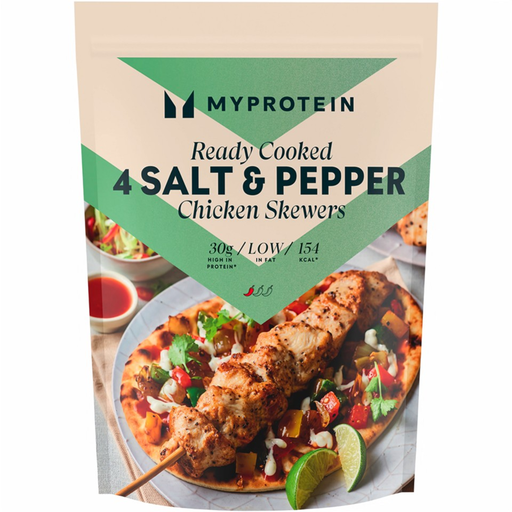
Why This Fits Their Persona: A practical four-skewer pack for shoppers wanting a straightforward frozen meal with savoury seasoning and simple preparation options.
The listing clearly states the chicken percentage, allergens, storage information and cooking options rather than relying only on flavour language.
94% chicken breast fillet; approximately 30g protein per skewer; suitable for grilling, barbecuing or air frying.
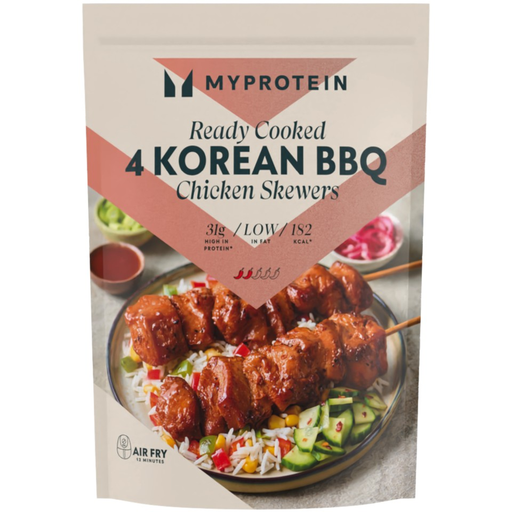
Why This Fits Their Persona: Suits shoppers seeking a breast-meat skewer with a sweet and savoury Korean BBQ-style coating for meals or sharing.
The product information separates the flavour description from measurable details, including 96% chicken breast fillet and 182 kcal per skewer.
96% chicken breast fillet; approximately 31.3g protein per skewer; can be cooked from frozen.
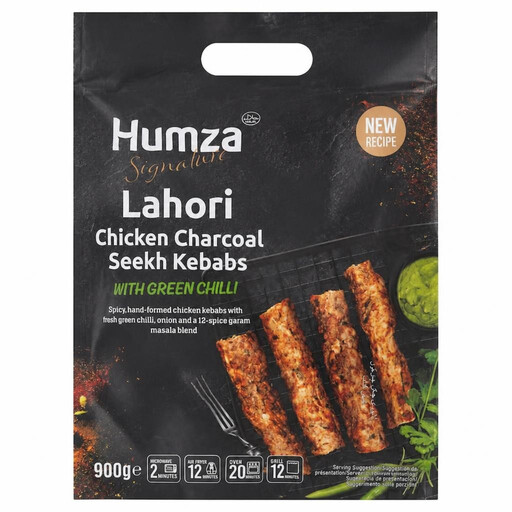
Why This Fits Their Persona: Designed for families, gatherings and barbecue occasions where a larger pack and stronger chilli seasoning are useful.
The pack specifies 15 kebabs, 70% chicken and 5% green chilli, helping you judge quantity and heat before ordering.
900g pack with 15 kebabs; microwave, air fryer, grill and oven preparation options.
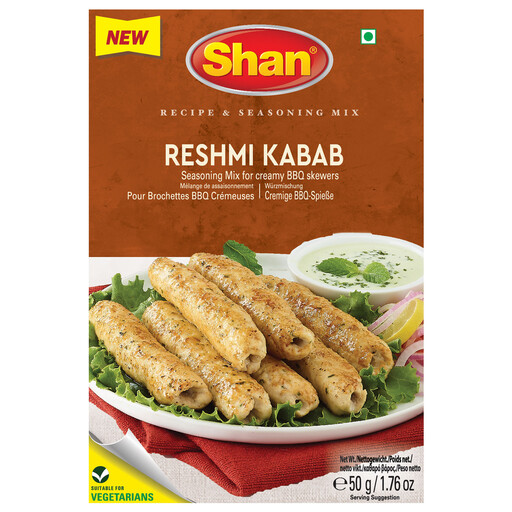
Why This Fits Their Persona: A practical option for cooks who want to marinate their own chicken and adjust the creaminess, texture and cooking method at home.
It is clearly presented as a seasoning mix, not a finished kebab, so you can plan for chicken, yoghurt or cream and at least 30 minutes of marinating.
Includes aromatic spices such as cardamom, cinnamon, nutmeg and mace; suitable for grilling, baking or pan-cooking.
We have compiled a complete, real-time list of products that fully satisfy these strict selection criteria and UK safety regulations.
For smoky, pre-seasoned options, charcoal kebabs and seekh kebabs can be reheated in a microwave, grilled or served in wraps. Humza chicken charcoal kebabs provide a smaller, quick-reheat format, while cheese seekh kebabs offer a richer texture but contain milk and wheat.
For Asian-inspired barbecue food, chicken skewers with Orleans, Sichuan pepper and cumin flavours provide different spice profiles. Reusable 304 stainless steel barbecue skewers are useful when preparing fresh chicken, vegetables or prawns at home. Check their length, shaft thickness, handle design and cleaning instructions before use.
Some are, but not all. Product descriptions should state whether the kebabs are fully cooked or require cooking. Even fully cooked products must be reheated thoroughly, while raw or cooking-required skewers need to reach the temperature specified on the packaging.
Many frozen chicken kebabs and chicken skewers are suitable for air frying. Follow the product’s stated temperature and time, turn where necessary, and check that the centre is piping hot. Do not assume that one product’s instructions apply to another.
Keep frozen products at -18°C or below and follow the best-before guidance on the packaging. Do not refreeze after defrosting. Once opened or thawed, use the storage and cooking instructions provided for that specific product.