
24/7 Customer Support

Free returns

Same-day & Next-day Delivery

Quality Guaranteed

Unlock Your Welcome Offers: FREE Delivery | Up to 80% OFF | Free 30-day JoyPlus trial
Download the APP
A well-chosen chicken seasoning can transform a simple meal into something truly memorable. Yet, the supermarket aisle presents a bewildering array of powders, sauces and rubs, all promising exceptional flavour. Many UK home cooks find themselves disappointed, with cupboards full of half-used jars that delivered bland, generic or overly salty results.
Before you make another purchase, it's worth understanding the common pitfalls. Many products hide behind appealing packaging, but a closer look at the label reveals a different story. Here are a few traps to be aware of:
To navigate the options and find a product that genuinely enhances your cooking, focus on a few core parameters. This will help you select the right chicken seasoning for your specific needs, whether you're planning a quick weeknight dinner or an elaborate weekend feast.
The physical form of the seasoning dictates its use and the final texture of your dish. Understanding the difference is key to achieving your desired result.
The ingredients list is the most reliable indicator of quality and flavour. Look past the marketing claims on the front and analyse the contents.
Consider how often you'll use the seasoning to avoid waste and ensure freshness.
Based on these practical criteria, we've matched a few standout products to different types of home cooks.

Why This Fits Their Persona: For those who love recreating authentic restaurant dishes at home, this kit removes the guesswork from making classic Sichuan Kung Pao Chicken. It's perfect for a weekend cooking project to impress family and friends.
This is the opposite of a generic "all-purpose" powder. It's a dedicated kit with specific components, including real Sichuan peppercorns, ensuring an authentic, complex flavour profile that can't be achieved with a single blend.
Includes three separate packets (Sauce, Meat Marinade and Dried Chilli & Pepper) for a layered, restaurant-quality cooking process. The instructions are clear and easy to follow.
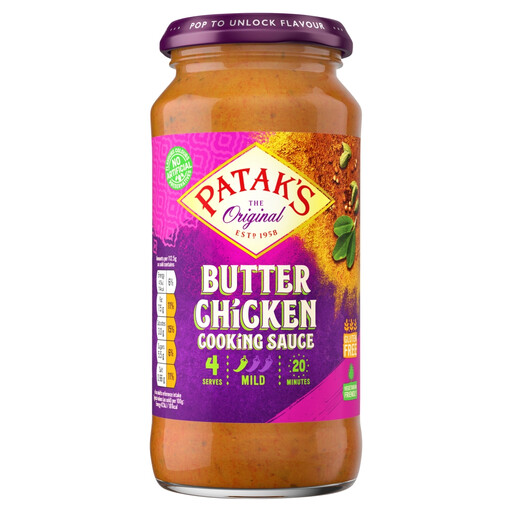
Why This Fits Their Persona: For anyone needing a quick, reliable and crowd-pleasing weeknight meal, this sauce is a lifesaver. It delivers a mild, creamy and authentic-tasting curry in about 20 minutes with minimal effort.
This sauce avoids the sugar/salt trap by using real ingredients like tomato, single cream and butter high up on the list. The flavour is rich and balanced, not just sweet or salty, delivering on its promise of a proper butter chicken.
Extremely convenient—just pour and simmer. It's also vegetarian-friendly, gluten-free and contains no artificial flavours, colours or preservatives, making it a trustworthy pantry staple.
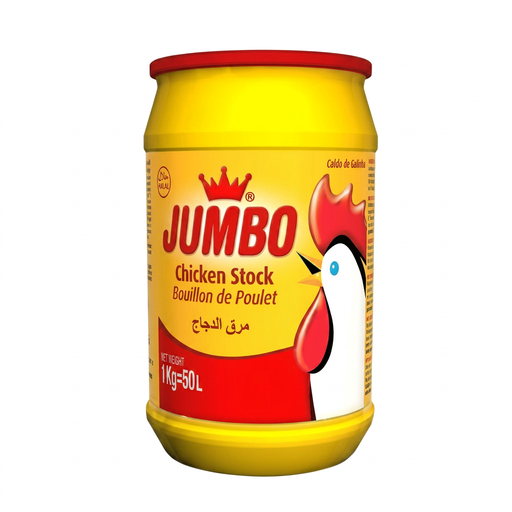
Why This Fits Their Persona: Ideal for food service professionals, caterers or large families who need a reliable, cost-effective flavour base. This bulk chicken seasoning provides consistent results for a wide range of applications, from stews to marinades.
This product is transparent about its role as a foundational seasoning. It doesn't pretend to be for a specific gourmet dish, thereby avoiding the "misleading flavour profile" trap. Its purpose is to be a versatile workhorse in a busy kitchen.
The 1kg bulk packaging offers excellent value and ensures flavour consistency across many meals. It's a versatile powder that can be used for grilling, roasting, frying and stewing.
We have compiled a complete, real-time list of products that fully satisfy these strict selection criteria and UK safety regulations.
1. What is the difference between a chicken rub and a chicken marinade? A chicken rub is a dry mixture of spices and salt that is applied to the surface of the meat. It's designed to form a flavourful crust when cooked, making it excellent for roasting or grilling. A chicken marinade is a wet mixture, usually containing an acid (like vinegar or citrus), oil and spices. The chicken is soaked in the marinade, which helps to tenderise the meat and infuse it with flavour from the inside out.
2. How much chicken seasoning should I use? This depends heavily on the product's salt content and intensity. As a general guideline for a dry chicken seasoning powder, start with about 1 tablespoon (around 15g) per 500g of chicken. For a wet sauce or marinade, a common ratio is around 100-150ml per 500g of chicken. Always check the package instructions, as some blends are more concentrated than others. It's always better to start with less and add more to taste.
3. Can I use chicken seasoning on other meats or vegetables? Absolutely. Most chicken seasonings are versatile enough to be used on other poultry like turkey, as well as pork, fish or even roasted vegetables and potatoes. The savoury, aromatic profiles found in many chicken rubs and powders complement a wide variety of ingredients, making them a useful multi-purpose item in your pantry.