
24/7 Customer Support

Free returns

Same-day & Next-day Delivery

Quality Guaranteed

Unlock Your Welcome Offers: FREE Delivery | Up to 80% OFF | Free 30-day JoyPlus trial
Download the APP
A good chicken seasoning can transform a simple meal into something truly memorable. Yet, the supermarket aisle presents a confusing array of powders, granules and coatings, all promising perfect flavour. Many home cooks find themselves disappointed with products that are overly salty, fail to deliver a crispy texture or are packed with unnecessary fillers.
As the Joybuy Product Recommendation Officer, my role is to help you navigate these choices. We'll look past the marketing claims to identify what truly matters, ensuring your next purchase enhances your cooking rather than hindering it. Here are the common pitfalls to be aware of.
fried chicken powder is a coating that looks promising but turns soft and greasy within minutes of cooking. This is often due to an incorrect balance of flour and starch in the mix.To choose the right product, you first need to understand its primary function. These terms are often used interchangeably, but they refer to distinct types of seasoning.
chicken stock powder.karaage powder are formulated for a light, ultra-crisp texture.Before adding any chicken seasoning to your basket, a quick check of two key parameters can save you from disappointment.
chicken stock powder alternative. Granulated bouillon is less prone to clumping and is easy to sprinkle. A coarse coating mix is designed to adhere to meat and will not dissolve well in a soup.Based on these practical criteria, we've matched several products to the needs of different UK home cooks.
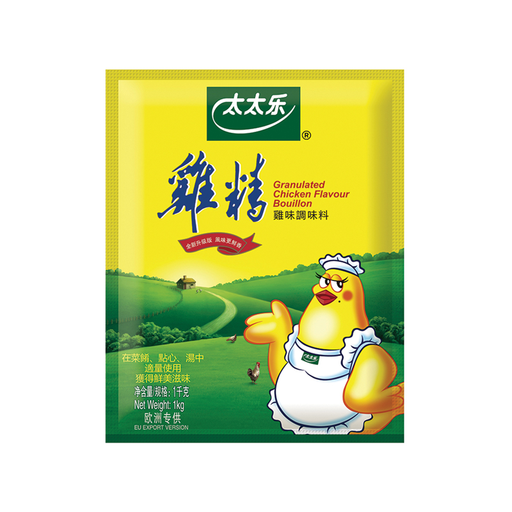
Why This Fits Their Persona: This user needs a versatile, cost-effective flavour base for daily cooking—from soups and stews to marinades and stir-fries. The large 1kg pack offers excellent value for a family or anyone who cooks frequently.
It avoids the "all-purpose" salt trap by being a dedicated chicken bouillon. Its purpose is clear: to provide a savoury umami foundation, not just saltiness.
The granulated format dissolves easily without clumping. It provides a consistent and reliable flavour boost to a wide variety of dishes.
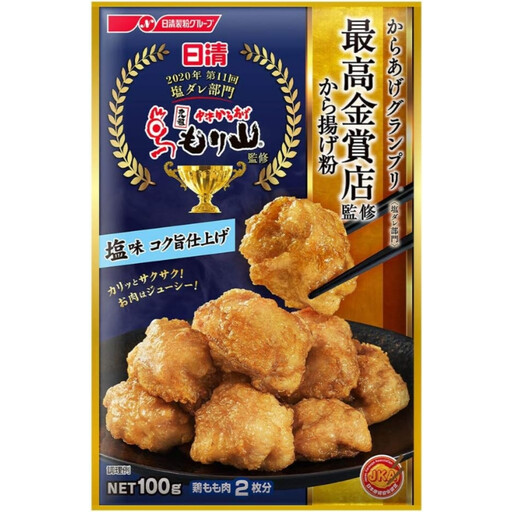
Why This Fits Their Persona: This cook is focused on one goal: achieving a perfectly light and crispy chicken coating at home. They want a reliable mix that delivers a restaurant-quality crunch for dishes like karaage or classic fried chicken.
This product directly counters the "soggy coating" pitfall. Its formula, which includes both wheat flour and corn starch, is specifically engineered for a light, crunchy texture that holds up after frying.
This is a specialised coating mix, not a general seasoning. It removes the guesswork and delivers a consistent, crunchy result with a balanced salty flavour profile.
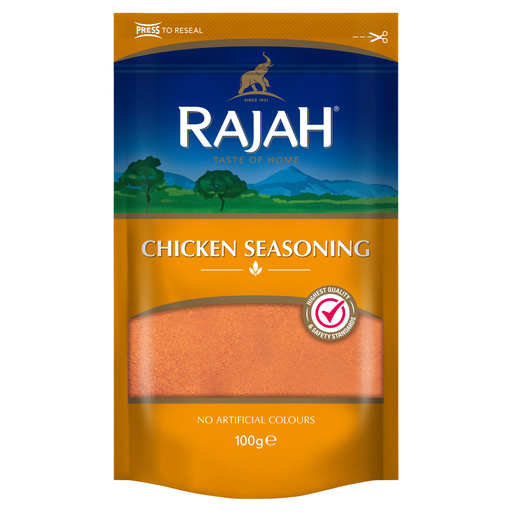
Why This Fits Their Persona: This user wants a complex, aromatic flavour for their Sunday roast, grilled chicken breasts or homemade curries. They value the taste of real spices over a simple salty or umami kick.
It avoids the vague ingredients pitfall. The label clearly lists paprika, chilli powder and black pepper as key components, so you know you are paying for a genuine spice blend, not just salt and fillers.
This is a true all purpose chicken seasoning designed as a dry rub. It provides a warm, aromatic and savoury flavour profile that is well-suited to British and Indian-inspired cooking.
We have compiled a complete, real-time list of products that fully satisfy these strict selection criteria and UK safety regulations.
Functionally, they are very similar. Both are used to create a savoury, chicken-flavoured liquid base for soups, stews and sauces. The main difference often lies in the ingredients and concentration. Chicken stock powder traditionally implies a base made from simmering bones and vegetables, while chicken powder or chicken bouillon often relies more on chicken extracts, fats and flavour enhancers to achieve a potent taste. For most home cooking applications, they can be used interchangeably.
While its primary design is for creating a crispy coating, you can use fried chicken powder in other ways. Because it contains flour, starch and seasonings, a small amount can be used to thicken a gravy or sauce, adding flavour at the same time. However, it is not ideal for use as a simple sprinkle-on seasoning or for dissolving in a clear soup, as the flour content can make the liquid cloudy.
This depends heavily on the product's salt content and your personal taste. For a chicken bouillon or powder, a good starting point is one teaspoon per 500ml of liquid. For a seasoning rub, use about one tablespoon per kilogram of meat. Always taste as you go. It is much easier to add more seasoning than it is to correct a dish that has become too salty.